
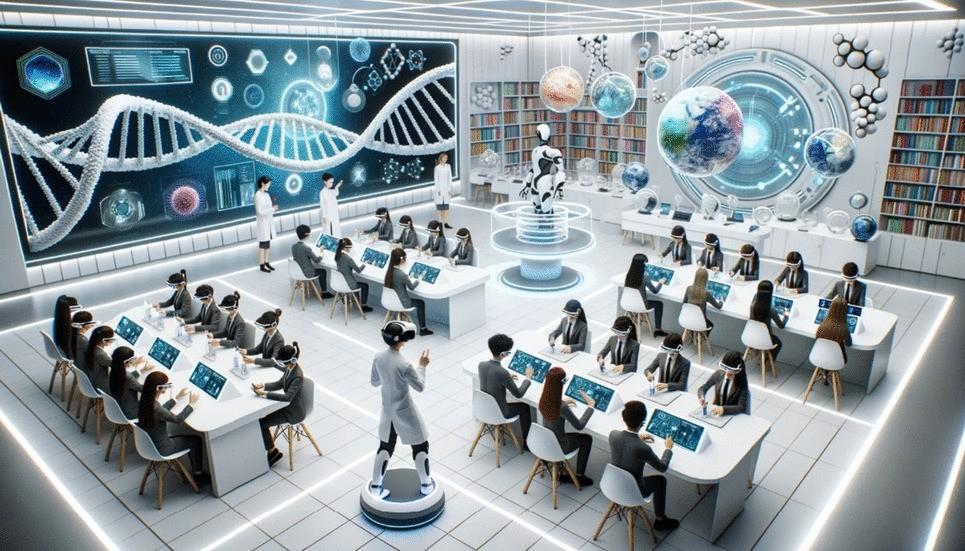
How EdTech is Revolutionizing Environmental Education: Innovative Tools at the Intersection of Technology and Sustainability
The intersection of education technology (EdTech) and environmental education is rapidly transforming how we learn about sustainability.Today’s digital learners crave engaging, interactive experiences, and EdTech is providing just that—by making environmental concepts accessible, motivating, and actionable. In this extensive guide, we’ll explore how EdTech tools are revolutionizing environmental education, discuss practical benefits, examine real-world case studies, and provide tips for implementing these innovative approaches in schools and beyond.
Understanding the Importance of Environmental Education
environmental education plays a pivotal role in shaping responsible global citizens. It equips learners with the knowledge and skills to tackle pressing challenges like climate change,biodiversity loss,and sustainable resource management. However, traditional classroom methods ofen fall short in conveying the urgency and interconnectedness of these issues. That’s where EdTech steps in—making sustainability learning more dynamic, data-driven, and impactful.
What is EdTech? The Bridge Between Technology and Education
EdTech, short for “education technology,” refers to the use of digital tools and resources—like e-learning platforms, apps, virtual reality (VR), and artificial intelligence (AI)—to enhance teaching and learning. When applied thoughtfully, EdTech can break down geographical barriers, personalize learning, and offer immersive, real-world experiences to students of all ages.
Innovative EdTech Tools Shaping Environmental Education
A new generation of EdTech solutions is making environmental education more relevant and interactive than ever. Here are some of the most effective tools at the intersection of technology and sustainability:
- Interactive E-Learning Platforms: Platforms like TED-Ed, National Geographic Education, and Khan Academy offer rich video lessons, simulations, and quizzes on environmental topics.
- Virtual Reality (VR) Experiences: Tools like Google Expeditions allow students to “visit” rainforests, coral reefs, and arctic regions, deepening understanding through immersive learning.
- Gamification: Apps like Mission 1.5 and Climate Game use challenges,leaderboards,and rewards to encourage eco-friendly behaviors and critical thinking.
- Real-Time Data & Citizen Science Platforms: Platforms such as GLOBE Program and iNaturalist empower students to collect and analyze environmental data, contributing to global research.
- Mobile Learning Apps: Apps like Seek by iNaturalist help users identify plants and animals in their local environment,promoting hands-on learning and biodiversity awareness.
How These Tools Engage Today’s Learners
EdTech leverages interactivity, personalization, and real-time feedback—three ingredients that are especially effective for teaching complex environmental concepts. Students can visualize climate models, simulate pollution scenarios, and participate in collaborative projects with peers around the world. These tools not only make learning engaging, but also foster critical thinking and problem-solving.
Key Benefits of EdTech in Environmental Education
- Enhanced Engagement: Interactive lessons and gamified experiences keep students motivated and eager to learn.
- Global Collaboration: EdTech enables classrooms from different cultures to share ideas and solutions for sustainability challenges.
- Personalized Learning: AI-driven platforms adapt content to each learner’s pace and interests, making lessons more impactful.
- Data-Driven insights: Access to real-time environmental data empowers students to make evidence-based conclusions.
- Scalability and Accessibility: Online resources and mobile apps bring environmental education to remote and underserved communities.
case Studies: EdTech Making a Real Difference in Sustainability Education
1. The GLOBE Program: connecting Students with Science
The GLOBE Program, sponsored by NASA, involves students and teachers from over 120 countries in hands-on data collection about Earth’s systems. Using digital tools, participants observe, record, and analyze environmental data—from atmospheric conditions to soil quality—wich is then shared globally. the result? Students gain practical science skills and firsthand insight into the impacts of climate change.
2. VR Expeditions by Google: Immersive Learning in Conservation
Several schools have piloted Google Expeditions to transport students virtually to endangered habitats. Teachers have reported higher engagement and empathy as students “walk through” deforested areas or swim alongside marine life. This kind of immersion deepens the emotional connection to conservation issues.
3.Eco Schools and eTwinning: Digital twinning for Sustainability
Programs like Eco Schools and eTwinning use online platforms to link schools working on sustainability projects. participants collaborate on real-world solutions,share best practices,and launch local eco-initiatives—from recycling programs to energy-saving campaigns.
First-Hand Experience: A Teacher’s Perspective
“When my 7th graders used a weather sensor kit connected to an online dashboard, they were amazed to see our local data compared with schools in Africa and Asia. Suddenly, climate was personal and global. They felt empowered—and motivated to brainstorm solutions for our community.”
– Mrs. Clara Jennings,science Teacher,New Hampshire
Practical Tips for Integrating EdTech in Environmental Education
- Start Small: Begin with simple online lessons or apps that complement your current curriculum before expanding to more advanced platforms.
- Seek Student Input: invite learners to help choose topics or tools—they know what motivates them best!
- Combine Offline and Online Activities: Use digital tools to prepare, reinforce, or reflect on local, hands-on environmental projects.
- Stay Updated: Educational technology evolves quickly. Follow trusted EdTech and sustainability blogs to keep your resources fresh and relevant.
- Promote Digital Citizenship: Teach best practices for online collaboration, research, and data sharing.
The Future: EdTech, AI, and Sustainability
The future of EdTech in environmental education holds unprecedented potential. AI-powered simulations, machine learning for climate prediction, and blockchain for tracking sustainable actions are just a few areas on the horizon. As technology continues to evolve, educators and students will have ever more powerful tools to foster a sustainable, ecologically responsible world.
Conclusion: Cultivating the Next Generation of Environmental Stewards
Education technology is quickly becoming a game-changer for sustainability education. By leveraging EdTech’s innovative capabilities, we can empower learners not only to understand environmental challenges but to imagine—and implement—solutions. Whether you’re a teacher, student, or parent, now is the ideal time to embrace these digital tools at the intersection of technology and sustainability. Together, we can cultivate a new generation of environmentally conscious leaders equipped to protect our planet.
Start your EdTech journey today: Explore the tools mentioned above and inspire change in your classroom or community!