
How EdTech is Revolutionizing Environmental Education: Key Benefits and Trends
Introduction
As our planet faces unprecedented environmental challenges, the need for effective environmental education has never been more urgent. Enter EdTech—a transformative force in the world of learning. By integrating technology into environmental education, EdTech solutions are bridging gaps, breaking down barriers, and inspiring action among students, educators, and communities worldwide.
In this article, we explore how EdTech is revolutionizing environmental education by examining its key benefits, current trends, and impactful tools. Weather you’re an educator, a student, or an environmental enthusiast, understanding these developments will help you harness the power of technology for sustainability and a greener future.
Why Environmental education Needs EdTech
Traditional environmental education methods—think textbooks, lectures, and field trips—often fail to keep pace with emerging ecological issues and technological advancements. EdTech in environmental education not onyl modernizes the learning experience but also expands access to up-to-date information and interactive experiences worldwide.
- Global Reach: Access to resources anywhere, anytime
- Engagement: Interactive, gamified, and immersive learning methods
- Real-Time Updates: Immediate inclusion of new research and policy changes
- Inclusivity: Personalized learning for diverse groups and learners with different needs
Key Benefits of EdTech in Environmental Education
Digital technology is rapidly becoming indispensable in eco-education. Here are the primary benefits of integrating EdTech into environmental learning:
1. Immersive Learning Experiences
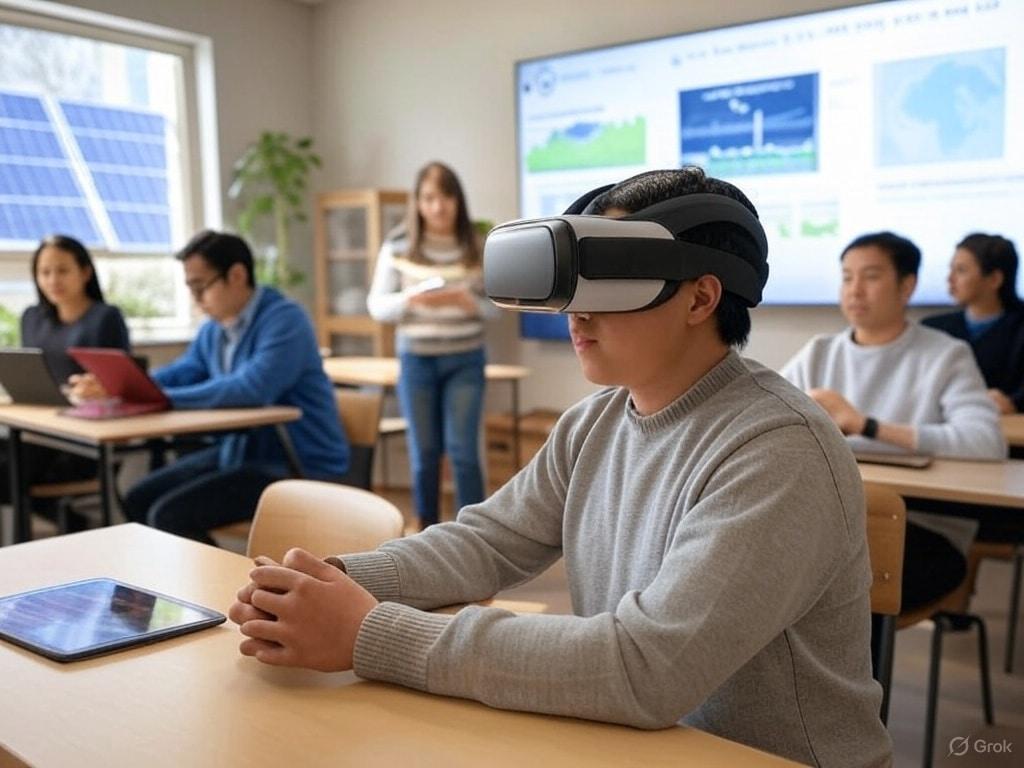
Tools like virtual reality (VR) and augmented reality (AR) transport students to environments such as the Amazon rainforest, coral reefs, or polar ice caps—all from the classroom. These immersive experiences enhance understanding of complex ecosystems and emphasize the real impacts of environmental issues.
2. Interactive and Gamified Content
Gamification—using game design elements in non-game contexts—makes learning about sustainability fun and memorable. Interactive apps and simulations help students make connections between individual actions and global consequences, promoting proactive, eco-friendly behavior.
3. Real-Time Data and Citizen Science
EdTech platforms increasingly enable students to collect, share, and analyze real-world environmental data in real time.This fosters a deeper understanding of concepts such as climate change, pollution, and biodiversity while engaging learners directly in scientific research.
4. Personalized and Adaptive Learning
AI-driven edtech tools can tailor content to individual learners, adjusting the pace, complexity, and format to maximize understanding and retention—making complex topics accessible to a wider audience.
5. Accessibility and Inclusion
Technology removes geographic and socioeconomic barriers,opening the door to quality environmental education for students in remote or underserved areas and those with disabilities.
Emerging EdTech Trends in Environmental Education
As EdTech evolves,so do the possibilities for teaching and learning about the environment. Here are some of the most exciting trends:
- AI and Machine Learning: Automated assessments, predictive analytics, and personalized pathways for eco-education.
- Mobile Learning: Environmental apps and mobile courses bring sustainability to learners’ fingertips—anywhere, anytime.
- Open Educational Resources (OERs): Free, shareable materials and platforms democratize access to quality content.
- Collaborative Platforms: Online forums, networks, and shared projects connect students, educators, and scientists globally for joint environmental action.
- Remote and Hybrid Learning: After the pandemic boom, remote education remains a powerful mode for global, environmental learning, field data gathering, and citizen science initiatives.
Practical Tips: Implementing EdTech in Environmental Education
Ready to integrate EdTech into your environmental education efforts? Here’s how to get started:
- Choose the Right Tools: Research digital platforms and apps tailored to environmental science and sustainability. Look for interactive simulations, VR experiences, and citizen science projects.
- Blend Digital and Outdoor Learning: Combine online learning with real-world eco-projects. Such as, use mobile apps to identify local plants or track pollution levels.
- Encourage Collaboration: utilize forums and video conferencing for joint projects with schools worldwide, sharing data and ideas on climate challenges.
- Stay Updated: The world of EdTech is dynamic. Follow top EdTech websites and environmental organizations for the latest features, updates, and best practices.
- Measure Impact: Use data analytics to track student engagement, knowledge gains, and changes in eco-friendly behavior.
Case Studies: EdTech Making an Impact
Real-world success stories illustrate EdTech’s transformative role in environmental education:
Eco-Schools Program (Global)
By integrating mobile apps and an online dashboard, Eco-Schools helps students monitor their environmental footprint and initiate school-wide sustainability projects, fostering measurable behavior change in over 70 countries.
Earth School (UN Environment Program & Ted-Ed)
In response to global school shutdowns, Earth School launched 30 interactive, online quests to teach students about the natural world. Using video lessons, quizzes, and interactive resources, it engaged millions of young learners in pressing ecological issues.
iNaturalist (Citizen Science Platform)
This app empowers citizen scientists to document and share biodiversity observations worldwide, directly contributing to global scientific research while enhancing nature literacy.
First-Hand Experience: Educator’s Perspective
“After introducing VR-based ocean acidification simulations in my classroom, I saw my students’ understanding—and empathy—skyrocket. They were able to ‘see’ the damage caused by pollution, sparking lively debates and new eco-projects in our school.”
– Sarah K., environmental Science Teacher
Conclusion
Environmental challenges demand informed and empowered solutions. EdTech is revolutionizing environmental education by making learning more accessible, interactive, and engaging than ever before. From VR explorations to real-time citizen science, the fusion of education technology and eco-awareness is shaping a generation of proactive, responsible global citizens.
Whether you’re a teacher, school leader, parent, or student, embracing EdTech for environmental education is a vital step toward a enduring future. Stay curious, stay connected, and leverage technology to spark real change for our planet!