
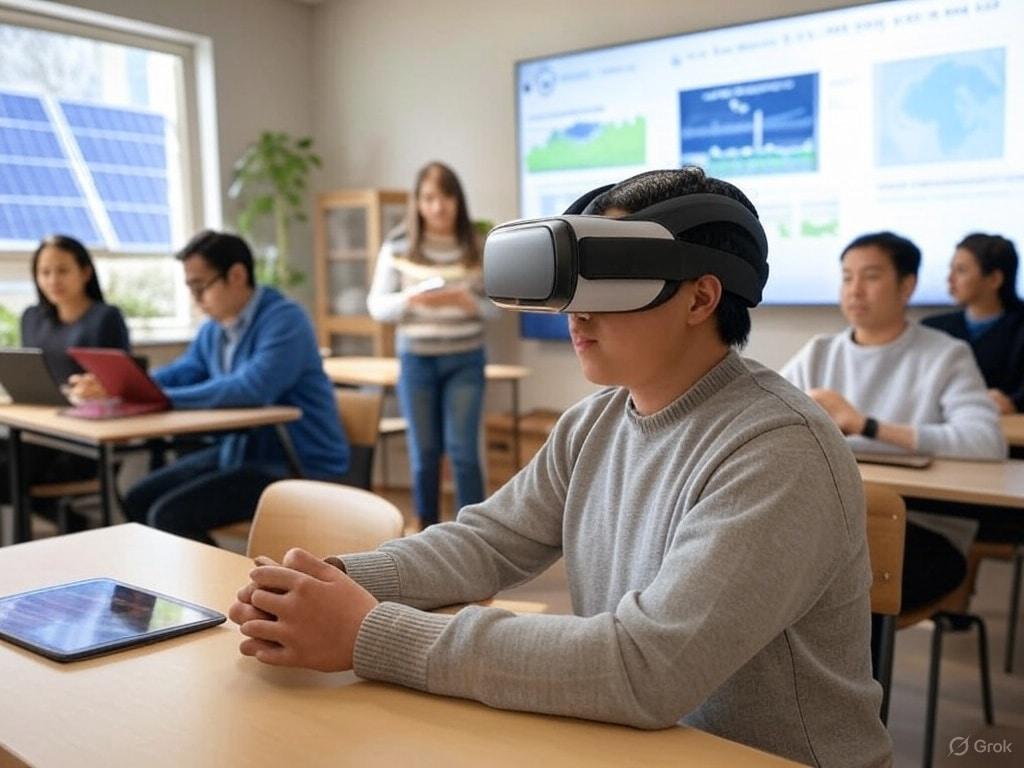
How edtech is Revolutionizing Environmental Education: The Power of Digital learning for a Greener Future
Introduction
in a world facing escalating environmental challenges,education is key in fostering sustainability and driving positive change. EdTech—or Educational Technology—is emerging as a transformative force in environmental education.The integration of digital learning tools, platforms, and resources not only boosts engagement and access but also empowers learners of all backgrounds to become active stewards of our planet. This article explores how EdTech is reshaping environmental education,offering practical benefits,real-world examples,and actionable insights for a greener future.
The Role of EdTech in Environmental Education
EdTech leverages technology to enhance the educational experience. From immersive simulations to AI-driven assessments, digital learning platforms are transforming how environmental concepts are taught, understood, and acted upon.
- Interactive Platforms: Digital classrooms allow students to engage with real-world issues—such as climate change, biodiversity, and sustainability—through interactive content.
- Global Access: EdTech breaks physical barriers,providing equal opportunities for learners in remote areas or underserved communities to access up-to-date environmental education resources.
- Data-Driven Insights: Technology enables teachers and educators to measure learning progress and adapt content, making education more personalized and effective.
- Real-World Applications: Simulations, virtual labs, and gamified learning help students apply complex environmental concepts to real-life scenarios.
Benefits of Digital Learning for a Greener Future
The adoption of digital learning in environmental education brings notable advantages, driving both individual growth and broader societal impact:
- scalability and Cost-Effectiveness
- Online courses and resources can reach thousands without the need for printing or physical travel, reducing environmental footprints.
- Engagement through Multimedia
- videos, podcasts, interactive quizzes, and augmented reality experiences make learning about sustainability both fun and memorable.
- Encouraging collaboration
- EdTech platforms allow students from around the world to collaborate on eco-projects, exchange ideas, and build global solutions.
- Real-Time Updates
- As environmental science evolves,digital content can be updated instantly,ensuring learners are always accessing the latest details.
- Support for Different Learning Styles
- Visual, auditory, and kinesthetic learners can all benefit from a range of EdTech tools tailored to their preferences.
Case Studies: EdTech in Environmental Education
Several pioneering projects and platforms demonstrate how technology is making a tangible difference in environmental learning:
Earth School by TED-Ed & UNEP
Earth School offers a free, interactive curriculum for students worldwide. Developed in response to COVID-19, Earth School uses videos, quizzes, and hands-on activities to teach sustainability, climate action, and nature’s interconnectedness—demonstrating EdTech’s global reach.
Project Explorer
Project Explorer delivers free virtual field trips, bringing students to places like rainforests, coral reefs, and green tech factories. Through immersive learning, students witness the impacts of human behavior on ecosystems, fostering empathy and a sense of responsibility.
arcgis StoryMaps
GIS technology is invaluable in environmental science education. ArcGIS StoryMaps lets students create and share interactive stories using maps, data, and multimedia content, encouraging analytical thinking and geographic awareness.
National Geographic Learning Platforms
National Geographic’s suite of digital resources empowers educators and students with current, visually-rich materials on biodiversity, conservation, and eco-innovation. Interactive missions and citizen science projects connect learners with real-world issues and solutions.
First-Hand Experience: Voices from Educators and Learners
“integrating digital simulations on renewable energy helped my students visualize the impact of their choices. Engagement soared, and students felt empowered to make a difference.”
— Andrea, High School Science Teacher
”Through virtual eco-challenges, I connected with peers across the globe. It made me realize that environmental action is a shared journey.”
— Sameer, University Student
practical Tips: Maximizing EdTech for sustainable Learning
Incorporating EdTech into environmental education doesn’t have to be overwhelming. Here are practical tips for educators, institutions, and learners:
- Start Small: Begin with free or low-cost resources such as Open Educational Resources (OER) and virtual simulations.
- Blend Experiences: Combine online learning with hands-on eco-projects in your home, school, or community.
- Utilize Gamification: Introduce eco-themed games that teach environmental concepts in a fun, competitive format.
- Facilitate Discussions: Use online forums or chat tools to host debates and collaborative problem-solving sessions.
- Promote digital Citizenship: Teach digital literacy skills and responsible internet use while exploring environmental topics.
- Measure and Reflect: Leverage data-tracking tools to monitor progress and celebrate achievements, both individual and collective.
Challenges and Considerations in the digital Shift
While EdTech in environmental education offers many advantages, it is not without hurdles:
- Digital Divide: Not all regions have equal access to reliable internet and technology. Bridging this gap is crucial for true global impact.
- Content Quality and Relevance: Ensuring that materials are accurate, unbiased, and culturally responsive remains essential.
- Teacher Training: Educators need ongoing professional progress to utilize EdTech effectively and creatively.
- Screen Time Balance: Encouraging mindful technology use and integrating offline activities are critically important for holistic learning.
By proactively addressing these challenges, schools, organizations, and governments can maximize the benefits of digital learning for environmental education.
Conclusion: empowering Changemakers for a sustainable Tomorrow
EdTech is revolutionizing environmental education, democratizing access, deepening understanding, and inspiring action worldwide. By harnessing the power of digital learning, we can nurture a generation of informed, proactive changemakers equipped to tackle environmental issues and build a brighter, greener future.
The time for educators, learners, and technology innovators to join hands is now.whether in the classroom, at home, or online, let us embrace the possibilities of EdTech and rally together for a sustainable, thriving planet.