
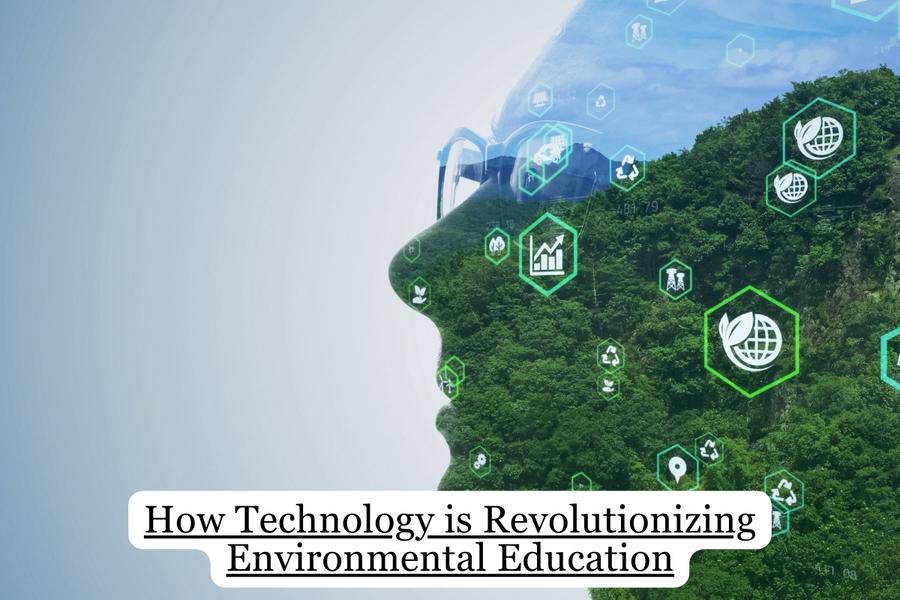
How EdTech is Transforming Environmental Education: Innovative Solutions for a Greener future
In a rapidly changing world, the need for complete environmental education has never been greater. Climate change, biodiversity loss, and pollution are urgent issues that require informed action. Fortunately, EdTech, or educational technology, is stepping in as a powerful catalyst for change. by leveraging digital platforms, virtual reality, gamification, and data-driven tools, EdTech is making environmental education more accessible, engaging, and impactful than ever before. In this article,we’ll explore how EdTech is revolutionizing sustainability education and empowering learners of all ages to create a brighter,greener future.
Why Environmental Education Matters in the 21st Century
Environmental challenges are global and complex, often interconnected with issues of health, equity, and economic stability. High-quality environmental education can:
- promote critical thinking and problem-solving skills
- Encourage responsible behaviors and sustainable lifestyles
- Empower students to participate in civic action and environmental advocacy
- Foster a sense of stewardship for the planet
However, traditional teaching methods struggle to keep pace with fast-evolving environmental science, lack interactivity, and often fail to engage digital-native students. That’s where EdTech solutions step in.
Key EdTech Innovations transforming Environmental Education
The rise of EdTech has introduced a wealth of innovative tools that are transforming how environmental concepts are taught and learned.Here are some of the most notable developments:
1. Virtual and Augmented Reality Experiences
- Virtual field trips: Platforms like Discovery Education allow students to explore rainforests, coral reefs, and arctic landscapes from their classrooms or homes.
- AR-enhanced lessons: Augmented reality tools overlay real-time data—like air quality readings—on a student’s surroundings, making abstract concepts tangible.
2. Interactive Simulations and Gamification
- Serious games: Games such as Mission 1.5 task players with making policy decisions to reduce carbon emissions, demonstrating real-world trade-offs.
- Eco-challenges: Apps encourage students to track and reduce their ecological impact and compete in sustainability challenges with peers globally.
3. Accessible E-Learning Platforms
- Adaptive learning modules: Online curriculums adjust content and difficulty based on individual progress, ensuring every learner stays engaged.
- moocs and blended learning: Massive Open Online Courses on platforms like Coursera reach worldwide audiences, promoting sustainability literacy beyond traditional classrooms.
4. Real-Time data Visualization and Citizen Science
- Data dashboards: Dynamic tools make it easy for students to analyze live environmental data (like deforestation rates or water quality trends).
- Citizen science apps: Initiatives like iNaturalist engage students in documenting biodiversity, directly contributing to scientific research.
Noteworthy Case Studies: EdTech in Action
The impact of EdTech on environmental education is already visible in many prosperous programs around the globe. Here are a few standout examples:
- Eco-Schools International: By incorporating gamified dashboards and mobile apps, this global program helps over 59,000 schools track eco-friendly initiatives, measure progress, and celebrate achievements.
- WWF’s Wild Classroom: Offers downloadable lesson plans, interactive videos, and AR content to help students understand wildlife conservation and ecosystem services.
- Google Earth Engine: Enables students and researchers to visualize and analyze massive datasets on forest cover changes, urban expansion, and water resources, fostering data literacy and environmental awareness.
Benefits of EdTech-Driven Environmental Education
Integrating EdTech into environmental education brings a host of advantages:
- Personalized learning paths: Adaptive algorithms ensure that every student’s unique interests and abilities are taken into account.
- increased engagement: Gamification and interactivity make learning memorable, fun, and meaningful.
- Scalable impact: Online platforms reach far beyond classroom walls, educating students worldwide and promoting global citizenship.
- Practical skill development: Hands-on projects, data analysis, and real-world problem solving prepare students for green jobs and responsible leadership.
- Promotion of critical and systems thinking: Students learn to connect local and global issues, fostering the ability to address complex environmental challenges.
First-Hand Insights: Teacher and Student Perspectives
“Using virtual reality, my students walked through the amazon rainforest and saw the impact of deforestation first-hand. The experience sparked deep discussions and motivated my class to start a tree-planting campaign!”
— Emily R., Middle School Science Teacher
“I used a gamified energy-saving challenge app at home and reduced our family’s electricity consumption by 15% in two months. Learning felt like play!”
— Aisha M., High School Student
Practical Tips for Integrating EdTech in Environmental Learning
Ready to bring EdTech into yoru environmental education initiatives? Here are actionable steps to get started:
- Assess your needs: Identify curriculum gaps where digital tools could enhance understanding or engagement.
- Start small: Pilot a few apps or platforms with one class or grade level before scaling up.
- Leverage open resources: Tap into free or low-cost platforms such as TED-Ed, National Geographic education, or NASA’s Earth Science modules.
- Foster collaboration: Encourage students to work together in digital citizen science projects or international eco-challenges.
- Seek feedback: Regularly collect input from students and colleagues to refine your EdTech adoption strategy.
Challenges and Future Opportunities
While EdTech is a game-changer, there are still hurdles to overcome:
- Digital divide: access to devices and internet can limit participation for some learners.
- Content accuracy: It’s vital to vet digital resources for scientific reliability and pedagogical soundness.
- Teacher training: professional development and support are key to effective integration.
looking ahead, advances in AI, machine learning, and immersive technologies will open new doors for personalized, real-time, and globally connected environmental education. Building a greener future will rely on bold investments in both EdTech infrastructure and teacher capacity-building.
Conclusion: EdTech Paves the Way for a Greener Future
The integration of EdTech in environmental education is transforming the way we teach, learn, and act for the planet. By making sustainability education more accessible, immersive, and meaningful, educational technology empowers today’s learners to drive positive change and innovate for a more sustainable world. As we embrace cutting-edge tools and creative teaching strategies, educators, students, and communities can work together to ensure a thriving, greener future for all.
Ready to join the movement? Start exploring EdTech solutions for environmental education and inspire your learners to become eco-champions today!