
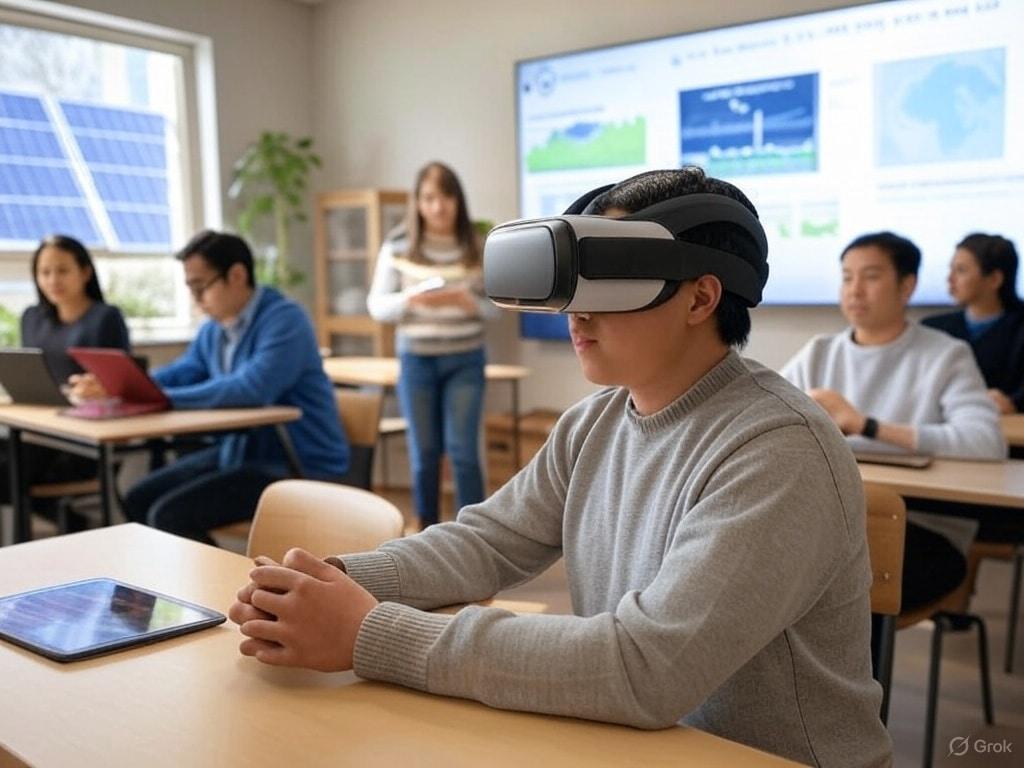
How EdTech is Transforming Environmental Education: Innovative Tools at the Intersection of Learning and Sustainability
In a rapidly changing world,environmental education has never been more crucial. As our planet faces new climate challenges, empowering the next generation with the knowledge and tools to foster sustainability is paramount. Fortunately, Educational Technology—or EdTech—is making waves in the realm of environmental learning. Through innovative platforms, immersive experiences, and interactive content, EdTech is not only making environmental lessons more engaging but also helping learners develop actionable skills for real-world impact. In this article, we’ll explore how EdTech is transforming environmental education, highlight innovative tools at the intersection of learning and sustainability, and share practical insights for educators and institutions alike.
The Role of EdTech in environmental Education
environmental education goes far beyond memorizing facts about ecosystems.it cultivates critical thinking and inspires personal responsibility towards the environment. Here, EdTech bridges the gap between theoretical knowledge and actionable skills by providing:
- access to global information and resources for teachers and students.
- Interactive simulations to model real-world environmental systems.
- Personalized learning paths that adapt to different ages and levels.
- Collaboration opportunities with peers worldwide through digital platforms.
- Data analysis tools enabling students to visualize and interpret environmental trends.
By integrating these digital resources into curricula, educators are redefining how students experience, understand, and contribute to a more sustainable future.
Innovative Tools at the Intersection of Learning and Sustainability
The EdTech market is teeming with platforms and tools designed specifically for environmental education. Here are some groundbreaking examples making a real difference:
1. Virtual and Augmented Reality (VR/AR)
VR and AR technologies immerse students in realistic environments, from rainforests to coral reefs, enabling hands-on learning without leaving the classroom. Apps like Google Expeditions and EcoVR allow users to explore ecosystems, witness the effects of pollution, and understand biodiversity loss in interactive ways.
2. GIS and Mapping Software
Tools such as ArcGIS Online and Google Earth give students access to powerful geographic data. Learners can analyze patterns of deforestation, urban sprawl, or climate change, enhancing their critical thinking and spatial analysis skills.
3. Online Learning Platforms and MOOCs
Platforms like Coursera, edX, and Khan Academy offer extensive courses on environmental science, climate change, and sustainability practices. These resources are accessible worldwide,democratizing education and allowing for on-demand,self-paced learning.
4. Interactive Simulations and Game-Based Learning
EdTech is leveraging gamification to make environmental education captivating. Platforms such as EcoMUVE and Mission 1.5 put students in the role of environmental decision-makers,simulating real-world scenarios like ecosystem management or designing climate policies.
5. Citizen Science and Real-World Data Projects
Through initiatives like iNaturalist, Globe Observer, and other citizen science apps, students can collect and analyze environmental data, participate in global research projects, and see the direct impact of their work on genuine scientific discoveries.
Benefits of Integrating EdTech in Environmental Learning
Blending EdTech with sustainability education yields important advantages for both educators and students:
- Increased Engagement: Interactive lessons, gamification, and immersive experiences make learning appealing and memorable.
- Real-World Submission: Simulations and data projects offer hands-on practice in addressing environmental challenges.
- Developing 21st-century skills: Students gain critical thinking, collaboration, digital literacy, and problem-solving skills.
- Scalability and Accessibility: Online resources break down geographic and socioeconomic barriers in education delivery.
- Immediate Feedback: AI-driven assessment tools provide real-time feedback, supporting personalized learning journeys.
Case Studies: Success Stories from Around the Globe
Case Study 1: WWF’s Wild classroom, Global
WWF’s Wild Classroom platform offers free sustainability lesson plans and interactive digital activities. Used by schools worldwide, it empowers students to become advocates for wildlife protection and environmental stewardship through virtual field trips and e-learning modules.
Case Study 2: The Globe Program, USA & International
The GLOBE Program is a worldwide science and education network supported by NASA.Through EdTech-enabled data collection and cloud-based analysis, students collaborate with scientists in tracking environmental changes and contributing quality data to global databases.
Case Study 3: UN Environment Program’s Tide Turner Challenge, Africa & South Asia
This innovative program leverages mobile apps and online portals to teach youth about plastic pollution. Participants complete digital tasks, share findings, and adopt sustainable habits—winning badges and recognition for their environmental actions.
Practical Tips: How to Integrate EdTech into Environmental Education
- Start Small: Introduce one digital tool or platform at a time to gauge student interest and ease of integration.
- Encourage Collaboration: Use online forums, virtual project teams, or cross-school initiatives to build teamwork and global awareness.
- Connect to Local Contexts: Tailor edtech activities to address local environmental issues, making learning directly relevant.
- Foster Critical Thinking: Challenge students with real-world environmental problems where solutions aren’t always straightforward.
- Prioritize Accessibility: Ensure chosen technologies work across devices and bandwidth levels to accommodate all learners.
- Ongoing Assessment: Use EdTech’s analytics and assessment tools to track progress and adapt lessons accordingly.
First-Hand experience: EdTech in Action
“This year, our science class piloted a GIS mapping module. Students used satellite data to track local water pollution sources and presented their findings to community leaders. EdTech made abstract data tangible and inspired genuine civic engagement.”
— Science Teacher, Ontario, Canada
Conclusion: The Future of Environmental Education Lies in EdTech
The intersection of EdTech and environmental education is a powerful catalyst for change. By harnessing the latest digital learning tools, educators can inspire curiosity, foster stewardship, and equip learners with the skills necessary for a sustainable tomorrow. Whether it’s through virtual ecosystems,real-time data analytics,or global collaborative platforms,educational technology allows us all—students,teachers,and lifelong learners—to better understand and protect our planet.
If you’re passionate about empowering future generations and shaping a greener world, now is the perfect time to explore the countless possibilities EdTech has to offer in environmental education. Let’s build a future where digital learning and sustainability go hand in hand!