
How Educational Institutions Are Implementing Blockchain: Transforming Learning and Security
Blockchain technology is no longer confined to cryptocurrencies and finance.In recent years, educational institutions worldwide have started experimenting with and implementing blockchain to transform learning processes and strengthen security. as digital education evolves rapidly, leveraging blockchain offers robust solutions to longstanding challenges around data authentication, credential verification, student records management, and academic transparency. This article explores how educational institutions are integrating blockchain into their operations, the advantages it brings, inspiring case studies, and practical steps for successful adoption.
What is Blockchain and Why Is It Relevant to Education?
At it’s core, blockchain is a distributed digital ledger that records transactions in a secure, transparent, and immutable way. Each transaction (or “block”) is linked to the previous one, making data tampering virtually impractical. In the context of education, blockchain can:
- Digitally verify academic credentials, certificates, and transcripts.
- Enhance data privacy and reduce risks of fraud.
- Empower lifelong learners with ownership and control of their educational records.
- Streamline administrative processes within institutions.
How Blockchain is Transforming Learning in Educational Institutions
implementing blockchain in education paves the way for a decentralized, transparent, and trustless system that enhances both learning experiences and institutional efficiency. Here’s how blockchain technology is changing the education landscape:
1. Secure and Verifiable Academic Credentials
- Digital Diplomas and Transcripts: Blockchain allows educational institutions to issue digital certificates stored in a tamper-proof ledger, eliminating the risks of forgery and loss.
- Easy Verification: Employers, other institutions, and students themselves can instantly verify credentials without redundant paperwork or waiting periods.
2. Enhanced student Data Security
- Blockchain’s encryption protocols protect personal and academic data from unauthorized access.
- Students have direct access and control over their educational records, deciding who can access their data.
3. Facilitating Micro-Credentials and Lifelong Learning
- blockchain supports the issuance and management of micro-credentials, digital badges, and short-term course completions.
- Learners accumulate an immutable, portable, and universally recognizable portfolio of achievements—facilitating employment and further education opportunities.
4. Streamlining Administrative Processes
- Automation of admissions, credit transfers, and course registrations through smart contracts.
- Reducing administrative costs, human errors, and inefficiencies.
the Benefits of Blockchain Implementation in Education
By integrating blockchain technology, educational institutions unlock numerous advantages:
- Transparency and Trust: Records are open to authorized parties and immune to alteration, strengthening credibility.
- Fraud Prevention: Credential fraud is practically eliminated, safeguarding institutional reputation and student achievements.
- Data Privacy: Students retain sovereignty over their data, addressing growing concerns over privacy and misuse.
- Streamlined Recognition: Cross-border recognition of credentials becomes seamless, helping international students and academic mobility.
- Cost Reductions: Automation means less paperwork, faster processes, and reduced resource consumption.
real-World Case Studies: Blockchain in Action
Many pioneering universities and organizations have already embarked on their blockchain journey. Here are a few noteworthy case studies demonstrating the practical impact of blockchain in education:
MIT: Blockchain-Based Digital diplomas
The Massachusetts Institute of Technology (MIT) was among the first globally to issue blockchain-based diplomas. Through its “Blockcerts” initiative,graduates receive digital certificates verifiable by employers anywhere in the world. This initiative has reduced diploma fraud and streamlined the verification process.
University of Nicosia: Full Blockchain adoption
the University of Nicosia in Cyprus not only offers degree programs in blockchain technologies but also issues graduation certificates on its own blockchain platform. This extensive approach has built the institution’s reputation as a leader in educational innovation.
EU Joint Initiative: Europass
The European Commission’s updated Europass portfolio includes coordinated efforts to explore blockchain for cross-border digital credential verification, supporting millions of learners and workers in Europe to have their skills recognized easily across member states.
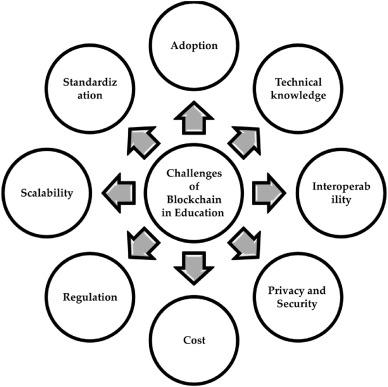
Challenges and Considerations When Implementing Blockchain in Education
Despite its significant potential, adopting blockchain technology in education comes with its own set of challenges:
- Technical Complexity: Developing, deploying, and maintaining blockchain systems requires expertise and investment.
- Standardization: Lack of common frameworks and standards for blockchain-based credentials can hinder widespread adoption.
- Integration with Existing Systems: Seamless integration with legacy administrative infrastructure can be complex and costly.
- Privacy & Compliance: Ensuring alignment with data protection regulations, such as GDPR, is essential when handling student data on blockchains.
Practical Steps for Educational Institutions to Implement Blockchain
Educational institutions considering blockchain adoption can follow these practical steps for a smooth transition:
- Define objectives: Clearly identify pain points blockchain can address, such as credential fraud or administrative inefficiencies.
- Start with a Pilot: Begin with a small-scale project (like digital diplomas) to test feasibility, gather feedback, and demonstrate value.
- Choose the Right Platform: Select a blockchain framework (public, private, or permissioned) that suits institutional requirements and compliance needs.
- Engage Stakeholders: Involve faculty, students, employers, and external partners to build support and ensure successful adoption.
- Scale Gradually: Expand blockchain applications across more processes or departments once initial projects succeed and lessons are learned.
- Stay Informed: Monitor developments in blockchain standards,interoperability protocols,and regulatory landscapes to stay adaptable.
Future Trends: Blockchain’s Expanding Role in Education
The future of blockchain in education looks promising. Emerging trends include:
- Decentralized Autonomous Education Platforms: Self-governed learning environments managed by smart contracts and peer consensus.
- Interoperability: enhanced cross-border collaboration, academic mobility, and stackable credentials recognized worldwide.
- Personalized Learning Pathways: adaptive,blockchain-backed learning profiles tailored to individual student goals and skills.
- Integration with AI & IoT: Combining blockchain with artificial intelligence and the Internet of Things for smarter, more responsive educational systems.
Conclusion: Blockchain’s Transformative Impact on Education
As more educational institutions adopt blockchain technology, the benefits for learning security, efficiency, and transparency are becoming undeniable. While the journey presents challenges, the transformative impact on how credentials are stored, shared, and trusted can reshape the global educational landscape.Institutions that embrace blockchain stand to become leaders in innovation—offering their learners unparalleled security, portability, and control over their educational journeys.
If yoru educational institution is contemplating a blockchain initiative, remember: start small, collaborate widely, and iterate with feedback. With thoughtful implementation, blockchain can truly revolutionize both learning and security in education.