
How Educational Institutions Are transforming Learning by Implementing Blockchain Technology
Blockchain technology is revolutionizing industries across the globe, and the education sector is no exception. From improving openness and security to streamlining administrative processes, educational institutions are leveraging blockchain to create a smarter, more efficient, and more secure learning environment. In this thorough guide, we’ll explore how blockchain technology is transforming learning experiences, real-world case studies, practical implementation tips, and the numerous benefits for students, teachers, and administrative staff.
Introduction: The Rise of Blockchain in Education
As the demand for online learning and digital credentialing continues to rise, educational institutions are searching for innovative solutions to meet the evolving needs of students and educators. Blockchain technology, most famously associated with cryptocurrencies like Bitcoin, is increasingly being adopted in higher education, K-12 schools, and universities for secure record-keeping, credential validation, and more.
in this article, we’ll dive deep into how blockchain is reshaping educational systems, address common questions, and provide insights into successful implementation.
What Is Blockchain Technology?
Before exploring its applications in education, let’s briefly define blockchain. Blockchain is a decentralized, distributed digital ledger that records transactions in a secure and immutable way. Each block in the chain contains data, a timestamp, and a link to the previous block, forming an unbreakable chain of records.
- Transparency: Data is visible to all authorized users.
- Security: Records can’t be altered retroactively.
- Decentralization: No single point of control or failure.
These core features are the reason educational institutions are investing in blockchain-powered solutions for management, curricular management, and student engagement.
How Blockchain Technology Is Transforming Learning
The integration of blockchain technology into educational institutions is creating waves of change by enhancing various facets of education, including:
- Academic Credentialing
- Student Record Management
- Digital certificates and Diplomas
- Intellectual Property Protection
- Smart Contracts for Course delivery
- Secure Online Assessments
Academic credentialing and Verification
One of blockchain’s most profound impacts on education is in academic credentialing. Institutions can issue digital diplomas and certificates on a blockchain, which ensures authenticity and eliminates the risk of fraudulent qualifications.Employers and other universities can instantly verify records.
Example: MIT issues digital diplomas to graduates on blockchain, offering verifiable, tamper-proof records.
Student Records and Data Management
keeping student records secure yet accessible has long been a challenge for schools and universities. Blockchain-based systems enable:
- Decentralized and tamper-proof record-keeping
- Easy transfer of credits between institutions
- Ownership of learning data by students
Students gain greater control over their personal data, with privacy protections baked in.
Intellectual Property Protection
Research and academic works are the backbone of educational growth. Blockchain helps safeguard intellectual property and enables educators and students to track usage or share work transparently.
Smart Contracts for Course Delivery
Smart contracts—self-executing contracts coded onto a blockchain—enable automated payments,student milestone tracking,and syllabus management. This streamlines administrative tasks and fosters trust among all parties.
Enhanced Security and Privacy
educational institutions are responsible for sensitive student information.Blockchain’s encrypted, decentralized framework ensures that records are protected from breaches and unauthorized changes.
Key Benefits of Blockchain in Education
- Fraud Prevention: Blockchain-verified credentials help combat fake degrees.
- Efficient Administrative Processes: Automated workflows reduce paperwork and manual errors.
- Lower costs: Streamlined systems eliminate intermediaries and lower operational costs.
- Greater Accessibility: Students can access their records from anywhere,anytime.
- Improved Transparency: Every change is tracked and visible to authorized parties.
“Blockchain makes the process of sharing educational credentials simpler, faster, and more secure. In a global and digital age, this is a necessity.”
— Dan Hughes,EdTech Researcher
Real-World Case Studies: Blockchain in Action
MIT’s Digital diplomas Initiative
Massachusetts Institute of Technology is at the forefront of blockchain adoption in education. In partnership with Learning Machine, MIT issues blockchain-based diplomas to graduates. These digital diplomas are secure, verifiable, and accessible from anywhere.
university of Nicosia—Blockchain pioneers
The University of Nicosia in Cyprus is the first university in the world to offer blockchain-based degree certificates. Students receive digital certificates registered on the Bitcoin blockchain, ensuring global recognition and instant verification.
Sony Global Education
Sony global Education has developed a blockchain-based platform for securely sharing and managing student achievement records. This platform promotes data interoperability between educational organizations and supports lifelong learning.
Success Stories: First-Hand Experience
“As an educator, the blockchain-based system made it incredibly easy for me to share course completion certificates with my students and employers. The process has reduced our administrative burden and improved trust.”
– Dr. Jane West, Higher Ed Instructor
“Managing student credits across partner universities used to be a logistical nightmare. Now, our blockchain-based registry simplifies the whole process.Students are happier, and we save hours each week.”
– Tom lin,Registrar,International Business School
Practical Tips for Implementing Blockchain in Educational Institutions
- Define Clear Objectives: Identify specific pain points and where blockchain offers the best solution.
- Choose the Right Blockchain Platform: Ethereum, Hyperledger, and custom solutions are available.Legal and compliance needs matter.
- Start with Pilot Projects: Test blockchain implementation with a limited rollout, such as issuing digital credentials.
- Invest in Security: Ensure robust encryption and user authentication.
- Educate Faculty and Staff: Offer training on blockchain’s use and benefits.
- Collaborate with Tech Partners: Work with established EdTech companies and blockchain solution providers.
- Monitor and Evaluate: Gather feedback, measure impact, and iterate regularly.
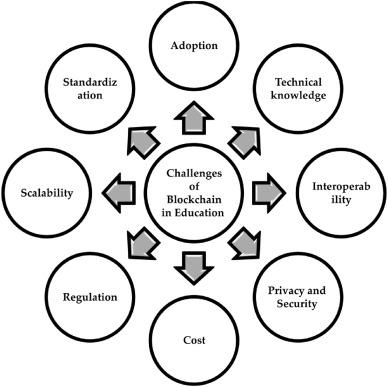
Challenges and Considerations
While blockchain offers tremendous promise,it’s important to be aware of common challenges:
- Technical Complexity: Implementation demands skilled IT teams.
- Regulatory Issues: Data privacy laws vary by region.
- Initial Costs: Setting up infrastructure is an investment.
- Adoption Resistance: Staff and stakeholder buy-in is critical.
Overcoming these challenges requires strong leadership, strategic planning, and investment in education and technology partnerships.
Conclusion: The future of Blockchain-Powered education
Blockchain technology is rapidly reshaping the educational landscape. With benefits ranging from greater security and verifiable credentials to streamlined record management, educational institutions embracing blockchain stand poised to deliver more trustworthy, accessible, and efficient learning experiences.
By adopting blockchain, schools and universities can prepare their students for a digital future, safeguard academic achievements, and empower lifelong learning.
If you’re eager to explore the possibilities, start small, get involved with pilot projects, and stay informed about the latest blockchain advancements in education.
Ready to unlock the power of blockchain in your institution? Share this guide with your team and start planning your transformation today!