
How educational institutions Can Implement Blockchain: A Step-by-Step Guide
in recent years, blockchain technology in education has rapidly moved from buzzword to real-world solution. Universities, colleges, and schools around the globe are embracing blockchain to enhance the security, transparency, and efficiency of academic operations. In this comprehensive guide, we’ll explore how educational institutions can implement blockchain—from understanding its benefits and use cases to a detailed, step-by-step roadmap for successful adoption.
what is Blockchain and Why is it Transforming Education?
Before diving into implementation, it’s essential to grasp what blockchain technology is and why it’s revolutionizing educational processes.
- Blockchain is a decentralized,distributed digital ledger. It records transactions across multiple nodes in a way that is transparent,immutable,and secure.
- For educational institutions, this means freedom from customary, siloed databases, paving the way for collaborative, tamper-proof record keeping.
- Popular blockchain use cases in education include digital credentialing, secure transcript sharing, intellectual property protection, and streamlining administration.
Benefits of Blockchain for Educational Institutions [With practical Tips]
The move to blockchain offers a host of advantages:
- Enhanced security: Data recorded on blockchain is encrypted and protected from unauthorized edits.
- Transparency: Every transaction is viewable and verifiable by authorized parties.
- Efficiency: Automated processes (through smart contracts) reduce administrative burdens.
- Student empowerment: Learners control their academic records, credentials, and can share them with employers or institutions easily.
- Cost savings: Reduces expenses in record verification, credential management, and administrative overhead.
practical tips for institutions:
- Start small—pilot blockchain for a single use case, such as degree verification.
- Educate staff and students about blockchain basics to build support and literacy.
- Partner with technology providers for expert guidance and support.
Step-by-Step Guide to Blockchain Implementation in Education
Ready to unlock the power of blockchain for your institution? Here’s a proven roadmap:
1. Define Your Blockchain Use Case
- Identify the pain points in your educational processes—are you looking to secure transcripts, simplify credential verification, or improve IP protection?
- Common use cases include:
- Issuing digital diplomas and certificates
- Student record management
- Intellectual property protection for research and publications
- Automating tuition and grant payments with smart contracts
2. research Suitable Blockchain Platforms
- Explore blockchain platforms tailored for educational use, such as Ethereum, Hyperledger Fabric, OpenCerts, and Blockcerts.
- Evaluate each platform’s security, scalability, ease of integration, and support for smart contracts.
- Consider whether a public, private, or consortium blockchain best fits your needs. Public blockchains offer transparency; private ones enable greater control.
3. Assemble an Implementation Team
- Bring together IT specialists,academic administrators,compliance officers,and (if possible) a blockchain consultant.
- Ensure diverse expertise so the solution meets both technical and academic requirements.
4. Develop a Pilot project
- Select a manageable project scope for your blockchain pilot—such as limited diploma issuance or faculty research tracking.
- Work with your tech team to design,develop,and deploy the blockchain solution for this purpose.
- Test rigorously: verify data integrity, user experience, and system interoperability with existing tools (e.g., student management systems).
5. Ensure Compliance and Data Privacy
- Blockchain solutions must comply with GDPR, FERPA, and other education data regulations.
- Implement permissioned access, encryption, and robust user authentication.
- Work with legal experts to craft clear data use and retention policies.
6. Train Stakeholders
- Offer hands-on workshops for staff, faculty, and administrative personnel.
- Create easy-to-follow guides for students on accessing and sharing their blockchain-based records.
7. Scale Deployment Institution-Wide
- Analyze pilot results and gather stakeholder feedback.
- Refine the blockchain processes and expand the rollout to other use cases, departments, or campuses.
- Continue to monitor system performance, user satisfaction, and compliance.
Real-World Case Studies: Blockchain in Education
- MIT: The Massachusetts Institute of Technology has implemented blockchain-issued digital diplomas via the Blockcerts platform, allowing alumni to share verifiable credentials instantly with prospective employers.
- University of Nicosia: Leading the adoption of blockchain for course completion certificates, leveraging transparency and easy student access.
- Sony Global Education: Developed a blockchain-based platform for securely sharing achievement and test data among multiple educational organizations.
These successful strategies underscore the real-world impact blockchain can deliver for academic institutions worldwide.
Firsthand Experience: Tips from Early Adopters
- Involve stakeholders early in the planning process to ensure buy-in and address misconceptions about blockchain.
- Document lessons learned at each stage, especially around data migration and integration with legacy systems.
- Don’t underestimate the importance of user experience—make accessing blockchain records simple for students and staff alike.
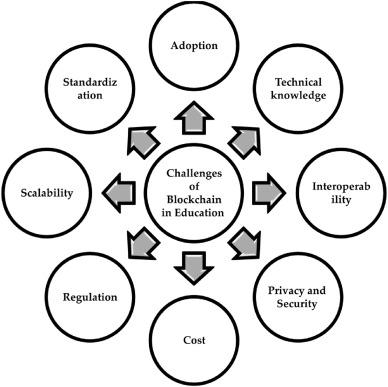
Common challenges and How to Overcome Them
- Data migration: Legacy records might potentially be in various formats—plan a structured migration and validation process.
- Interoperability: Ensure your blockchain solution works well with existing student management software.
- Regulatory concerns: Stay current on data privacy laws in your jurisdiction; collaborate with legal advisors.
- User resistance: Offer change-management resources and involve users continuously in the transition journey.
SEO Tips for Your Institution’s Blockchain Initiative Page
- Use relevant keywords throughout, like blockchain in education, blockchain implementation guide, digital credentials, and your institution’s name.
- Include meta titles and meta descriptions for each web page.
- Structure content using header tags (H1,H2,H3) and bullet points—search engines prefer well-organized content.
- Add internal links to other useful resources and case studies.
- use WordPress or custom CSS styling to improve readability and engagement metrics.
Conclusion: Paving the Way for Academic Innovation with Blockchain
the integration of blockchain technology in educational institutions is more than a trend—it’s a robust solution for authenticating academic achievements,improving operational efficiency,and empowering students. By following this step-by-step guide, your institution can confidently embark on its blockchain journey, pioneering transparency, security, and innovation. As global adoption grows, embracing blockchain today ensures your students and faculty remain ahead in tomorrow’s digital-first educational landscape.
Ready to explore how blockchain can transform your campus? Take the first step now—and join visionary institutions worldwide in redefining the future of education.