
How Educational Institutions Can Implement Blockchain: Key Benefits and Practical Steps
Introduction
In recent years, blockchain technology has rapidly gained traction across multiple sectors, including education. Educational institutions are increasingly exploring how blockchain can revolutionize recordkeeping, enhance security, reduce fraud, and streamline operations. Whether you’re a university administrator, faculty member, or education innovator, understanding how blockchain can be implemented in educational institutions is crucial for future-ready academic environments. This guide takes you through the key benefits of blockchain in education and offers practical steps for seamless integration.
Why Blockchain Matters for Educational Institutions
The education sector often grapples with challenges such as credential verification, academic data security, and administrative inefficiencies. Implementing blockchain technology in education can address these challenges head-on, transforming the way data is stored, shared, and trusted.
- Decentralized Recordkeeping: Eliminates single points of failure and reduces risk of tampering.
- Enhanced Transparency: All transactions are viewable, verifiable, and time-stamped, increasing trust.
- Efficient Verification: Degrees, certificates, and transcripts can be instantly validated by employers or other institutions.
- Cost Reduction: Automated processes decrease administrative workload and cut operational costs.
Key Benefits of Blockchain in Education
1. Secure Digital Credentials
Digital diplomas and transcripts stored on blockchain can prevent forgery and unauthorized manipulation. Students possess complete control over sharing their achievements with third parties.
2.Streamlined Admissions & Transfer Processes
Blockchain simplifies admissions by enabling instant, secure verification of credentials and credits.This greatly benefits students seeking transfers or credit recognition across institutions.
3. Transparent Funding and Grants Management
Educational institutions can leverage blockchain to track and manage scholarships, grants, and research funding, ensuring compliance and transparency.
4. Lifelong Learning Records
Institutions can provide students with a lifelong, immutable ledger of their learning achievements, including micro-credentials, online courses, and certifications.
5. Protection Against Certificate Fraud
Blockchain considerably reduces the risk of fake degrees, making verification easier for employers, licensing bodies, and other academic institutions.
6.improved Collaboration and Data Exchange
Sharing academic records across different educational bodies becomes secure and simple, fostering collaboration and student mobility.
7. Enhanced Student Privacy
Students have control over who can access their educational records,ensuring better compliance with privacy regulations like GDPR.
How to Implement Blockchain in Educational Institutions: Practical Steps
Step 1: Identify use Cases and Objectives
- Pinpoint areas were blockchain can add the moast value (e.g., credentials, admissions, financial aid).
- Align objectives with institutional goals such as improving efficiency or student trust.
Step 2: Form a Dedicated Implementation Team
- Bring together IT, academic, and administrative staff.
- Engage with blockchain experts or consultants as needed.
Step 3: Choose the Right Blockchain Platform
- Evaluate platforms like Ethereum, Hyperledger, or custom private blockchains.
- Consider factors: scalability, security, interoperability, and ease of use.
Step 4: Design and Develop Smart Contracts
- Automate validation, issuance, and sharing of academic records with smart contracts.
- Ensure contract logic accurately reflects institutional policies.
Step 5: Pilot the Blockchain Solution
- Start with a small-scale pilot, such as digital diplomas for a single graduating class.
- Test functionality, collect feedback, and refine the system.
Step 6: Integrate with Existing Systems
- Ensure seamless connectivity with student management systems and registries.
- Plan data migration and ensure compliance with data protection laws.
step 7: Educate Stakeholders and Students
- Offer training sessions and informational resources for staff and students.
- Establish support channels for troubleshooting and guidance.
Step 8: Scale and Optimize
- Gradually expand blockchain-based services to more processes or groups.
- Continually monitor performance, security, and user satisfaction.
Real-World Case Studies: Blockchain in Education
MIT: Blockchain-Based Digital Diplomas
The Massachusetts institute of Technology piloted Blockcerts, allowing graduates to receive digital diplomas via a blockchain app.These certificates are tamper-proof and instantly verifiable.
University of Nicosia: Full integration
The University of Nicosia issues academic certificates on blockchain, giving students permanent, secure access to their credentials without depending on the institution for verification.
Sony & IBM: Educational Platform Launch
Sony Global Education partnered with IBM to create a platform for securely sharing and managing educational data using blockchain, enabling schools to reduce administrative burdens and improve record accuracy.
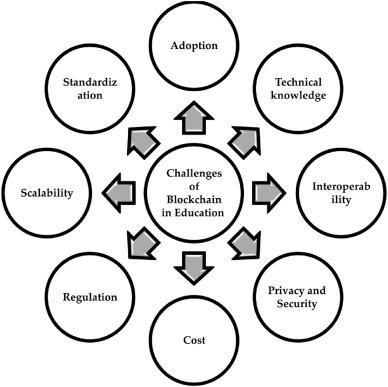
Challenges and Considerations
While blockchain brings numerous benefits to education, institutions must be mindful of potential challenges:
- Initial costs: Setting up blockchain infrastructure and training staff can be resource-intensive.
- Scalability: Large-scale implementation may face technical limitations; choose a platform that meets future needs.
- Regulatory Compliance: Ensure compliance with privacy regulations and standards for digital credentials.
- Stakeholder Buy-In: Successful adoption demands commitment from all levels—administrators, faculty, and students.
First-Hand Insights: A Testimonial
“implementing blockchain at our institution has dramatically reduced time spent on degree verification requests. Our graduates appreciate the convenience, and employers trust the authenticity of our records. The transition required careful planning and training,but the long-term benefits have been well worth it.”
— Registrar, Leading European University
Blockchain implementation Checklist for Educational Institutions
- Assess key areas for blockchain impact
- Build internal expertise or partner with specialists
- Select a suitable blockchain platform
- Plan a phased rollout and pilot programme
- Integrate with current IT infrastructure
- Develop policies for record management and privacy
- Continually engage stakeholders and provide support
Conclusion
Blockchain technology offers educational institutions a secure, transparent, and efficient way to manage academic records and credentials. By embracing this innovative solution, schools, colleges, and universities can future-proof their operations, improve trust with students and employers, and reduce costs. With thoughtful planning and a commitment to stakeholder engagement, implementing blockchain in education can unlock new opportunities for collaboration, student mobility, and lifelong learning.
Interested in learning more or starting yoru blockchain journey? Begin by assessing your institution’s needs, consulting with experts, and considering a pilot implementation. The future of education is transparent, secure, and powered by blockchain.