
How Educational Institutions Can Implement Blockchain Technology: Benefits and Strategies
As technology continues to transform the educational landscape, blockchain technology emerges as a game-changer for educational institutions worldwide.By leveraging blockchain, schools, colleges, and universities can enhance transparency, security, and operational efficiency. This article explores why and how educational organizations can implement blockchain technology, underscores key benefits, presents practical strategies, and highlights real-world case studies. If your institution aims to lead the digital revolution in education, read on for expert insights and actionable tips.
What is Blockchain Technology in Education?
Blockchain technology refers to a decentralized, digital ledger system that allows for secure, clear, and tamper-proof recording of data. Within the context of education, blockchain can be used to create verified academic records, manage student data, and streamline various administrative processes. Its decentralized nature enables trust, reduces fraud, and empowers learners with greater control over their credentials.
- Distributed Ledger: Data is stored across a network of computers, ensuring no single point of failure.
- Immutable Records: Once information is recorded, it cannot be altered without consensus across the network.
- Smart Contracts: automated agreements that execute actions when predefined conditions are met, reducing bureaucracy.
The Benefits of Implementing Blockchain in educational Institutions
Adopting blockchain offers multiple advantages for schools and universities. Here are some of the top benefits of blockchain in education:
- Enhanced Security and Privacy: Blockchain safeguards sensitive student data against hacks and unauthorized access, promoting data privacy compliance.
- Fraud Prevention: Academic records and certificates stored on a blockchain are virtually tamper-proof.This dramatically reduces the risk of fake diplomas and credential fraud.
- streamlined Credential Verification: Employers and other educational institutions can instantly verify academic achievements, saving time, and resources.
- Cost Reduction: By automating processes such as certificate issuance and student record management through smart contracts, schools can lower administrative expenses.
- Empowered Learners: Students have ownership over their digital credentials, which thay can share across platforms and borders.
- Greater Transparency: Every action taken is recorded and viewable on the blockchain, increasing institutional accountability.
Key Areas for Blockchain Implementation in Education
Blockchain technology can transform numerous facets of educational operations. Here are some practical applications:
- Student Transcripts and Academic Records: Secure and instant verification of diplomas, degrees, and certifications for students, employers, and educators.
- Attendance Tracking: Accurate, real-time attendance logs using blockchain-based systems reduce manual errors and manipulation.
- Intellectual Property Rights Management: Protecting research,educational content,and student projects with immutable proof of ownership.
- Credentialing and Micro-Credentials: Issuing digital badges and micro-certifications for courses, workshops, and skills.
- Financial Aid and Scholarships: Transparent distribution of grants and scholarships to eligible students through smart contracts.
Strategies for Implementing Blockchain in Educational Institutions
Integrating blockchain into your school or university requires a step-by-step approach.Here’s how educational leaders can maximize the benefits of blockchain technology:
-
Identify Use Cases and Set Clear Objectives
Pinpoint specific pain points—such as credential fraud, slow verification processes, or inefficient record-keeping—that blockchain can address. Set measurable goals for each implementation phase.
-
Choose the Right Blockchain Platform
Evaluate popular blockchain education platforms like Blockcerts, Hyperledger, or Ethereum for their compatibility with your technical needs and scalability.
-
Engage Stakeholders Across Departments
Collaborate with academic staff, IT professionals, students, and administrative personnel to foster buy-in and ensure the system meets everyone’s needs.
-
Develop Partnerships with Technology Experts
Consider collaborating with blockchain growth companies and technology consultants who specialize in educational solutions for smooth deployment and ongoing support.
-
Pilot Projects and Monitor Outcomes
Start with a pilot project, such as digital diploma issuance, and monitor for efficiency, user experience, and security before scaling to larger implementations.
-
Ensure Compliance and Data Privacy
Work closely with legal experts to ensure that blockchain solutions meet existing regulations, such as GDPR, HIPAA, or FERPA, depending on your location.
-
Invest in Training and Change Management
Offer training for staff and students to familiarize them with blockchain systems. Encourage a culture that embraces innovation and continuous learning.
Case Studies: Real-World Blockchain Adoption in Education
Several educational institutions are already leveraging blockchain technology. Here are two notable examples:
- MIT – Blockcerts: The Massachusetts Institute of Technology (MIT) pioneered the Blockcerts platform, enabling students to receive and share digital diplomas securely, reducing credential fraud and simplifying hiring processes.
- University of Nicosia,Cyprus: As one of the first universities to issue blockchain-based academic certificates,the University of Nicosia provides students with digital credentials,streamlining international recognition and verification.
these successful projects demonstrate the tangible benefits of blockchain in the education sector—from improved trust and transparency to administrative cost savings and global recognition.
Potential challenges and how to Overcome Them
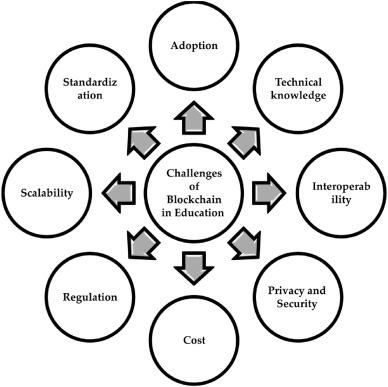
While blockchain offers transformative potential, educational institutions must address certain challenges for successful implementation:
- Technical Complexity: Partner with experienced blockchain developers and invest in upskilling your IT team.
- Regulatory Uncertainty: Keep abreast of regional and international data security laws and involve legal counsel at every stage.
- Resistance to change: Foster open communication, highlight the benefits, and engage all stakeholders from planning through deployment.
- Initial Cost: Begin with small-scale pilot programs to demonstrate ROI before full-scale investment.
Future Prospects of Blockchain in Education
The application of blockchain in education is still evolving.Experts predict that in the coming years,personalized learning pathways,global student records,decentralized learning platforms,and blockchain-powered online assessments will become mainstream. By adopting blockchain solutions for education now, your institution positions itself as a leader in digital conversion and future-ready infrastructure.
Conclusion
Blockchain technology is revolutionizing educational institutions by enhancing security, transparency, and efficiency in the management of academic records and administrative workflows. By understanding the benefits of blockchain in education and carefully crafting an implementation strategy, schools and universities can unlock new levels of trust, empower students with control over their achievements, and foster innovation for the digital era. If you are ready to explore the next frontier in educational technology, blockchain offers a compelling, future-proof solution.