
How Effective Is VR/AR in Education? A Comprehensive Evaluation of Learning Outcomes
The realm of education is evolving rapidly, and immersive technologies like Virtual Reality (VR) and Augmented Reality (AR) are at the forefront of this transformation. But just how effective is VR/AR in education, and what impact do these tools have on student learning outcomes? Whether you’re an educator, student, or edtech enthusiast, understanding the educational benefits and challenges of these technologies can empower you to make more informed decisions in the classroom or training surroundings.
What Are VR and AR in Education?
Virtual reality (VR) transports users to fully digital environments, isolating them from the real world and engaging their senses through headsets and controllers. Augmented Reality (AR), simultaneously occurring, overlays digital information—such as images, animations, or data—onto the actual physical environment via smartphones, tablets, or AR glasses. In the educational context, VR and AR open up highly interactive, 3D learning experiences that go far beyond customary textbooks or videos.
How Effective Is VR/AR in Education? Evaluating Learning Outcomes
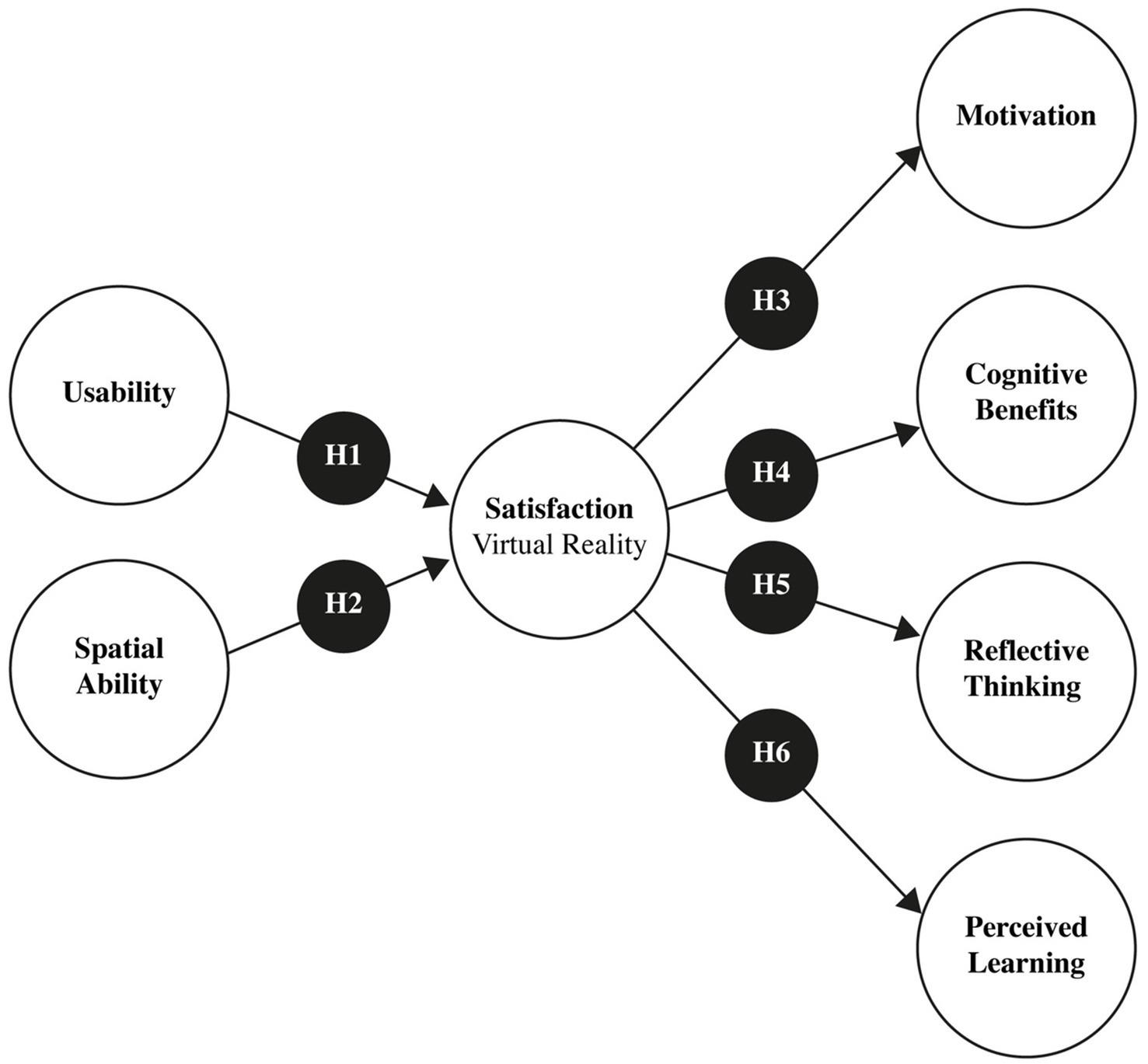
The growing body of research on immersive learning technologies suggests that VR/AR can substantially enhance educational outcomes. Key findings from recent studies include:
- Improved Retention Rates: Multisensory engagement in VR/AR leads to better memory retention and recall compared to traditional lecture methods.
- Enhanced Motivation and Engagement: Students frequently enough report increased motivation and excitement, as immersive content is more novel and interactive.
- Accelerated Skill Acquisition: Simulation-based training—such as surgical procedures in VR—results in quicker mastery and reduced learning curves.
- Growth of 21st Century Skills: Critical thinking, collaboration, and problem-solving can be fostered through team-based AR tasks and VR simulations.
- Increased Accessibility: Virtual field trips and AR lessons break down physical and socio-economic barriers to high-quality educational content.
According to a 2023 meta-analysis published in Computers & Education, students in VR/AR learning environments outperformed those in non-immersive settings by approximately 25% in standardized assessments measuring understanding and submission.
Key Benefits of VR/AR in Education
- immersive Experiential Learning: Complex theories and past events become tangible, allowing students to interact, explore, and experiment safely.
- Personalized Learning Paths: Adaptive AR apps enable individualized instruction, pacing, and dynamic feedback.
- Safe and Low-Risk Practice: VR is ideal for training in hazardous environments,such as chemistry labs or pilot training,without real-world consequences.
- Global Collaboration: Students can collaborate with peers worldwide in shared VR classrooms, promoting cultural awareness and teamwork.
- Enhanced Inclusion for Special Needs: AR/VR content can be customized for different learning abilities,including support for visual,auditory,and kinesthetic learners.
challenges and Limitations
- Cost and Infrastructure: High-quality VR headsets and compatible devices can be expensive for schools with limited budgets.
- Technical Barriers: Dependence on robust internet, software maintenance, and device updates may pose challenges.
- Limited Content: While expanding, the pool of high-quality, curriculum-aligned VR and AR educational content is still growing.
- Potential for Motion Sickness: Some students may experience discomfort using VR, requiring careful session management.
- Teacher Training Needs: Effective integration depends on adequate professional development and support for educators.
Balancing these challenges with the promised benefits is crucial for maximizing the effectiveness of VR/AR in education.
Case Studies: VR/AR Transforming the Classroom
Stanford University – Medical Training in VR
stanford implemented VR surgical simulations to train medical students in a risk-free, realistic environment. The outcome? Students using VR showed a 38% increase in procedural accuracy compared to traditional observation-based training.
Google expeditions – Virtual Field Trips
Schools worldwide have adopted Google Expeditions to take students on virtual field trips to the Great Wall of China, Mars, and even inside the human cell. Surveys report that students found the lessons more memorable and engaging, and teachers noted increased participation.
AR Science Labs in High School Biology
AR apps like Merge Cube allow students to manipulate 3D models of the human heart or cell structures. Teachers report improved understanding of complex anatomy concepts and higher scores in subsequent assessments.
First-Hand Experience: Educator & Student Perspectives
“Integrating VR into my science lessons has transformed my teaching. My students are excited to come to class and the depth of understanding they achieve from hands-on exploration is remarkable.” – Ms. Rivera, Middle School Science teacher
“I actually felt like I was inside a volcano! I could see the lava, the rocks, everything—I finally understood how eruptions work.” – Sanjay, 10th Grade Student
Practical Tips for Implementing VR/AR in Your Classroom
- Start Small: Pilot simple AR apps on tablets or smartphones if full VR is out of reach.
- Select Purposeful Content: Choose resources aligned with learning objectives for maximum impact.
- Prepare and Train: Ensure teachers are agreeable with the technology—host regular training and support sessions.
- Monitor and Adjust: Gather student feedback and adapt implementation to optimize engagement and learning outcomes.
- Promote Digital Literacy: Teach students about digital safety, responsible VR/AR use, and healthy screen time practices.
The Future of VR/AR in Education
As VR/AR hardware becomes more affordable and educational content libraries expand, experts predict these technologies will become a mainstream component of teaching and learning.With the rise of AI-driven personalization, real-time feedback, and collaborative virtual spaces, the potential for transforming educational outcomes continues to grow.
Governments, policymakers, and edtech companies are increasingly investing in research and development to overcome the remaining barriers to adoption, ensuring that effective, immersive education becomes accessible to all learners.
Conclusion: How Effective Is VR/AR in Education?
The comprehensive evaluation of VR/AR in education demonstrates their considerable potential to enhance learning outcomes, increase engagement, and bridge gaps in traditional instruction.While challenges such as cost, content availability, and teacher training remain, the benefits—particularly in terms of deeper understanding, practical skill-building, and accessibility—are compelling.
As technology evolves,so too will our capacity to deliver engaging and effective education through VR and AR.Schools that embrace these immersive tools today are not just keeping up with trends—they are pioneering innovative pathways for tomorrow’s learners.