
How Effective Is VR/AR in Education? Evaluating Impact, Benefits, and Challenges
Virtual Reality (VR) and Augmented Reality (AR) are revolutionizing numerous industries, and education is no exception. As technology becomes more accessible, classrooms worldwide are integrating immersive learning experiences to enhance student engagement, understanding, and retention. But how effective is VR/AR in education? In this in-depth article, we’ll evaluate the impact, key benefits, real-world uses, and challenges associated with these cutting-edge technologies in learning environments.
What Are VR and AR in Education?
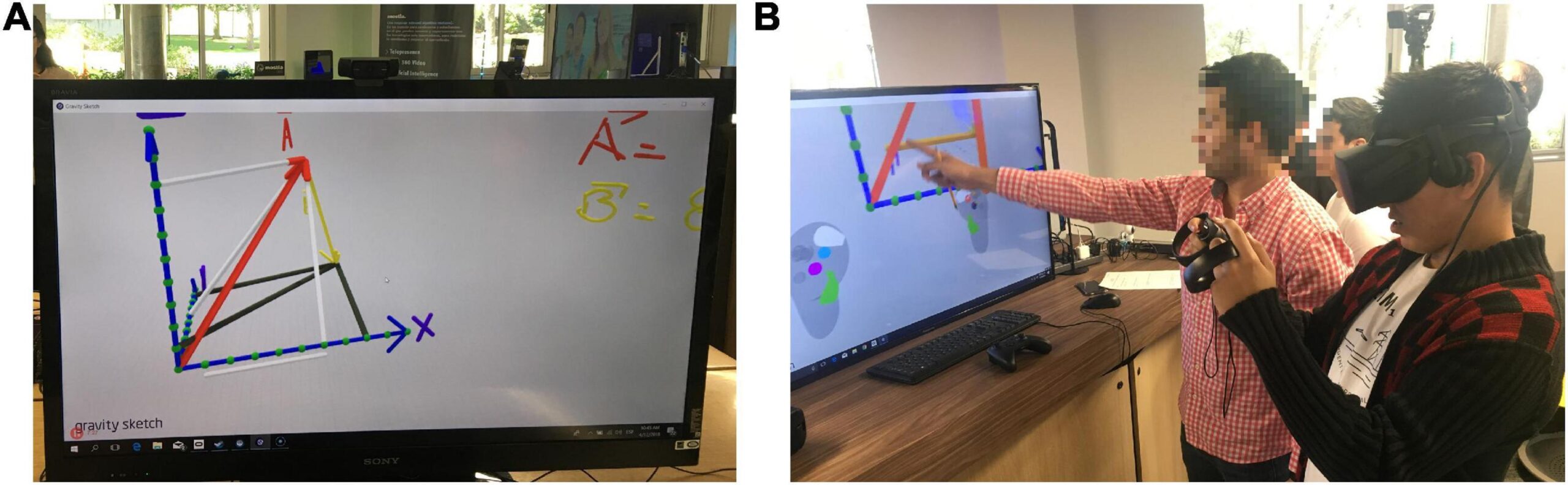
Virtual Reality (VR) immerses users in a fully virtual environment, typically using a headset, while Augmented Reality (AR) overlays digital details onto the real world with devices like smartphones, tablets, or AR glasses. In the context of education, both technologies offer interactive experiences far beyond what traditional textbooks or chalkboards provide.
- VR in education: Simulates real-world scenarios within a safe, controlled virtual space.
- AR in education: Enhances real-world surroundings with digital annotations, 3D models, or interactive exercises.
Evaluating the Impact of VR/AR in Education
The integration of VR and AR technologies into education has been closely studied by educators and researchers. Hear’s what the data shows:
- Enhanced engagement: Students using VR/AR frequently enough report greater motivation to learn, stemming from the interactive and immersive nature of these technologies.
- Improved knowledge retention: According to a 2019 PwC study, VR-trained learners were up to 275% more confident to apply skills after training, compared to learners who used traditional methods.
- Better understanding of complex subjects: Arduous scientific and abstract concepts become tangible and easier to grasp through 3D visualization and hands-on interactive experiences.
- Inclusive learning environments: VR/AR can be personalized, allowing students with different learning styles and abilities to actively participate.
“The immersive experiance of VR creates a unique environment where students can learn by doing instead of just listening or reading. This experiential learning boosts comprehension and retention rates.”
— Dr. Helen Smith, Educational Technologist
Key Benefits of VR/AR in the Classroom
Let’s dive into the main advantages that AR and VR bring to modern education:
- Active Learning Experiences: Students no longer just absorb information passively—they interact with content directly, which leads to higher engagement.
- safe Simulation of Real-World Scenarios: VR can simulate dangerous or expensive situations (like chemical experiments, engineering workshops, or medical procedures) without any actual risk or cost.
- Accessibility and Inclusivity: Both VR and AR offer support tools such as text-to-speech,sign language avatars,and immersive environments that can help accommodate special needs students.
- Collaboration in Virtual Spaces: Multi-user VR platforms allow students to collaborate, communicate, and solve problems as teams, fostering soft skills and global connectivity.
- Immediate Feedback: Interactive AR/VR modules can give instant feedback, allowing students to learn from mistakes on the spot.
Real-World Case Studies in VR/AR Education
Stanford uses VR simulations for surgical training. Trainees can practice complex procedures repeatedly, receiving feedback and overcoming anxiety before operating on real patients. Research showed considerably higher accuracy and confidence among VR-trained students versus those with traditional lecture-only learning.
Several schools in Finland have deployed AR apps to bring biology classes to life by projecting 3D anatomical models directly onto students’ desks. According to teachers, students using AR-based materials not only perform better in assessments, but are also more eager to participate in discussions.
Google Expeditions allows classes to embark on VR journeys to historical landmarks or distant planets. Students experience immersive, guided tours, gaining a deeper thankfulness and understanding than traditional image-based presentations alone.
Current Challenges and Limitations of VR/AR in Education
While the benefits of VR/AR in the classroom are compelling, there are still significant hurdles to widespread adoption:
- Cost and Accessibility: High-quality VR headsets, AR devices, and supporting infrastructure can be expensive, making widespread implementation a challenge for manny schools.
- Technical Barriers: Setting up and maintaining VR/AR systems requires IT expertise. There can also be compatibility issues with existing school hardware and software.
- Content Availability: While educational apps are growing rapidly, there’s still a limited pool of high-quality, curriculum-aligned VR/AR resources for every subject.
- Teacher Training: Educators require thorough training to integrate VR/AR effectively into lesson plans. Professional development is crucial to maximize the technology’s benefits.
- Physical Discomfort: Some students may experience motion sickness or eye strain with prolonged VR use—and not all devices are suitable for every age group.
- Equity Issues: Disparities in technology access can widen the digital divide among students.
“To truly unlock the potential of VR/AR in classrooms, we must address not just the technological barriers, but also support teachers and students in the transition.”
— Michael Green, EdTech Consultant
Best Practices & Practical Tips for Integrating VR/AR in Education
- Start Small: Pilot VR/AR technology with one subject, lesson, or class to gauge student response and identify challenges early.
- Prioritize Accessible Content: Seek out age-appropriate, curriculum-aligned AR/VR experiences from reputable education platforms.
- Invest in Teacher Training: Offer workshops, tutorials, and ongoing support to ensure educators are agreeable and creative with the technology.
- Pair with Traditional Methods: Use VR/AR as a supplement—not a replacement—for established teaching strategies.
- Monitor for Discomfort: regularly check on students for signs of VR sickness or fatigue, and adjust session length as needed.
- Foster Collaboration: Encourage students to explore VR/AR environments in groups or pairs for shared learning and discussion.
- Ensure Inclusivity: choose tools that have accessibility features, and develop plans so all students—including those with disabilities—benefit equally.
First-Hand Experiences: Voices from educators and learners
- Teachers: Many report increased excitement in the classroom and improved student performance, especially in STEM subjects. However, some emphasize the need for more reliable hardware and better technical support.
- Students: Most love the gamified, immersive aspects of VR/AR, and find learning “more fun and memorable.” A few experience occasional dizziness or find it distracting when not structured well.
- School Administrators: Cite budget planning and ongoing device maintenance as leading concerns, but acknowledge VR/AR offers a significant “wow” factor to attract families to their programs.
The future of VR/AR in Education
Emerging trends suggest VR and AR will only become more prominent in education with tech improvements, decreasing costs, and a growing ecosystem of content for every subject and grade level. Continued teacher training, student feedback, and collaboration between edtech companies and educators will be key to unlocking the full potential of immersive learning.
- AI integration: Intelligent VR/AR tools will be able to personalize learning even further.
- Hybrid learning models: VR/AR will bridge gaps between physical and digital classrooms, making education more flexible and accessible.
- Global classroom connections: Virtual exchanges and collaborative projects will connect students from across the globe in fully immersive environments.
conclusion: Is VR/AR Effective in Education?
VR and AR technologies are proving to be valuable tools for enhancing education, offering engagement, hands-on learning, and the ability to simulate experiences once thought unfeasible within the limits of a classroom. While implementation challenges remain, especially around cost and accessibility, the future is bright. Institutions and educators investing in immersive learning today are likely to see dividends in student engagement, outcomes, and future-readiness. By approaching VR/AR adoption thoughtfully and strategically, schools can empower both teachers and students to succeed in the digital age of education.