
How Effective Is VR/AR in Education? Evaluating the Impact and benefits of Virtual & Augmented Reality in Learning
Virtual Reality (VR) and Augmented Reality (AR) technologies have rapidly gained traction across various industries, but their role in revolutionizing education is particularly profound.As classrooms become more high-tech, educators, students, and institutions worldwide are asking, how effective are VR and AR in education? In this article, we’ll explore the impact, proven benefits, practical examples, and best practices for using VR and AR in learning environments.
Understanding VR and AR in Education
Virtual Reality (VR) creates entirely immersive digital environments, allowing students to experience scenarios and simulations as if they were physically present. Augmented Reality (AR), on the other hand, overlays digital facts onto the real world, blending virtual objects with physical settings. Both technologies are reshaping how educational content is delivered and experienced.
- VR in education: Think virtual science labs, historic event reconstructions, or virtual field trips to Mars.
- AR in education: Imagine interactive 3D models of the human body appearing over a textbook, or solving math problems with visual step-by-step cues overlaid on your worksheet.
The Impact of VR/AR on Modern Learning
The application of Virtual and Augmented Reality in education is more than just a high-tech trend; it has demonstrated real-world impact in multiple areas:
- Enhanced Engagement: immersive environments capture attention more effectively than conventional methods,reducing distraction and promoting sustained focus.
- Experiential Learning: Students “learn by doing” in safe, simulated settings—perfect for medicine, engineering, language learning, and more.
- Deeper Understanding: Complex concepts become tangible through visualization and interaction,making subjects like anatomy,chemistry,or architecture easier to grasp.
- Personalized Learning: VR/AR tools can adapt experiences to individual learning styles, providing tailored pacing and content.
- global Access and Equity: VR and AR break down geographical barriers, providing virtual access to laboratories, museums, or even entire ecosystems.
Key Benefits of Using VR/AR in Education
Integrating virtual and augmented reality into educational settings yields several tangible benefits:
- Improved Retention and Recall: Multiple studies have shown that interactive, immersive experiences help students remember information longer and retrieve it more easily.
- Boosted Motivation and Curiosity: Gamified VR and AR lessons foster a sense of exploration, encouraging students to actively participate and experiment.
- Safe Practice and Failure: Students can safely try, fail, and learn from mistakes—whether it’s dissecting a virtual frog or conducting risky chemical experiments.
- Collaboration and Communication: Many VR/AR learning platforms support multiplayer environments where students collaborate,share,and solve problems together,building communication skills.
- Inclusivity and Accessibility: VR and AR can be tailored for students with learning disabilities or physical limitations, helping to level the educational playing field.
Real-World Case Studies: VR and AR Transforming Education
To better understand the effectiveness of VR and AR in education, let’s look at a few inspiring examples:
Case Study 1: Medical Training at Stanford University
Stanford’s School of Medicine integrates VR simulations for surgery training. Students report improved confidence and proficiency, while instructors note faster skill acquisition.Complex procedures can be practiced repeatedly in zero-risk environments, providing invaluable experience before real-life operations.
Case study 2: AR-Enhanced Science Classes in UK Secondary Schools
Several UK schools leverage AR to bring biology and chemistry lessons to life. By viewing 3D models layered over worksheets, students interact with molecules, organs, and ecosystems, resulting in higher test scores and increased engagement compared to traditional textbooks.
Case Study 3: Virtual Field Trips with Google Expeditions
Google Expeditions enables classes from around the world to tour famous landmarks, natural wonders, and cultural sites virtually. This experience fosters a global perspective for students who may never have the opportunity for traditional field trips.
Educators’ and Students’ First-hand Experiences
Those using VR and AR in classrooms frequently share overwhelmingly positive feedback:
“The ability to visualize complex processes in 3D has wholly changed how my students understand cell biology. They’re not just memorizing—they’re experiencing.”
— Ms.chen,High School Science Teacher
“I actually look forward to physics now. With VR goggles, I can walk through atoms and interact with forces. It’s way more fun than staring at a textbook.”
— Jake, 11th Grade Student
Practical Tips for Successfully Integrating VR/AR in Education
Wondering how to start using VR and AR for learning? Here are some proven strategies:
- Start Small: Begin with simple AR apps or browser-based VR activities. No need for expensive headsets at first.
- Align with Curriculum Goals: Choose content that reinforces existing lessons and meets your learning objectives.
- Prioritize Accessibility: Use resources compatible with smartphones or tablets to maximize student participation.
- train Teachers and Staff: Provide professional advancement to help educators integrate VR/AR confidently.
- Encourage Collaborative Learning: Allow students to work together in virtual settings, leveraging peer-to-peer learning.
Potential Challenges and Considerations
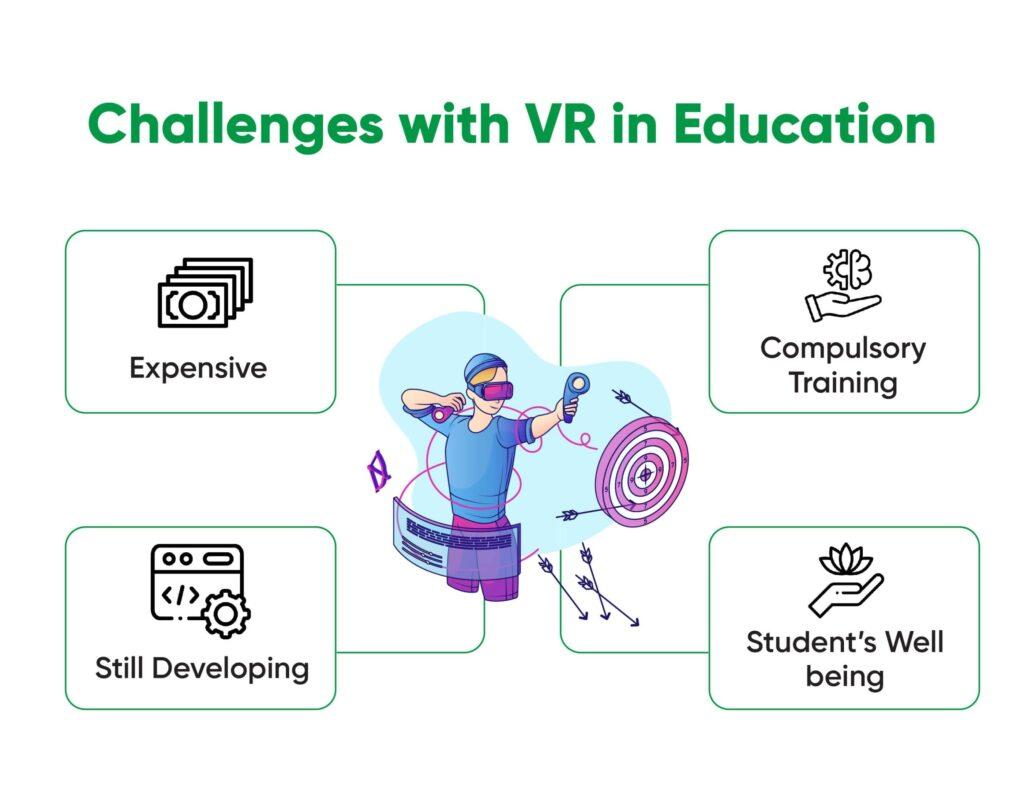
While the benefits are notable, implementing VR and AR in education does come with challenges:
- cost and infrastructure: High-end VR devices can be expensive.Opting for affordable AR solutions or VR viewers can mitigate costs.
- Content Quality and Relevance: Ensure learning materials are educationally sound, up to date, and curriculum-aligned.
- Technical Support: Faculty and IT staff should be trained to troubleshoot common issues swiftly.
- Risk of Distraction: Set clear guidelines for device use to maintain focus on learning objectives.
Future Trends: The Evolving Role of VR/AR in Education
As technology continues to advance, expect even more innovative applications of VR and AR in classrooms:
- Haptic feedback for realistic touch sensations in VR environments.
- AI-driven adaptive experiences for highly personalized learning paths.
- Remote and hybrid education powered by shared virtual campus experiences.
- Increased availability of affordable, lightweight VR/AR hardware for schools.
The future is shining, and the educational possibilities are almost limitless.
Conclusion: How Effective Is VR/AR in Education?
The question—how effective is VR/AR in education?—can be answered with a resounding “very.” From improving engagement and knowledge retention to providing immersive, hands-on experiences, virtual and augmented reality are transforming education at every level. By embracing these technologies mindfully and tailoring them to classroom needs, educators can unlock new worlds of possibility—and help their students thrive in a rapidly evolving, tech-driven society.