
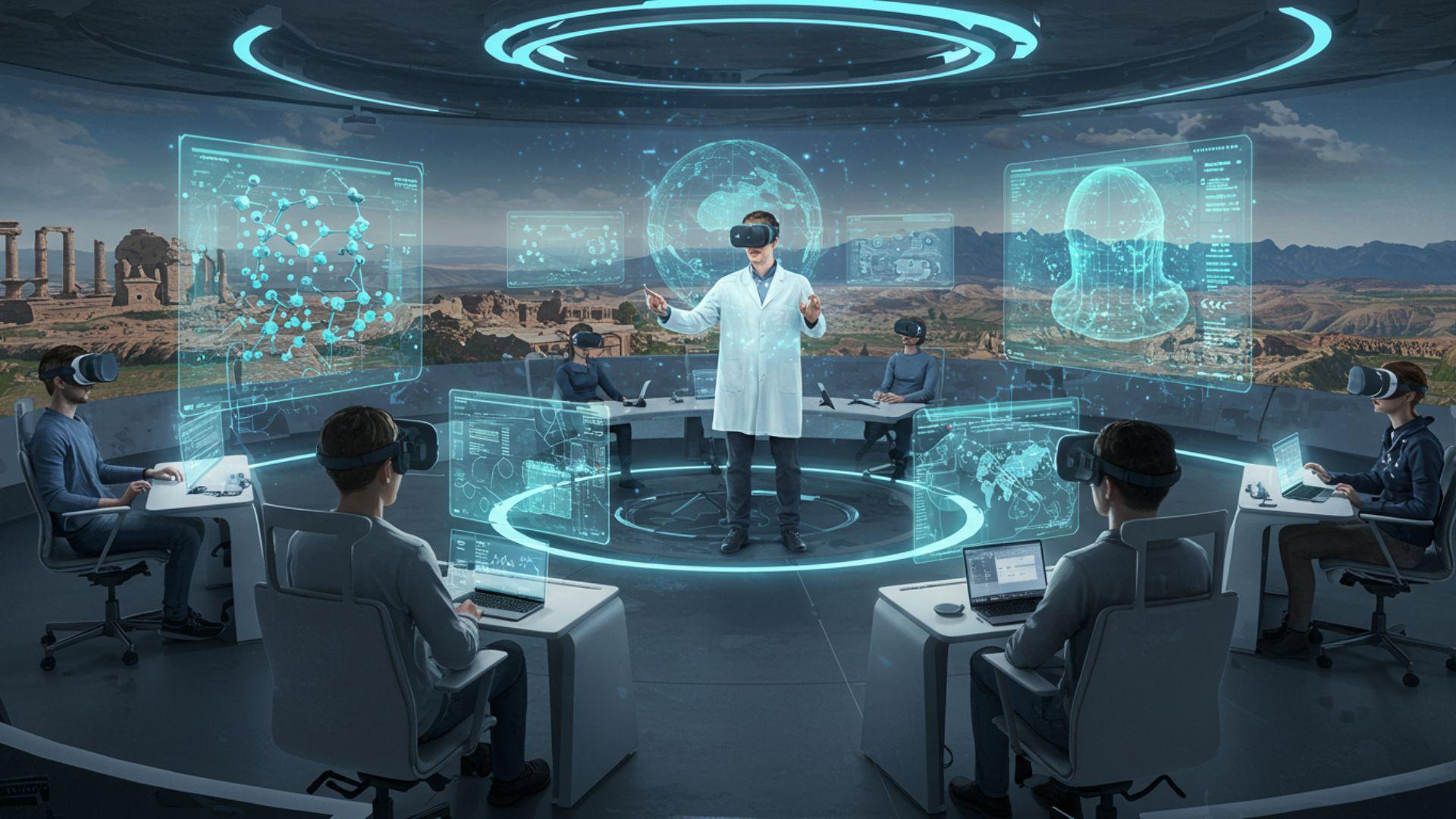
How Effective is VR/AR in Education? Evaluating the Impact of Immersive Technologies in the classroom
Virtual Reality (VR) and Augmented Reality (AR) are rapidly transforming the educational landscape. As immersive technologies gain traction, educators, students, and institutions are asking: How effective are VR and AR in education? Are these innovative tools just a passing trend, or do they truly enhance learning outcomes? In this comprehensive guide, we’ll evaluate the impact of VR/AR in the classroom, explore real-world case studies, highlight their benefits, discuss potential challenges, and provide practical tips for successful implementation.
Understanding VR and AR in Education
virtual Reality (VR) immerses users in a simulated digital environment using headsets or other devices, while Augmented Reality (AR) overlays digital information onto the real world, usually via smartphones or tablets. Both VR and AR are classified as immersive technologies that alter the traditional learning experience through interactive, visuals-rich content.
Common Classroom Applications
- Interactive science labs: Safe experimentation and visualization of complex concepts
- Virtual field trips: Explore historical sites, space, or underwater worlds without leaving the classroom
- Language learning: Immerse students in real-life language scenarios
- Medical and engineering simulations: Practice procedures or build prototypes virtually
- Special education: Personalized learning modules for diverse needs
The Effectiveness of VR/AR in Education: What Does the Research Say?
Numerous studies have investigated the impact of VR and AR on student engagement, retention, and academic performance. The consensus is clear: immersive technology enhances learning in notable ways, particularly when combined with traditional teaching methods.
Key Research Findings
- Increased Retention Rates: A 2019 study published in the Educational Technology Research and Development journal found that students using VR scored up to 20% higher in retention compared to those taught through conventional lectures.
- Boosted Engagement: Educators consistently report higher motivation and participation levels when VR/AR is integrated into lessons.
- Improved Collaboration: VR-based learning environments promote cooperative problem-solving and peer interaction, enhancing social learning.
- Deeper Understanding: Students grasp abstract and spatial concepts more quickly when they can visualize and interact with 3D models in real time.
“I’ve seen students come alive in history classes as they ‘walk’ through ancient Rome with a VR headset. It’s a game-changer for engagement and memory.”
— Sarah Thompson, High School Social Studies Teacher
Benefits of VR/AR in the Classroom
The adoption of immersive technologies in education brings a host of advantages for both teachers and learners. Here are some key benefits:
- Active learning: Students learn by doing, not just watching or listening.
- Personalized learning experiences: Pace,challenge,and content can be tailored to each student’s needs.
- Accessibility improvements: AR/VR can break down barriers for students with disabilities, offering new ways to access and process information.
- Cost and safety: Simulated environments reduce the need for expensive or hazardous real-world experiments and travel.
- Global reach: Connects learners and educators from different geographies in shared virtual spaces.
First-Hand Experience: Student Viewpoint
“Using VR in my biology class helped me actually see how the heart pumps blood. Instead of just memorizing diagrams, I could walk around a 3D heart and watch it in action. It made everything click!” — Mia, Grade 10 student
Challenges and Considerations
while VR/AR in education shows enormous promise, certain hurdles remain. Understanding these challenges is vital for schools aiming for successful integration.
- Cost of implementation: Quality VR/AR hardware and software can be expensive, although prices are steadily decreasing.
- Teacher training: Effective use requires educators to be pleasant with both the technology and new pedagogies.
- Content limitations: Not all curricula have ready-made VR/AR modules, necessitating custom development in some subjects.
- Technical issues: Reliable connectivity and device management are essential for classroom use.
- Health and safety: Some students may experience motion sickness or eye strain from prolonged VR use.
Case Studies: Successful VR/AR Integration in Education
Stanford University’s Virtual Reality lab
stanford’s Virtual Human Interaction Lab uses VR to teach empathy, environmental science, and communication skills.Students participate in immersive simulations, such as experiencing environmental pollution from the perspective of victims, leading to deeper understanding and long-term retention.
ZSpace in K-12 Science Classrooms
schools using zSpace AR/VR stations have reported significant improvements in STEM engagement and achievement. One middle school saw a 32% increase in test scores after introducing immersive science labs.
Google Expeditions for Virtual Field Trips
Google Expeditions allowed millions of students to experience virtual field trips, from the Great Barrier Reef to the surface of Mars. Teachers noticed increased curiosity, enthusiasm, and class participation.
Best Practices for Integrating VR/AR in the Classroom
- Start small: Test out basic AR apps or affordable VR viewers before investing in advanced equipment.
- Align with learning goals: Always choose VR/AR experiences that support your curriculum, not just flashy demos.
- Train your educators: Offer regular professional development and peer-sharing sessions on immersive technologies.
- Ensure accessibility: Select tools with features for diverse learning needs and abilities.
- Solicit feedback: Collect student and teacher insights regularly to improve implementation.
Practical Tips for Schools considering VR/AR Adoption
- research available grants and funding opportunities for classroom technology.
- Partner with universities or edtech companies for pilot programs and support.
- Focus on subjects where immersive experiences provide the greatest impact, such as science, history, and vocational training.
- Set clear goals and measurable outcomes for VR/AR lessons before rolling out school-wide.
- Monitor student well-being,ensuring that all VR/AR use is age-appropriate and follows safety guidelines.
conclusion: The Future of Immersive Technologies in Education
The question isn’t if, but how VR and AR will reshape the future of education. Early results are overwhelmingly positive: immersive technologies fuel engagement, support diverse learning needs, and make complex topics accessible and memorable. Though, lasting success depends on thoughtful implementation, ongoing teacher training, and a keen eye on student needs.
As VR and AR continue to evolve, schools that embrace these tools—while addressing the challenges—will unlock new dimensions of learning and prepare students for the digital age. Are you ready to bring the classroom of the future into your school?