
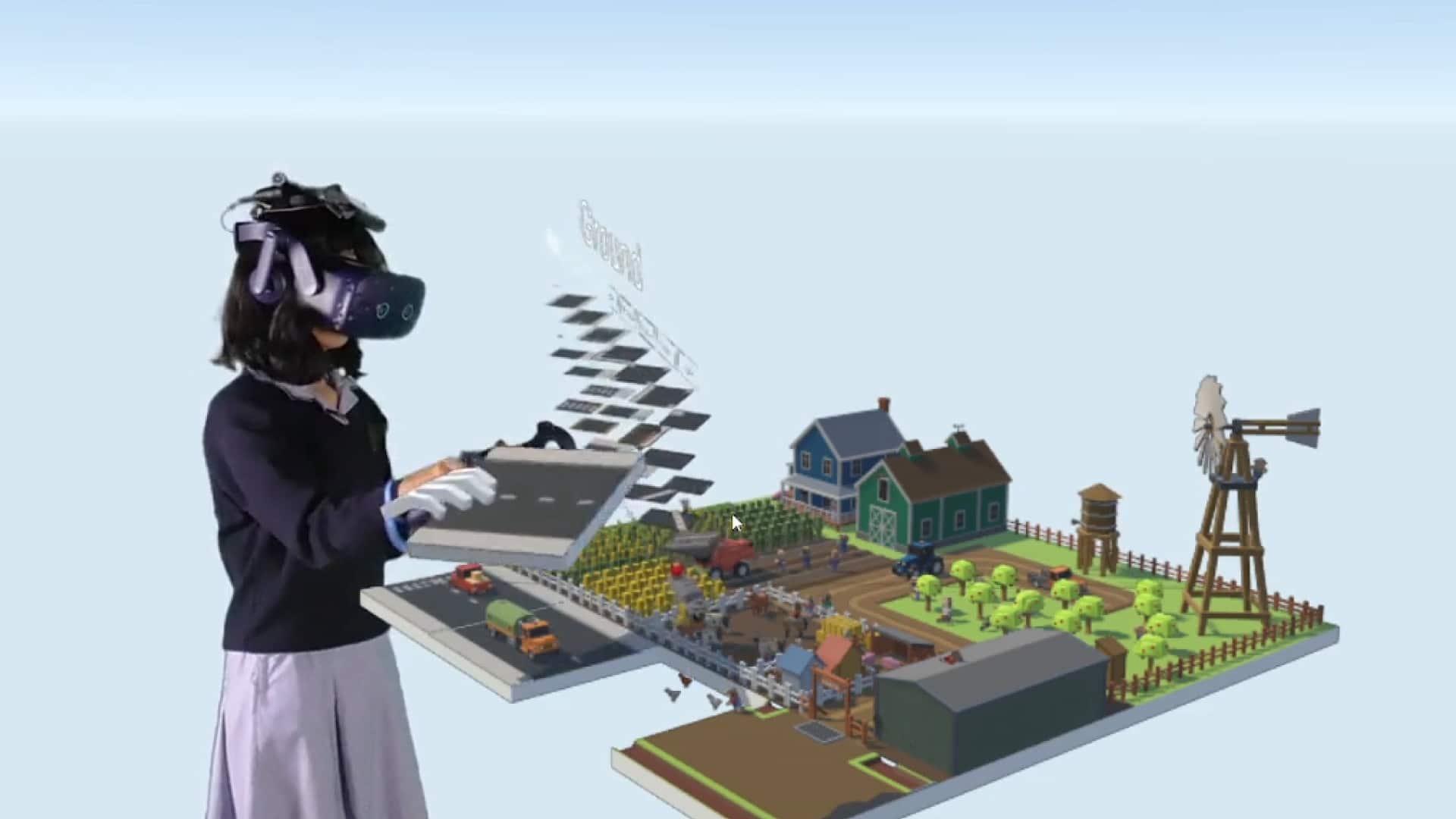
How Effective Is VR/AR in Education? Evaluating Transformative Learning Technologies
Virtual Reality (VR) and Augmented Reality (AR) have emerged as powerful forces in reshaping the educational landscape. as schools, colleges, and universities embrace transformative digital tools, teachers and students alike are asking: How effective is VR/AR in education? As immersive learning technologies become increasingly accessible, understanding their true impact is essential for educators and administrators planning for the future.
Introduction: The Dawn of Immersive Learning Technologies
Education technology has always been about bringing learning to life, whether through interactive whiteboards or cloud-hosted collaboration platforms. However,VR and AR go a step further by seamlessly bridging the gap between theoretical content and experiential learning. These immersive learning technologies transport learners beyond textbooks,allowing them to engage,experience,and experiment in ways previously unimaginable.
As VR/AR devices become more affordable and user-pleasant, their integration into mainstream curricula is shifting from a futuristic idea to a present-day reality. But how effective are these technologies in practice? Let’s dive into the research, applications, and real-world case studies to find out.
What Are VR and AR in Education?
Virtual reality (VR) involves creating a entirely digital environment in which users can interact with 3D worlds using specialized headsets and controllers. Augmented Reality (AR), on the other hand, overlays digital content (such as images, facts, or objects) onto the real world, usually via smartphones, tablets, or AR glasses.
- VR in Education: Offers full immersion into a simulated environment (e.g., exploring Mars, conducting virtual science experiments).
- AR in Education: Enhances real-world experiences with interactive information (e.g., overlaying anatomical visuals on body parts, historical artifacts in museums).
Both VR and AR aim to increase student engagement,deepen understanding,and improve retention rates by transforming passive learning into active revelation.
The Benefits of VR/AR in Education
- Active Learning: Students learn by “doing”—from chemistry experiments to complex surgeries—in a risk-free environment.
- Increased Engagement: Immersive and interactive lessons hold students’ attention longer than traditional lectures or textbooks.
- Better Knowledge Retention: Studies show experiential learning (supported by VR/AR) boosts long-term retention and recall.
- Equal Access: Students with disabilities can participate through tailored VR/AR experiences that level the playing field.
- Real-World Skills: Simulation training prepares students for real-world scenarios, from pilot training to emergency response.
- Collaboration and social Skills: Shared virtual environments foster teamwork and interaction among geographically dispersed learners.
Evaluating the Effectiveness: What Does the Research Say?
multiple studies and reports have assessed the impact of VR and AR in education. Some key findings include:
-
Higher Engagement Levels:
According to a 2022 study in Computers & Education, students using VR demonstrated up to 40% higher engagement compared to traditional methods.
-
Improved Retention rates:
Experiential learning supported by VR/AR showed a 30-50% enhancement in information retention in projects by the Stanford Virtual Human Interaction Lab.
-
Self-paced and Personalized Learning:
VR offers individualized pacing and repetition, catering to different learning styles and needs.
-
Empathy Growth:
Immersive scenarios help students understand different perspectives (e.g., experiencing historical events or medical conditions first-hand).
Tho, effectiveness frequently enough depends on thoughtful integration, teacher preparedness, and alignment with curriculum goals.
Challenges and Limitations of VR/AR in Education
Despite its many advantages, the adoption of immersive learning technologies is not without hurdles:
- Cost and Infrastructure: Quality VR headsets and AR devices can be expensive, and require robust IT support.
- Training and Support: Educators need training to integrate VR/AR effectively into their teaching strategies.
- digital Divide: Equitable access is a key concern,especially in under-resourced schools.
- Motion Sickness and Fatigue: Excessive VR use can cause discomfort for some students.
- Content Limitations: Not all subjects or lessons benefit equally from immersive approaches.
These challenges underscore the need for strategic planning and investment to maximize the effectiveness of VR/AR in education.
Case Studies: Real-World Impact of VR/AR in Classrooms
The real value of VR/AR is best illustrated through compelling case studies:
Case Study 1: VR for Medical Training
-
Leading medical schools, such as the case Western Reserve University, use VR simulations to teach complex human anatomy. Students explore 3D body structures, resulting in faster and more thorough comprehension compared to traditional cadaver labs.
Case study 2: AR in K-12 Science Education
-
The Google Expeditions AR program brings volcanoes and ocean life into classrooms, making abstract scientific concepts tangible and fostering curiosity through exploration.
case study 3: VR for Language Immersion
-
Foreign language students at several universities participate in virtual language exchanges, practicing real-time conversations with avatars from around the world, which considerably increases fluency and confidence.
Case Study 4: Simulated social Scenarios for Special needs
-
Educators employ VR to teach social and life skills to students with autism spectrum disorders, providing safe spaces to practice interactions and transitions.
First-Hand Experiences: Voices from the Classroom
“After introducing VR-based field trips, my students became visibly more engaged and eager to discuss their experiences in class. the technology has sparked a sense of wonder and exploration that’s hard to achieve with textbooks alone.”
– Sarah L.,Middle School Science Teacher
“I witnessed a student with severe test anxiety excel in a simulated science lab. the immersive, low-stakes environment helped build confidence without the fear of making mistakes.”
– dr. James M., High School Principal
Practical tips for Integrating VR/AR Into Your Classroom
- Start Small: Pilot a single VR/AR lesson to gauge student reaction before making bigger investments.
- leverage Free Resources: Many platforms, like Google Expeditions and Merge EDU, offer free or low-cost educational VR/AR content.
- Align with Curriculum: Choose applications that directly support your learning objectives, rather than using technology for technology’s sake.
- Seek Professional Development: Attend workshops or join online educator communities to share best practices and technical tips.
- Ensure Accessibility: Consider all students’ needs and check for available accommodations within the chosen VR/AR platform.
- Monitor Usage: Balance immersive tech time with traditional activities to avoid fatigue or overreliance.
Future Prospects: Where Is VR/AR in Education Headed?
As hardware becomes more affordable and content libraries expand, experts predict a rapid increase in the adoption of VR and AR in education. Integrating AI and analytics with immersive learning platforms promises even more personalized and adaptive learning experiences.
Additionally, the push for remote and hybrid learning solutions—accelerated by recent global events—has spotlighted the unique potential of VR/AR to connect learners and educators across distances in engaging, interactive ways.
Conclusion: Unlocking the Transformative Power of VR/AR in Education
So, how effective is VR/AR in education? The evidence points to meaningful benefits when these technologies are thoughtfully integrated: greater student engagement, improved retention, equitable access to experiences, and skill development for real-world success. While challenges remain, especially regarding cost and content, the momentum behind VR/AR is undeniable.
For educators and administrators, the path forward involves informed pilot programs, professional development, and an open mind to experimentation.As these immersive learning technologies continue to evolve, they promise to transform classrooms into dynamic, interactive environments that truly prepare learners for the challenges and opportunities of tomorrow.
Keywords: VR in education,AR in education,effectiveness of VR/AR,immersive learning technologies,transformative learning,virtual reality classroom,augmented reality classroom,educational technology