
how Effective Is VR/AR in Education? Evaluating Virtual and Augmented Reality for Learning Success
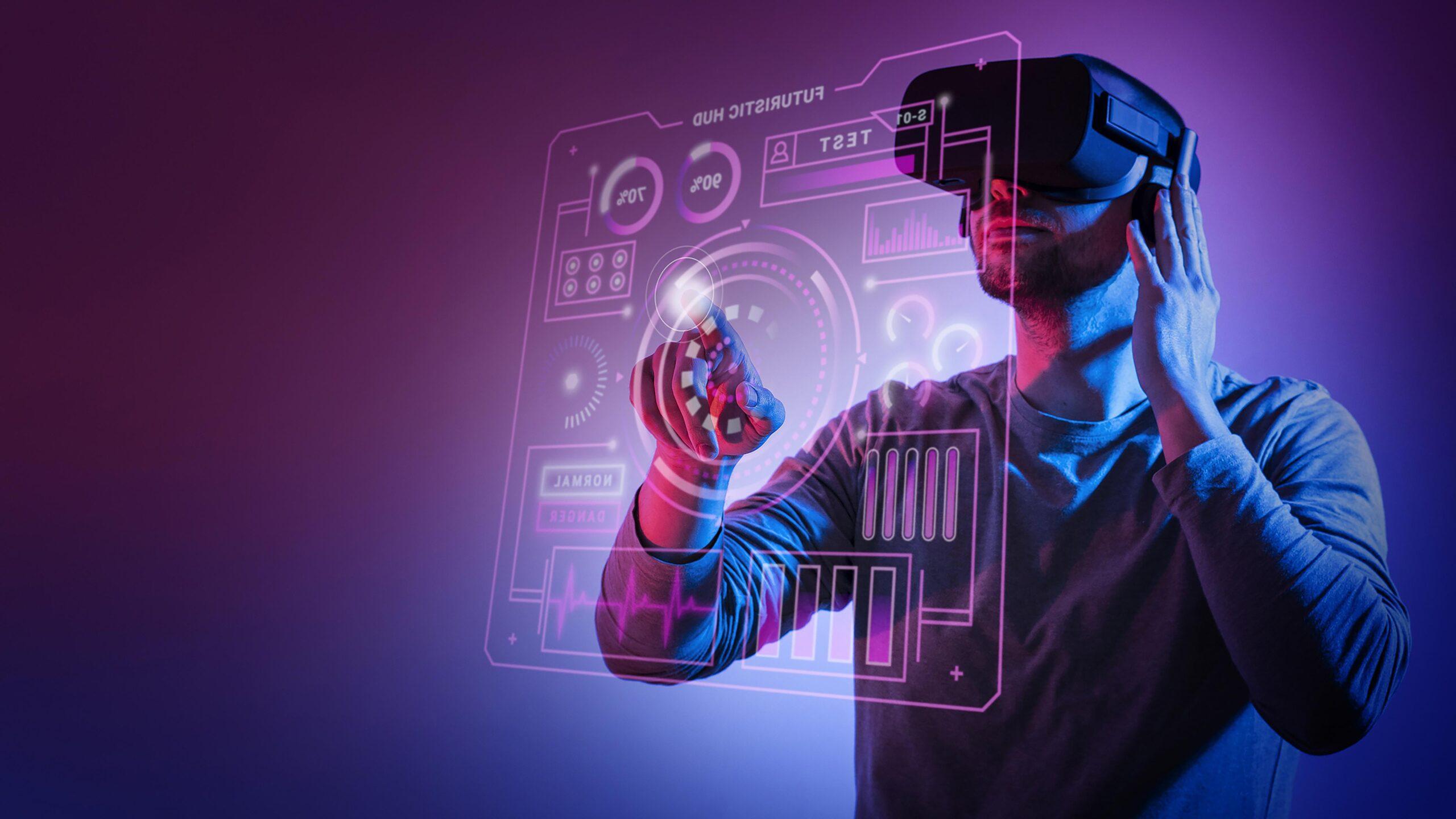
Virtual Reality (VR) and Augmented Reality (AR) are revolutionizing education with immersive and interactive experiences. From science classrooms to vocational training, these technologies are unlocking new possibilities for effective, engaging, and personalized learning. But just how effective are VR and AR in education? Let’s dive deep into thier benefits,case studies,practical tips,and expert insights to evaluate their true impact on learning success.
Understanding VR and AR: Definitions & Differences
- Virtual Reality (VR) creates a fully immersive, computer-generated habitat where users can interact with 3D worlds using headsets and controllers.
- Augmented Reality (AR) overlays digital content onto the real world, typically through smartphones, tablets, or AR glasses, blending physical and digital elements.
Both VR and AR in education offer unique avenues for interactive learning, but their effectiveness depends on how they’re integrated into teaching methodologies and learning objectives.
The Effectiveness of VR/AR in Education
Research Insights & Learning Outcomes
Recent studies show that VR and AR can dramatically improve learning outcomes by enhancing engagement, knowledge retention, and motivation. Key findings include:
- Retention Rates: Learners exposed to VR/AR environments show up to 30% higher retention rates compared to traditional learning methods, according to a 2023 EDUCAUSE review.
- Motivation & Engagement: Interactive experiences boost learner motivation, notably in subjects that benefit from visualization, such as STEM, history, and art.
- Practical Skill Development: Simulation-based VR training significantly improves skill acquisition in fields like medicine,engineering,and technical education.
Advantages of Integrating VR/AR in Classrooms
- Immersive Learning: Students can virtually explore ancient civilizations, dissect virtual frogs, or conduct chemistry experiments in safe digital labs.
- Personalization: Adaptive VR/AR platforms offer content tailored to individual learning styles and paces.
- safe & Ethical Practice: Medical students practice surgeries and emergency scenarios within risk-free virtual simulations.
- Diverse Accessibility: Remote learners access the same high-quality resources as in-person students, breaking geographical barriers.
case Studies: VR/AR Impacting Learning Success
1. Stanford Virtual Heart
Stanford University’s Virtual Heart project lets medical students explore and interact with a lifelike, 3D human heart. This VR simulation significantly improved understanding of cardiac anatomy compared to textbook learning, resulting in higher exam scores and confidence among students.
2. labster Virtual Science labs
Labster offers VR-based science labs where high school and college students conduct experiments that might be impossible (or hazardous) in real life. Studies show students using Labster lab simulations performed better and felt more prepared for hands-on experiments.
3. AR in K-12 Classrooms: Google Expeditions & Merge Cube
google Expeditions allows students to take virtual field trips around the world. Merge Cube brings AR manipulations to subjects like math and geology,helping students grasp abstract concepts through interactive models. Teachers report increased participation and curiosity in lessons enriched by AR.
Benefits of VR/AR in Education
Enhanced Engagement and Motivation
Unlike passive learning techniques, VR/AR encourage active participation. Students remain engaged through exploration, immediate feedback, and gamified challenges—all proven to boost motivation.
Improved Conceptual Understanding
Complex topics like molecular biology, geometric principles, and ancient events become easier to understand when visualized and interacted with via VR/AR tools.
Accessibility and Inclusion
- Language Barriers: AR tools instantly translate content, making lessons accessible to non-native speakers.
- Learning Disabilities: Customizable VR/AR environments help students with disabilities learn at their own pace with additional support features.
Challenges and Considerations
- cost & Accessibility: While the cost of VR/AR hardware is falling, widespread adoption requires investment and reliable infrastructure.
- Teacher training: Effective integration depends on educators being trained in the use of VR/AR platforms and understanding their pedagogical value.
- Curriculum Alignment: Ensuring VR/AR activities reinforce curricular goals rather than distract from them is crucial for long-term efficacy.
Practical Tips for accomplished Use of VR/AR in Educational Settings
- Start Small: Introduce VR/AR in pilot projects or single lessons before scaling up across subjects or grades.
- Choose Content Carefully: Select applications and experiences that directly align with curriculum objectives and learning needs.
- Encourage Collaboration: Use multiplayer or team-based VR/AR scenarios to boost peer interaction and collective problem-solving.
- Monitor & assess: Regularly evaluate student outcomes and engagement to measure the impact of VR/AR technology.
- Champion Teacher Training: Invest in professional development workshops so educators can confidently and effectively use VR/AR tools.
First-Hand Experiences: Voices from Educators and Learners
“teaching chemistry with VR transformed my classroom. Students who struggled with abstract concepts suddenly became eager and proactive. The betterment in their test scores—and their confidence—was truly remarkable.”
– Anna P., High School Chemistry Teacher
“Using AR for geography lessons made maps and physical features come alive. I coudl easily adapt content for students with different learning styles, which meant everyone was included and interested.”
– Mark T.,K-8 Teacher
The Future of VR/AR in Education
As VR and AR technologies continue to evolve, their potential in education grows exponentially. Artificial intelligence, cloud computing, and mobile devices are making immersive learning more accessible and customizable. Forward-thinking schools and universities are increasingly embracing VR/AR to prepare students for a future where digital literacy is as vital as traditional subjects.
Conclusion: How Effective Is VR/AR in Education?
Based on extensive research, real-world case studies, and firsthand educator accounts, it’s clear that Virtual Reality and Augmented Reality are proving highly effective in enriching education. Their ability to engage students, deepen understanding, and foster practical skills makes them valuable allies in modern teaching. However, success depends on thoughtful integration, teacher training, and constant evaluation.
As costs decrease and technology advances, VR/AR are poised to become standard tools in classrooms around the world. Educators,policymakers,and learners who invest in these immersive technologies now will reap significant benefits—in learning outcomes,equity,and lifelong skill development.
Ready to bring VR/AR into your classroom or school? Start small, focus on curricular alignment, and prioritize teacher training to ensure these exciting technologies deliver maximum impact for your students.
further Reading & Resources
For more expert tips and the latest research on innovative educational technology including VR and AR, subscribe to our newsletter and stay informed!