
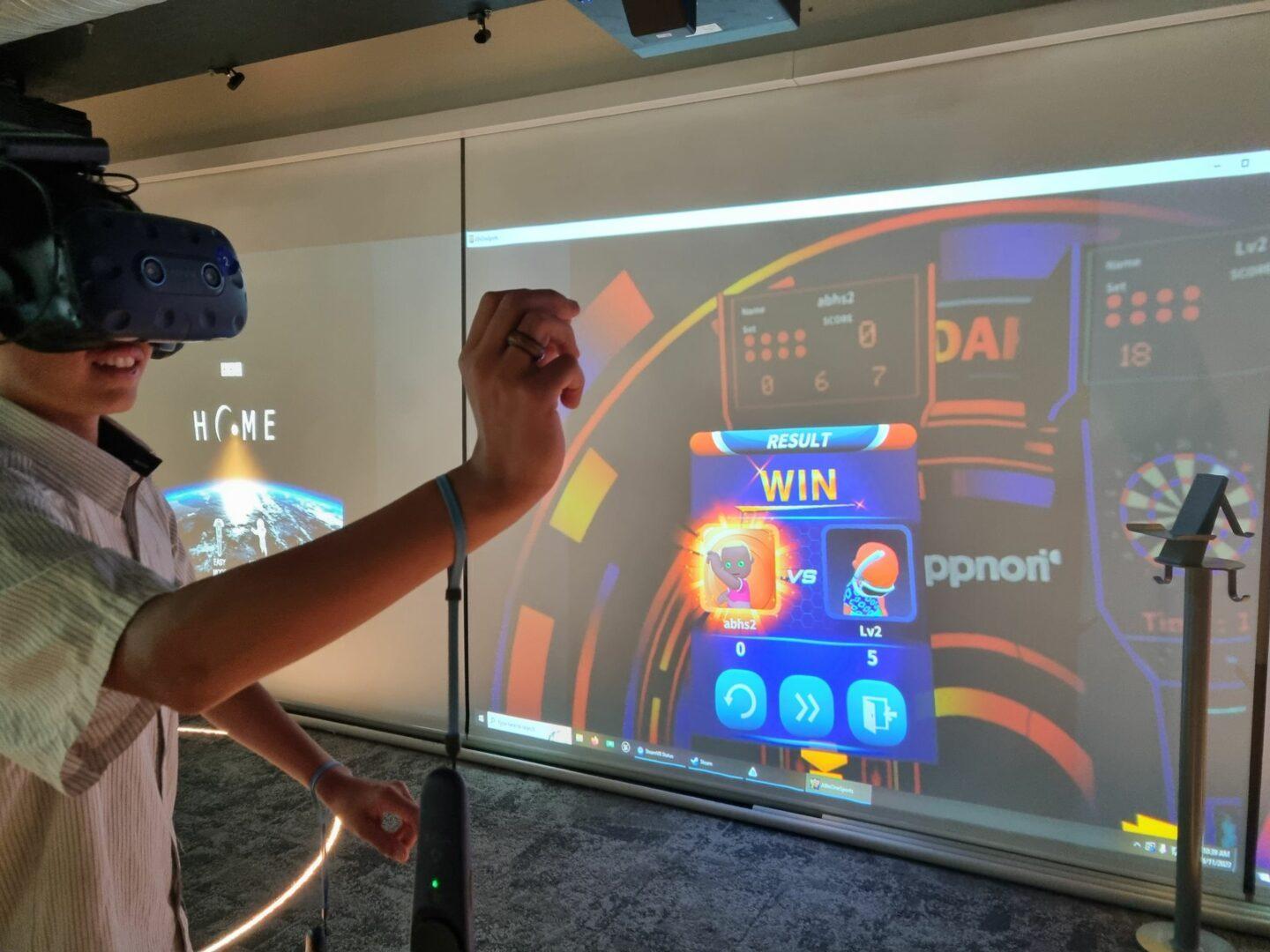
How Game-Based Learning Boosts Engagement: Student Feedback and Key Insights
Game-based learning has rapidly transformed educational settings, blending play wiht lessons to create memorable and motivating learning experiences. from elementary classrooms to university lecture halls, game-based learning is celebrated as a catalyst for student engagement and deeper understanding. But why does it work so well? And what do students themselves have to say about this approach? Let’s dive into student feedback, uncover the benefits, and share key insights on how game-based learning can supercharge engagement in education.
Understanding Game-Based Learning
Game-based learning (GBL) refers to the use of digital or physical games to achieve educational objectives. these games might be quizzes, simulations, competitions, or full-scale virtual worlds crafted to provide challenges, feedback, and rewards. Unlike customary gamification, which just adds game elements (like points and badges) to conventional learning, GBL is centered around games as the primary learning medium.
- Examples: Kahoot! classroom quizzes, Minecraft Education Edition, coding challenges, science mystery games, language learning apps, and board games with academic content.
- Core principles: Active participation, instant feedback, intrinsic and extrinsic motivation, collaborative teamwork, safe failure (allowing students to take risks without negative consequences).
Why Engagement Matters in Education
Student engagement is the cornerstone of effective learning experiences. When students are engaged, they are more likely to retain data, think critically, and apply knowledge beyond the classroom. Traditional lecture-based methods often struggle to capture today’s digitally native students, making innovative approaches like game-based learning crucial.
- Engaged students demonstrate higher attendance rates, better academic performance, and improved social skills.
- Disengaged students may become passive learners, skip classes, or struggle with course completion.
The Science Behind Game-Based Learning Engagement
Game-based learning is grounded in established educational theories such as constructivism and experiential learning. According to numerous studies, games stimulate curiosity, provide purposeful practice, and create emotionally rewarding scenarios that drive learning.
- Active learning: Students interact, experiment, and make decisions, which helps consolidate knowledge.
- Immediate feedback: Players receive corrections and encouragement in real time, increasing confidence and persistence.
- Flow state: challenging yet achievable tasks place students in a ‘flow’ where learning feels satisfying and time passes quickly.
- Collaboration: Many educational games encourage teamwork and interaction, essential 21st-century skills.
Student Feedback: What Learners really Think About Game-Based Learning
Direct input from students gives us valuable insight into the true impact of game-based learning. Recent surveys and classroom interviews reveal overwhelmingly positive experiences, especially concerning engagement, motivation, and understanding complex concepts.
“I used to get bored during class, but with the games, I look forward to learning and even study before sessions so I can win points!”
— High school science student, USA
“I love how we work together in teams and there’s no pressure if we get something wrong. It feels safe to take risks and have fun.”
— University language learner, UK
- 90% of surveyed students reported higher engagement and enjoyment during game-based lessons (Edtech Review, 2023).
- Over 75% stated that games made challenging topics easier to understand and remember.
- Students with learning differences (e.g., dyslexia, ADHD) highlighted that games offered pace and repetition suited to their needs.
Common Themes from Student Feedback
- Increased Motivation: Games make learning fun and reduce anxiety about making mistakes.
- Better Peer Interaction: Team-based challenges foster communication and social connection.
- Clearer Understanding: Visuals, simulations, and in-game scenarios bring abstract concepts to life.
- Customizable Pace: Students appreciate self-directed progress and responsive challenges.
Key Benefits of Game-based Learning
- Boosted Engagement: interactive elements and rewards keep students focused and attentive.
- deeper Learning: Challenges and simulations require higher-order thinking and problem-solving.
- collaboration & Social Learning: Cooperative games build teamwork and leadership skills.
- safe Space to Fail and Retry: Students learn from mistakes without fear of grades or embarrassment.
- Personalized Experience: Adaptive games adjust to individual student strengths and weaknesses.
Case Study: using Kahoot! to Reinforce Science Concepts
At a middle school in California, teachers implemented weekly Kahoot! quizzes to complement science lessons. Test scores increased by 20% on average over the semester, while student attendance rose by 15%. Feedback forms noted that shy students participated more actively and recalled information longer, with one stating, “I remember the answers as it felt like a game, not a test!”
Key Insights: Why Game-Based Learning Works
- Feedback Loops Drive Growth: students learn faster when they receive instant responses to their choices, rather than waiting for graded assignments.
- Emotion Connects to Memory: Games evoke excitement, curiosity, and accomplishment—emotions that help cement learning.
- Social Dynamics Fuel Engagement: Kind competition and teamwork make classroom participation enjoyable.
- autonomy Enhances Motivation: Allowing students to explore, make decisions, and set their own pace encourages ownership of learning.
Practical Tips: How to Implement Game-Based Learning Effectively
- Select Purposeful Games: Choose games that truly align with your learning objectives, not just entertainment.
- Blend with Traditional Methods: Use games to supplement, not replace, established teaching practices.
- Encourage Inclusivity: Design games that accommodate all learning styles and abilities, ensuring participation from every student.
- Gather and Act on Feedback: Listen to your students’ input and adapt your approach as needed.
- start Small: Introduce short, low-stakes games before scaling up to more complex scenarios.
- Leverage Technology: Use online platforms (Kahoot!, Quizizz, Minecraft Education, etc.) for easy implementation and tracking.
- Celebrate Achievements: Recognize progress with digital badges,leaderboards,or simple shout-outs.
first-Hand experiences: Voices from the Classroom
Educators are also enthusiastic about the impact of game-based learning. Teachers report livelier classrooms, fewer disruptions, and more collaborative students. According to a 2023 poll by EdSurge:
- 82% of teachers said they noticed higher participation levels during game-based lessons.
- teachers observed that introverted students were more likely to engage when learning through games.
“Game-based learning has completely shifted the energy in my classroom. Students who rarely spoke up are now eager to participate.”
— Mary, 4th Grade Teacher, australia
Conclusion: The Lasting Power of Game-Based Learning
Game-based learning isn’t just a passing trend—it’s a proven strategy to boost student engagement, motivation, and achievement. By transforming lessons into interactive adventures, educators create environments where all students feel empowered, challenged, and excited to learn.
Student feedback highlights the true value of this approach: it turns classrooms into places of curiosity, joy, and meaningful connection.By thoughtfully integrating game-based learning into your educational toolkit, you invite both fun and effectiveness into the teaching process.
Ready to revolutionize your classroom? Start with a simple game-based activity, listen to your students, and watch engagement levels soar!