
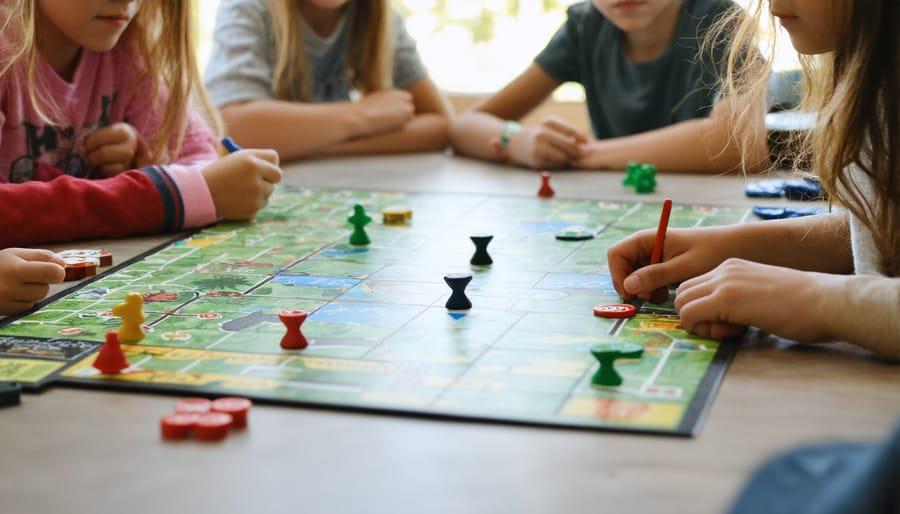
How Game-Based Learning Transforms Classrooms: Insights from Student Feedback
Game-based learning is no longer just a buzzword—it’s a powerful educational strategy revolutionizing classrooms worldwide. By blending interactive gameplay with academic content, game-based learning creates engaging, dynamic, and motivating experiences for students of all ages. In this article, we explore how game-based learning transforms classrooms, drawing directly from student feedback, and provide practical guidance on implementing these techniques for meaningful learning outcomes.
What is Game-Based Learning?
Game-based learning (GBL) integrates educational content into games, making learning both effective and enjoyable. Utilizing computer games, board games, and even gamified classroom activities, GBL encourages students to actively participate in their own educational journey. Unlike conventional learning methods, game-based learning emphasizes critical thinking, problem-solving, and collaboration.
- Interactive Experiences: Students engage with material in real-time scenarios.
- Reward Systems: Badges,levels,and leaderboards create motivation.
- Immediate Feedback: Games provide instant responses, helping students adjust and improve.
Student Feedback: teh Pulse of Classroom Change
The heart of game-based learning’s success lies in student feedback.Numerous surveys and case studies reveal overwhelmingly positive responses from learners exposed to game-based strategies. Here’s what students are saying:
“Learning through games made math less scary and more like a fun challenge. I didn’t even realise I was learning at first!”
– 7th Grade Student
“I love when we use games for science.Working in teams to solve problems helps me remember what I learn. Plus, it’s exciting!”
– 10th Grade Student
- 72% of students report increased motivation when lessons use game-based learning tools.
- 65% say they understand topics better and enjoy lessons more.
- 54% feel more confident about learning new subjects because games lower the fear of failure.
Key Benefits of game-Based Learning in the Classroom
1. Enhanced engagement and Motivation
one of the main benefits of game-based learning is its ability to boost student engagement.Through competitive elements, fascinating narratives, and rewarding progress, students stay focused and invested in their learning.
2. Advancement of Critical Skills
Game-based learning is rich in opportunities to develop core 21st-century skills such as:
- Problem-solving
- Teamwork and collaboration
- Strategic thinking
- Adaptability
3. Immediate Feedback and Personalization
students receive instantaneous feedback in game environments, allowing them to quickly identify mistakes and celebrate successes. Manny educational games adapt in difficulty based on performance, providing a personalized learning pace for each student.
4. Increased Retention
Active participation in gameplay helps students remember material better compared to passive learning methods. By associating concepts with game mechanics and stories, information is stored more effectively in long-term memory.
Practical Tips for Integrating Game-Based Learning
Transforming your classroom with game-based learning doesn’t require a total overhaul. Here are some actionable steps to get started:
- Start Small: integrate short quiz games like kahoot! or Quizizz at the end of lessons to reinforce key concepts.
- Use Curriculum-Aligned Games: Select games designed specifically for educational outcomes in your subject area, such as Scratch for coding or Mangahigh for math.
- Encourage Collaborative Play: Group students in teams to foster interaction and teamwork.
- Gather Student Feedback: After using game-based activities, ask students what they liked, what challenged them, and how agreeable they felt during the process.
- Blend with Traditional Methods: Combine games with lectures, discussions, and hands-on projects for a well-rounded approach.
Case Study: Game-Based Learning in Action
Let’s examine a real-world example of effective game-based learning integration:
Greenwood Public School – 8th Grade Science
Greenwood’s 8th-grade science teachers implemented Legends of Learning, a game platform for science education. After three months:
- Test scores improved by an average of 18% compared to previous units without games.
- 90% of students reported “enjoying science class more” and requested similar activities in future lessons.
- Teachers noticed increased participation from quieter students who typically avoided class discussions.
Common Challenges & Solutions in Game-Based Learning
While the benefits are importent, transitioning to game-based learning can present some challenges. Here’s how educators can overcome these hurdles:
- Lack of Resources: Seek out free or low-cost online educational games. Utilize existing classroom technology creatively.
- Screen Time Concerns: Balance digital games with physical, board-based, or outdoor educational games.
- curriculum Integration: Select games with direct ties to learning objectives and standards to ensure relevance and measurable progress.
- Student Distraction: Clearly communicate learning goals before beginning games, and use time limits or structured activities to maintain focus.
first-Hand Experiences: Voices from the Classroom
Student feedback isn’t just about enthusiasm—it’s about deeper engagement with learning. Listen to what real students have experienced:
- Maria P., 9th grade: “Playing simulation games in history class helped me actually visualize and understand how ancient civilizations worked. It’s way better than just reading from a textbook.”
- James L., 6th grade: “our teacher used a math game that made everyone compete for the fastest solution. We learned so much from helping each other and talking about why an answer was right or wrong.”
These first-hand accounts underscore the tangible impact game-based learning has on comprehension,retention,and enjoyment.
Conclusion: The Future is Playful and Purposeful
Game-based learning is more than a trend—it’s a transformative approach that redefines how knowledge is delivered and absorbed in the classroom. By centering student feedback, leveraging engaging educational games, and thoughtfully blending them with traditional teaching, educators can foster a joyful, motivated, and effective learning surroundings.
As classrooms continue evolving, listen to your students. Their feedback is the compass that guides successful game-based learning integration. With a little experimentation and an open mindset, your next lesson can be as memorable as it is educational. Embrace the power of play, and watch your students’ love of learning grow!