
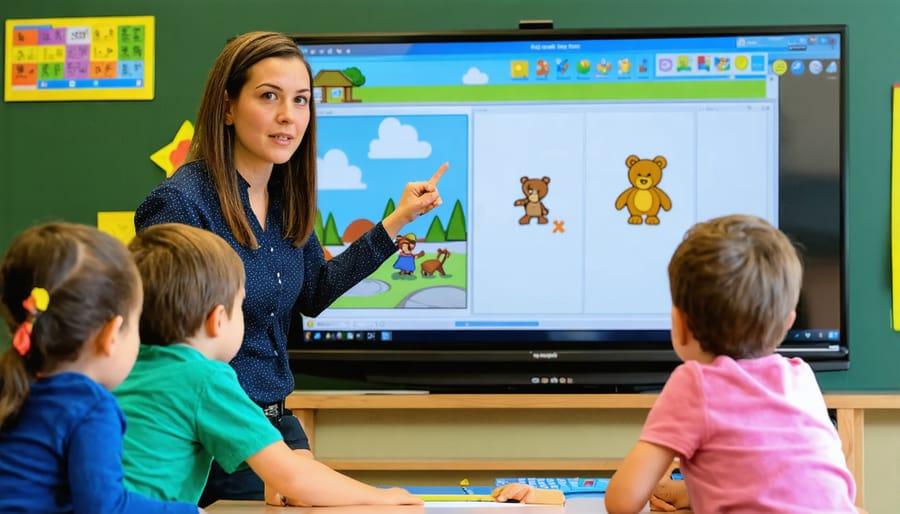
how Game-Based learning Transforms Classrooms: Student Feedback and Impact Insights
Introduction
In the rapidly evolving landscape of modern education, customary teaching methods are increasingly being complemented—and sometimes transformed—by innovative approaches. Among these, game-based learning (GBL) stands out, integrating the engaging aspects of gameplay with powerful educational outcomes. But how exactly does game-based learning transform classrooms? What do students really think about these changes? In this comprehensive article, we dive into student feedback, educational impact insights, and actionable ways for teachers and schools to harness the power of gamification in education.
What is Game-Based Learning?
Game-based learning involves using game mechanics and digital or physical games to foster a more engaging and effective learning habitat. Unlike traditional lectures or static assignments,GBL incorporates elements such as competition,collaboration,rewards,and instant feedback. This approach not only motivates students but also helps them develop critical thinking, problem-solving, and communication skills.
Key Benefits of Game-Based Learning in the Classroom
- Increases student engagement: Games capture attention and drive curiosity, making learners more active participants in their educational journey.
- Enhances knowledge retention: Concepts learned through interactive games are better remembered, thanks to practical application and repetition.
- Encourages collaboration and social skills: Many educational games require teamwork, helping students develop essential interpersonal abilities.
- Facilitates differentiated learning: Games can be tailored to various skill levels, ensuring every student can progress at their own pace.
- delivers real-time feedback: Students instantly see the results of their actions, enabling quick correction and iterative improvement.
- Fosters creativity and problem-solving: Game scenarios present challenges that require innovative solutions.
Student Feedback: What Do Learners Say About Game-Based Learning?
Understanding the impact of game-based learning from the student’s viewpoint is crucial. Consistent feedback collected from a diverse range of classrooms reveals some recurring insights about how students perceive game-based learning.
positive Feedback
- “Learning feels fun and less stressful.” Students frequently report that the playful atmosphere reduces anxiety around complex topics.
- “I understand subjects better.” Game formats offer alternative explanations and practical application, making abstract concepts clearer.
- “It’s easier to remember things we play with.” The engagement and repetition inherent in games improve memory and recall.
- “Working in teams helps me communicate more.” collaboration in games enhances social and emotional skills, contributing to overall student growth.
Challenges Noted by Students
- “not all games match my learning style.” Some students prefer more traditional learning methods and may feel disengaged when game mechanics dominate teaching.
- “Technology can be distracting or tricky.” Tech glitches or excessive focus on gameplay over content can detract from the learning experience.
Impact Insights: Research and Real-World Case Studies
The benefits of game-based learning are not just anecdotal. Multiple studies, reports, and classroom case studies offer concrete evidence of its positive effects on student performance and motivation.
Highlighted Case Study: kahoot! in Middle School Math
A 2023 study on the use of Kahoot!—a popular educational gaming platform—in a middle school mathematics classroom found that students exposed to gamified quizzes scored 23% higher on retention tests compared to peers using traditional worksheets.Students also reported feeling more confident and actively participated in class discussions.
University Research: Digital Games in Science Classrooms
- Improvement in test scores by up to 30% after regular integration of science-themed digital games.
- Boosted motivation and lower dropout rates in challenging STEM courses.
- Enhanced collaboration skills, especially in group-based game activities.
International Impact: Minecraft Education Edition
Across the globe, teachers report that Minecraft Education Edition transforms subjects like history, engineering, and language arts into interactive exploration, with students creating historically accurate structures and collaborating across classrooms and countries.
Practical Tips for Implementing Game-Based Learning
Bringing gamification to the classroom doesn’t have to be daunting. Here are actionable tips for educators:
- Start small: Incorporate short quizzes and simple games before introducing complex digital platforms.
- Integrate curriculum goals: Always connect games to clear learning objectives and desired outcomes.
- Mix digital and non-digital games: Balance screen time with board games, role-playing, or physical challenges.
- Encourage teamwork: Design collaborative games to foster communication, leadership, and empathy.
- Collect and use feedback: Ask for student input regularly to refine your game-based learning approach.
- Provide scaffolding: Ensure that rules are clear and support is available for students struggling with game mechanics or content.
- Celebrate progress: Use leaderboards, badges, or certificates to reward effort and milestones, not just final scores.
First-Hand Experience: Voices from the Classroom
ms. Taylor, 6th Grade Science Teacher: “When I introduced collaborative science quests, even my most reserved students came alive. They started asking more questions, experimenting fearlessly, and supporting each other in ways I’d never seen before.”
Nina,8th Grade Student: “We learned about ecosystems through an online simulation game. It was cool seeing the changes I made impact the environment directly—it made class go by so fast, and I actually remember all the facts for our test!”
Addressing Challenges: ensuring Inclusivity and Effectiveness
While game-based learning offers many advantages, it’s important to address possible hurdles:
- Digital divide: Ensure all students have access to necessary technology and support, especially in remote or under-resourced areas.
- Diverse learning styles: Balance game-based and traditional methods to cater to all students.
- Assessment accuracy: Complement game scores with other forms of assessment to obtain a full picture of student learning.
- time management: Integrate games strategically to avoid time overruns while maintaining curriculum goals.
Conclusion
Game-based learning is reshaping the educational experience, making classrooms more dynamic, inclusive, and effective for today’s students. By thoughtfully integrating game mechanics into lessons, teachers can unlock greater engagement, foster deeper understanding, and boost both motivation and achievement among their learners. As echoed by real student feedback and validated by research, the impact of GBL extends far beyond test scores—helping students develop skills for lifelong learning.
With careful planning and ongoing feedback, gamification can fit seamlessly into any educational setting. So why not press ”start” and experience the transformative power of game-based learning in your classroom today?