
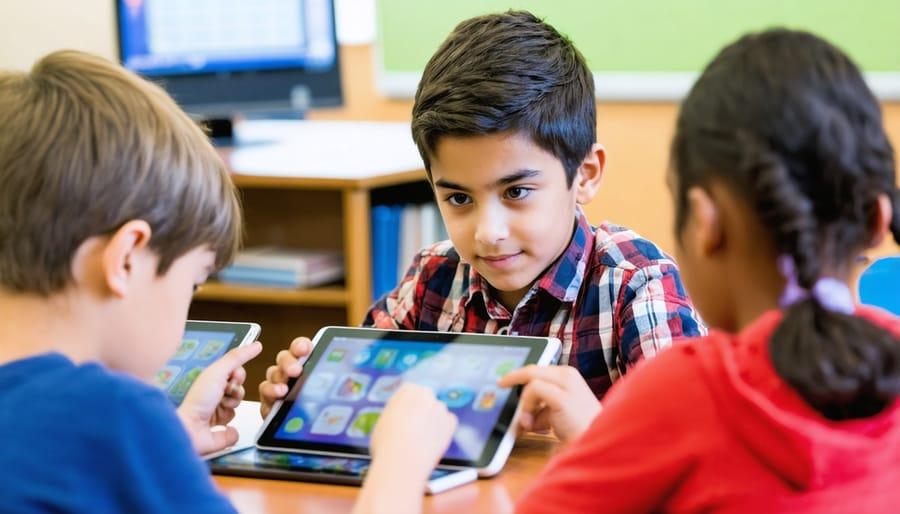
How Game-Based Learning Transforms Classrooms: Student Feedback and Insights
In today’s rapidly evolving educational landscape,game-based learning is reshaping conventional teaching methods and breathing new life into classrooms worldwide.By harnessing the power of engaging gameplay, educators are discovering innovative ways to captivate students, foster collaboration, and enhance learning outcomes. But what do students themselves think about this approach? In this comprehensive guide, we dive deep into student feedback and offer practical insights into how game-based learning is genuinely transforming classrooms.
What is Game-Based learning?
Game-based learning (GBL) refers to the integration of game elements, principles, and mechanics into the learning process to stimulate engagement and motivation.
Unlike traditional instruction, game-based learning platforms use challenges, scores, and interactivity to help students grasp complex concepts in a fun and memorable way.
- Incorporates elements like points, levels, quests, and rewards.
- Emphasizes interactive and collaborative activities.
- Supports personalized and adaptive learning experiences.
Benefits of Game-based Learning in the Classroom
Implementing game-based learning in classrooms yields a wide array of benefits for both students and educators. According to research and student feedback, here are the primary advantages:
1. Increased Engagement and Motivation
- Interactive games grab students’ attention and sustain interest in the subjects being taught.
- Game dynamics such as points and badges act as extrinsic motivators for learners of all ages.
2. Enhanced Collaboration and Teamwork
- Multiplayer educational games encourage peer learning and social interaction.
- students work together to solve problems, fostering interaction skills.
3. Improved Knowledge retention
- The active participation required by game-based activities makes concepts easier to remember.
- Immediate feedback within games helps clarify misunderstandings on the spot.
4. Safe space for Experimentation and Failure
- low-stakes environments allow students to try, fail, and try again without negative consequences.
- Encourages a growth mindset and persistence.
5. Adaptive and Personalized Learning
- Games can adapt to individual students’ skill levels and learning speeds.
- Provides opportunities for differentiation and targeting specific areas for improvement.
Student Feedback: First-Hand Experiences with Game-Based Learning
No evaluation of game-based learning is complete without hearing from those who experience it daily: the students. Below is a collection of insights and feedback gathered from a range of educational settings where game-based learning is in use.
“Math used to be boring for me, but now that we use games, it feels like playing instead of learning.I don’t get frustrated as easily, and I actually look forward to lessons.”
— Sarah, Grade 5 Student
“In our science class, we compete in teams to answer quiz questions. It helps me remember the facts better, and I like working with my friends.”
— Jake, Grade 7 Student
“When I make a mistake in a game, I just try again until I get it right. There’s no embarrassment like when you get an answer wrong in front of the whole class.”
— Maya, High school Student
Aggregated data from educator surveys and classroom studies reveal recurring positive student sentiments regarding:
- Increased enthusiasm for daily lessons
- Better understanding of difficult concepts
- More collaboration and willingness to help peers
- Greater confidence in risk-taking and creative problem-solving
Case Studies: Game-Based Learning in Action
Case Study 1: Kahoot! in Middle School Science
At Lincoln Middle School, science teachers introduced Kahoot! as a weekly quiz tool. Student participation rates soared by 35%,and test scores improved by an average of 15% over one semester. Students cited the game’s competitive and fun aspects as key motivators for reviewing material outside class.
Case Study 2: Minecraft Education Edition for Project-Based Learning
In a high school history class, students used Minecraft Education Edition to recreate ancient civilizations. Teachers observed notable improvements in critical thinking, research, and spatial reasoning. Student reflections highlighted the creative freedom and teamwork as major contributors to retention and deeper engagement.
Case Study 3: Language Learning Apps for ELL Students
English language Learners (ELL) in an elementary setting used gamified apps like duolingo and Quizlet. Students reported higher confidence in vocabulary retention and felt less anxious about making mistakes thanks to the app’s supportive, play-based environment.
Practical Tips for Integrating Game-based Learning
Educators looking to embrace digital game-based learning can benefit from these actionable strategies:
- start small: Introduce one simple game, like a digital quiz, before progressing to more complex activities.
- Align games with Learning Objectives: Ensure the chosen games reinforce curriculum goals and desired outcomes.
- gather Feedback: Regularly ask students for their thoughts to refine future activities and increase engagement.
- Encourage Reflection: After game sessions, facilitate discussions about what was learned to solidify concepts.
- Balance Competition and Collaboration: Create opportunities for both individual and team-based games to cater to diverse learning styles.
- Utilize Analytics: Use built-in game reports to monitor progress and identify areas in need of review.
- Make Inclusion a priority: Choose games accessible to all skill levels and abilities, ensuring every student can participate fully.
WordPress CSS Tip:
Use classes like.highlightor.boxedto emphasize crucial points or student quotes for better readability and engagement.
Addressing Challenges: Ensuring Effective Game-Based Learning
While game-based learning offers immense potential, effective implementation comes with challenges:
- Screen Time concerns: Set clear expectations and balance digital activities with offline collaboration and discussion.
- Resource Constraints: Choose cost-effective or free platforms that require minimal technological investment.
- Assessment Alignment: complement games with traditional assessments to ensure thorough understanding.
- Teacher Training: Invest in professional progress to familiarize staff with the latest GBL tools and strategies.
conclusion: The Future of Game-Based Learning in Education
As student feedback and case studies consistently demonstrate, game-based learning is more than a classroom trend — it’s a transformative teaching strategy with lasting positive effects. By making learning enjoyable, interactive, and student-centered, educators can unlock new levels of engagement, confidence, and achievement. Looking ahead, the integration of educational technology and game-based platforms will only gain momentum.
Whether you’re an educator, administrator, or parent, embracing game-based learning can foster lifelong curiosity and a love of learning. Treasure your students’ voices, experiment with creative tools, and watch as your classroom is transformed one game at a time.