
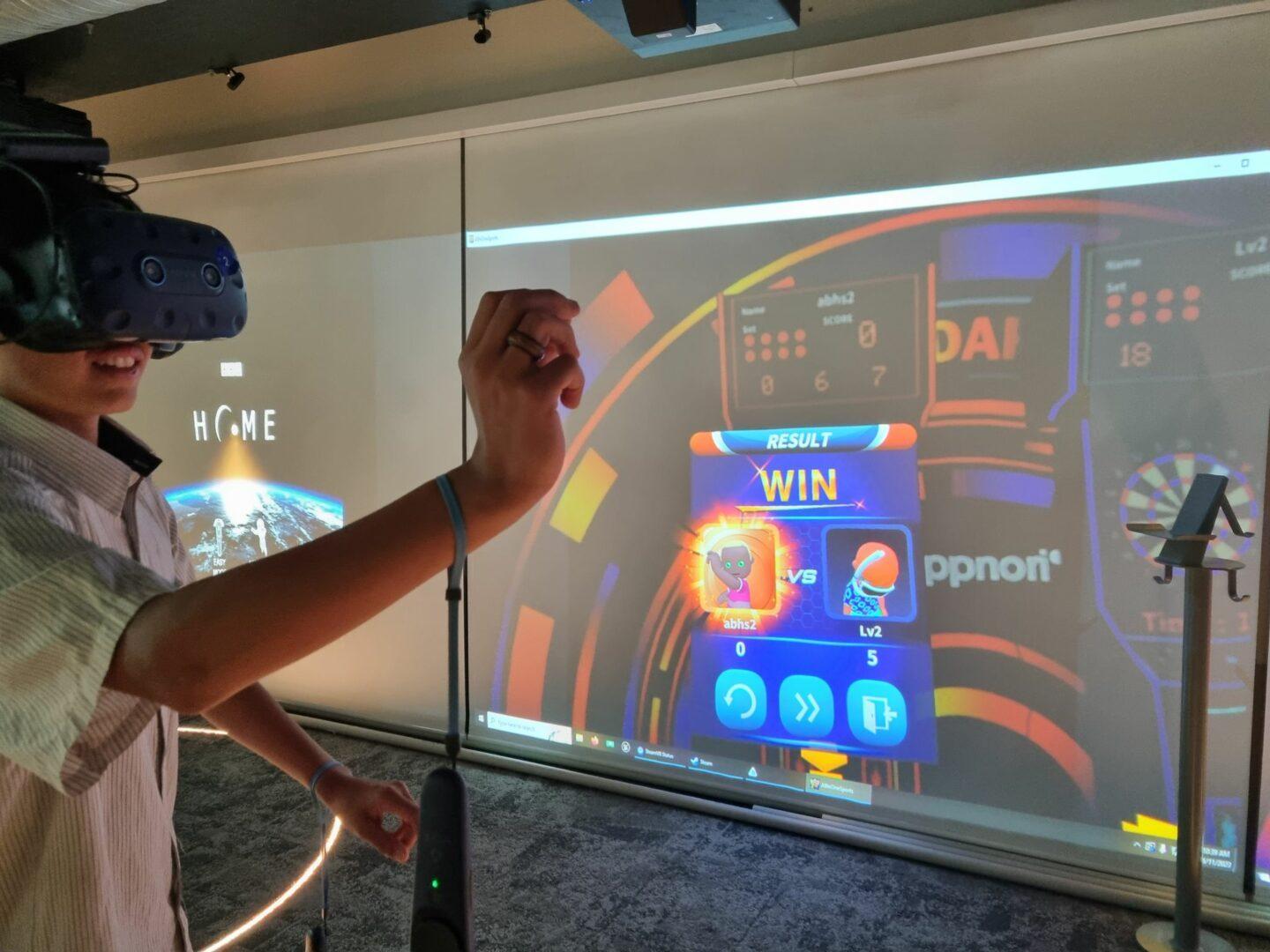
How Game-Based Learning Transforms Classrooms: Student Feedback and Key Impacts
In the evolving landscape of modern education, game-based learning (GBL) stands out as a dynamic teaching strategy that fosters engagement, motivation, and improved learning outcomes. This article delves into how game-based learning transforms classrooms, explores real student feedback, assesses key impacts, and offers practical tips for teachers and education leaders looking to embrace this digital revolution.
What is Game-Based Learning?
Game-based learning integrates educational content and game mechanics to create captivating and immersive learning experiences. Unlike traditional teaching methods, GBL leverages challenges, rewards, and storytelling elements commonly found in video games to stimulate student interest and encourage active participation.
Whether it’s digital platforms, interactive classroom activities, or collaborative competitions, GBL can be applied across various subjects, from math and science to languages and history.
Key Impacts of Game-Based Learning in Classrooms
-
Enhanced Engagement and Motivation:
Games capture student interest with interactive content,increasing attention spans and willingness to tackle complex topics.
-
Improved Knowledge Retention:
active involvement and repetition in games help reinforce concepts, leading to deeper understanding and longer-lasting knowledge.
-
Growth of 21st century Skills:
Students acquire critical thinking, problem-solving, collaboration, and digital literacy skills essential for future success.
-
Personalized Learning Pathways:
Adaptive game mechanics allow for tailored experiences that accommodate different learning paces and styles.
-
Safe Environment for failure and Experimentation:
GBL fosters a growth mindset by allowing students to learn from mistakes without the pressure of traditional grading systems.
Real Student Feedback: Voices from the Classroom
gathering authentic student feedback on game-based learning is key to understanding its true impact. Here are some firsthand insights from students who have experienced GBL:
- “Learning math through games makes it feel more like a quest than a test. I actually look forward to solving problems!” — Middle School Student
- “Group science challenges in class taught me how to communicate ideas and work together better.” — High School Student
- “If I get something wrong, I just try again until I get it right. It’s fun to see how much I improve each time.” — Elementary Student
- “Games in language class have helped me remember words much faster than memorizing from books.” — Secondary Student
These testimonials highlight the transformative power of educational games in nurturing confidence, teamwork, and enthusiasm for learning.
Benefits of Game-Based Learning for Students and Teachers
- Active Learning: GBL transforms students from passive recipients into active participants in their own education.
- Immediate Feedback: Students receive instant results, which helps them correct errors and master concepts quickly.
- inclusive Environment: Games can be adapted for diverse learning needs, making education accessible for all students.
- Increased Classroom Collaboration: Many games encourage teamwork,fostering a spirit of cooperation and shared achievement.
- Teacher Insights: Many digital GBL tools provide in-depth analytics, enabling teachers to monitor progress and personalize instruction.
Case Studies: Game-Based Learning in Action
Case Study 1: kahoot! in Middle School Science
At a suburban middle school, teachers introduced Kahoot! for formative assessment and review sessions. Students reported a 35% increase in topic recall,and teacher assessments noted improved participation rates among typically disengaged students.The competitive and collaborative aspects of Kahoot! made learning enjoyable and inclusive.
Case Study 2: Minecraft Education Edition in Primary Education
In a pilot project, primary school teachers used Minecraft Education Edition to teach history by having students reconstruct ancient civilizations. Students showcased increased creativity, problem-solving, and historical understanding. Post-program surveys showed a marked improvement in engagement and collaborative skills.
Case Study 3: Duolingo for Foreign Language Acquisition
High school language teachers adopted Duolingo as a supplemental homework tool. Students gained confidence in vocabulary and pronunciation through daily practice and gamified rewards. teachers observed higher test scores and more frequent self-directed learning.
these real-world examples demonstrate that game-based learning transforms the classroom environment, increases student engagement, and leads to better academic outcomes.
Practical Tips for implementing Game-Based Learning
- Start Small: Integrate simple GBL elements like quizzes or flashcard games before moving to more complex platforms.
- Align with Learning Objectives: Ensure that the games selected reinforce the curriculum and address specific learning goals.
- Promote Inclusivity: Choose games that accommodate varying abilities and offer team or individual play.
- Gather Feedback: Regularly seek student input to improve the GBL experience and make adjustments as needed.
- Leverage Technology: Utilize digital tools that offer tracking and analytics to monitor student progress and personalize the experience.
- Blend with Traditional Methods: Combine GBL with conventional instruction for a balanced and varied learning approach.
First-Hand Teacher Experience: Transformational Stories
“Introducing game-based activities revitalized my classroom.I witnessed reluctant learners become highly engaged, and collaborative problem-solving sessions became the highlight of our week. Students began asking for more educational games, which fueled their curiosity and made assessment enjoyable instead of stressful.”
First-hand experiences like Mrs. Carter’s are a testament to the potential of GBL to foster positive classroom conversion.
Conclusion: The future of Game-Based Learning in Classrooms
Game-based learning is no longer a novel addition—it’s a transformative force in educational settings worldwide. From increased student engagement and improved test scores to the nurturing of crucial 21st-century skills, GBL delivers far-reaching benefits for both learners and educators.
As more schools embrace this innovative approach, collecting and acting on continual student feedback will be essential for maximizing its impact. With thoughtful implementation, GBL can create classrooms where learning is exciting, meaningful, and deeply effective.
Are you ready to unlock the power of game-based learning in your classroom?