
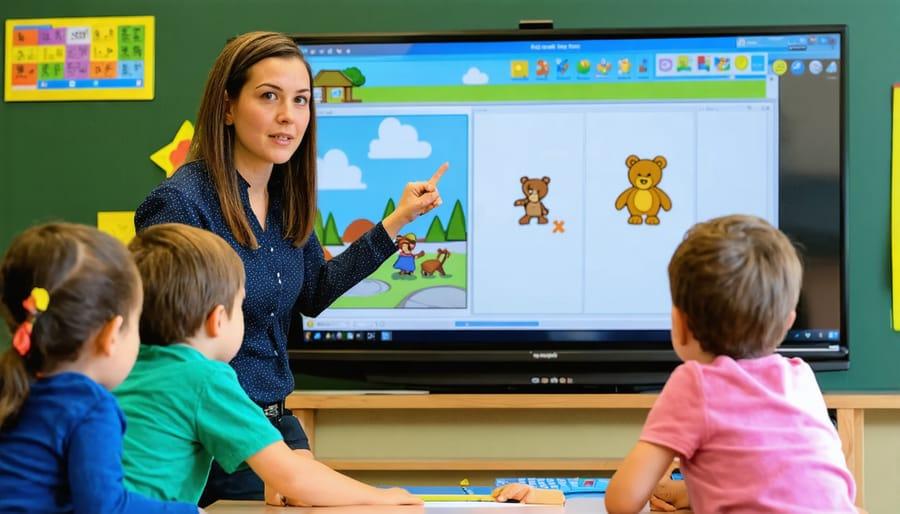
How Game-Based Learning Transforms Classrooms: Student Feedback and Real Impact
In today’s fast-evolving educational landscape, teachers and administrators are continuously seeking innovative methods to enhance student engagement and learning outcomes. Game-based learning (GBL) has emerged at the forefront of these efforts, offering interactive, dynamic, and highly effective tools for knowledge retention and skill building. With rising evidence from both classrooms and educational research, it’s clear that game-based learning is not just a trend—it’s a transformative educational paradigm.
What is Game-Based Learning?
Game-based learning refers to the use of games—whether digital or analog—as a primary instructional strategy. Designed to motivate students by immersing them in playful, challenging, and rewarding experiences, GBL leverages the principles of gaming to foster both cognitive and social growth. Unlike conventional teaching approaches, game-based pedagogy encourages students to learn through exploration, experimentation, and immediate feedback, making education more engaging and personalized.
The Benefits of Game-Based Learning in the Classroom
The impact of game-based learning goes far beyond entertainment. When implemented effectively, GBL offers a host of educational benefits that traditional teaching sometimes struggles to match. Here are key advantages, as reported by educators and supported by research:
- Enhanced Engagement: Games captivate students’ attention, making learning more enjoyable and motivating them to participate actively.
- Improved Retention: By associating details with memorable experiences, students retain knowledge longer and apply it more effectively.
- Real-Time Feedback: Immediate feedback encourages students to reflect on their decisions, learn from mistakes, and celebrate their successes.
- Advancement of 21st-Century Skills: game-based activities promote collaboration, critical thinking, problem-solving, and adaptability.
- Personalized Learning Paths: Games can adapt to different skill levels and learning paces, ensuring every student is challenged appropriately.
- Safe Habitat for Failure: Students can experiment, make mistakes, and retry without the fear of grades being negatively impacted—which fosters resilience and risk-taking.
Student Feedback on Game-Based Learning: Direct from the Classroom
To truly understand how game-based learning transforms classrooms, its crucial to listen to the primary stakeholders—students themselves.Here’s what student feedback commonly reveals:
Increased Motivation and Confidence
“I look forward to math days now because math games make solving equations fun and challenging. I’m not scared of making mistakes anymore, because I just try again and get better each time.”
— Samantha, Grade 6
Deeper Conceptual Understanding
“The science simulation game helped me understand how plants grow way better than the textbook ever did. I could experiment and see what happens when I change somthing, like sunlight or water.”
— Mateo,Grade 5
Fostering Teamwork and Social Skills
“When we played history quest games in groups,I learned how to listen to other ideas and work together to win.It made me feel like I was part of something.”
— jordan, Grade 8
Such feedback highlights that game-based learning not only supports academic growth but also nurtures critically important social-emotional skills—leading to well-rounded student development.
Real impact: Case Studies in Game-Based Learning
let’s dive into real-world examples where schools have witnessed tangible improvements after integrating game-based strategies.
Case Study 1: Mathematics Mastery through Educational Games
In a suburban elementary school, teachers introduced a suite of adaptive math games to supplement traditional lessons. Over a semester:
- Math proficiency scores increased by 20%.
- Students reported higher enjoyment and less anxiety toward math tests.
- Teachers observed increased peer collaboration and peer-led tutoring during gameplay.
Case Study 2: Language Learning with Digital Story Games
A middle school language arts class explored creative writng and comprehension via interactive story-based games. Key outcomes included:
- Improved narrative writing skills and richer vocabulary usage.
- Students with varying reading levels found personalized pathways to success.
- attendance in language classes improved by 15% over three months.
Case Study 3: STEM Engagement in Urban High Schools
High school science teachers leveraged simulation and engineering games to teach complex concepts. The results were remarkable:
- standardized STEM test scores improved by an average of 12%.
- Female students and traditionally underrepresented groups reported higher engagement and interest in STEM subjects.
- Students developed transferable skills such as systems thinking and collaborative project management.
How to Implement Game-Based Learning: Practical Tips for Educators
While the benefits of game-based learning are compelling, successful integration requires thoughtful planning. Here are actionable tips to get started:
- Identify Clear Learning Objectives: Choose games that align with your curriculum goals and reinforce desired competencies.
- Balance Digital and Analog Games: Variety keeps students engaged—combine board games, card games, and digital games for a well-rounded approach.
- Facilitate collaboration, Not Just Competition: Foster teamwork and problem-solving through cooperative games alongside competitive ones.
- Encourage Student Input: Let students suggest games or even create their own—this boosts ownership and creativity.
- Monitor Progress and Adapt: Use formative assessments or in-game analytics to track progress and adjust difficulty levels as needed.
- Ensure Inclusivity: Select games that are accessible to all learners, considering diverse abilities and backgrounds.
- Reflect and iterate: After each lesson, gather feedback from students and adjust your approach to maximize engagement and effectiveness.
popular Digital Game-Based Learning Platforms
educational technology has brought a host of powerful platforms to support GBL, including:
- Kahoot! – Interactive quizzes and games for real-time classroom engagement.
- Prodigy – Adaptive math challenges for K-8 learners.
- Classcraft – Gamifies the classroom environment, promoting positive behaviors and collaboration.
- Minecraft: Education edition – Build, explore, and learn through collaborative digital worlds.
- Quizlet – Turn vocabulary and facts into flashcards and study games.
Frequently Asked Questions (FAQs) About Game-Based Learning
- Is game-based learning suitable for all ages?
Absolutely! GBL strategies can be adapted for learners of all ages—from early childhood to adult education—by selecting age-appropriate games. - Do students really learn through games or just play?
Research shows that well-designed educational games can drive deep learning, support long-term retention, and build critical skills. - Do games replace traditional teaching?
Game-based learning works best as a complement to traditional methods, making concepts more accessible and reinforcing classroom lessons in engaging ways.
Conclusion: A new Era of Student-Centered Learning
The transformative power of game-based learning in the classroom is substantiated by both research and first-hand student feedback.As educational environments grow more diverse and dynamic, GBL provides teachers and students with the tools they need for a richer learning experience—combining knowledge acquisition, collaborative skills, resilience, and most importantly, genuine enjoyment. By thoughtfully integrating game-based activities, educators can bridge the gap between motivation and mastery, ensuring that the joy of learning remains front and center in every classroom.
If you’re ready to transform your teaching strategy and discover more innovative educational insights, explore our latest articles on game-based learning and EdTech in the classroom.