
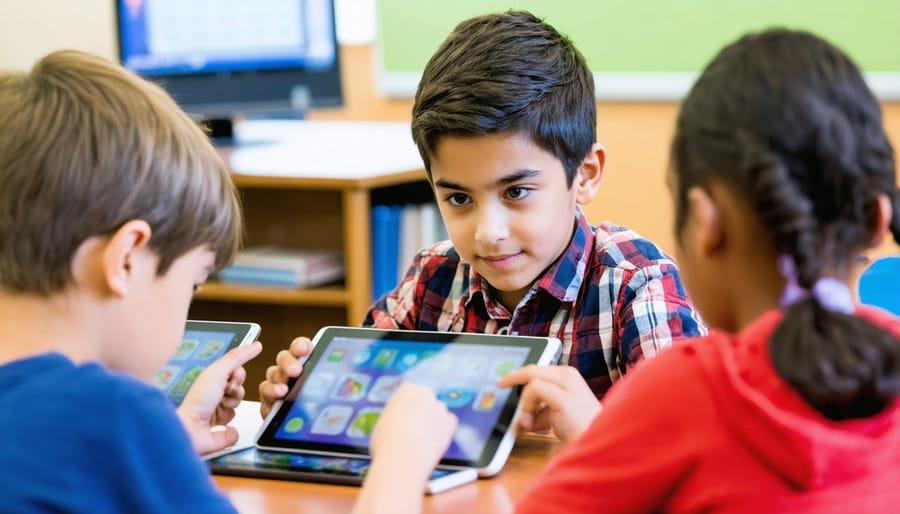
How Game-Based Learning Transforms Classrooms: Student Feedback & Impact
Game-based learning is revolutionizing education by making classrooms more interactive,engaging,and effective. as educational technologies evolve, teachers and students alike are embracing game-based learning to nurture essential 21st-century skills, foster creativity, and increase retention. This article delves into how game-based learning transforms classrooms, highlights authentic student feedback, and discusses the broad impact on learning outcomes.whether you’re an educator, administrator, or a parent, discover proven benefits, practical tips, and inspiring case studies to bring your classroom into the future.
What is Game-Based learning?
Game-based learning (GBL) is an instructional approach where students engage with game elements—such as challenges, points, levels, and rewards—to achieve specific learning objectives. Unlike traditional teaching methods, GBL transforms passive learning into active problem-solving, collaboration, and critical thinking experiences.
- Educational Games: Digital or physical games specifically designed for teaching concepts or skills.
- gamification: Incorporating game mechanics into non-game contexts, like quizzes, leaderboards, and badges, to motivate students.
By integrating these elements, game-based learning creates a dynamic classroom environment that motivates students to take charge of their education.
The Benefits of Game-Based Learning in Classrooms
Implementing game-based learning in the classroom offers numerous advantages. Here’s how it supports both educators and students:
- Enhanced Engagement: Interactive elements capture student attention better than textbooks or lectures.
- Improved Motivation & Participation: Students are naturally motivated by competition, collaboration, and rewards, increasing class participation.
- Real-time Feedback: Immediate performance feedback helps students identify strengths and areas for enhancement.
- Development of Essential Skills: Problem-solving, critical thinking, teamwork, time management, and digital literacy.
- Personalized Learning: Games can be tailored to match various learning styles and paces, providing differentiated instruction.
- Safe Space for Failure: Students can experiment, make mistakes, and try again—an essential part of the learning process.
Student Feedback on Game-based Learning
The most compelling evidence for game-based learning comes directly from students. here’s what students have to say about its impact:
“When my science teacher used Kahoot! for quizzes, I looked forward to every lesson. Competing with my friends made learning fun and I remembered more of the facts.”
– Olivia, Grade 6 Student
“Escape room math games helped me understand algebra better. I wasn’t afraid of making mistakes, and solving puzzles with my classmates made it easier to ask for help.”
– Ethan, Grade 8 Student
These testimonials highlight increased enthusiasm, reduced learning anxiety, and improved knowledge retention as direct results of using educational games in the classroom.
The Impact of Game-based Learning: Research & Case Studies
Several studies underscore the positive impact of game-based learning on academic performance and classroom culture:
-
Increased Academic Achievement:
A 2021 study published in the International Journal of Educational Technology in Higher education showed students exposed to game-based learning scored up to 20% higher on assessments than those in traditional settings.
-
Improved Collaboration:
Collaborative games, such as Minecraft: Education Edition, foster teamwork, strategic thinking, and dialog—crucial skills for the future workforce.
-
Long-term Retention:
Teachers using platforms like Quizizz and Kahoot! report higher long-term retention of core concepts due to regular repetition and engagement.
Case Study: Game-Based Learning in Practice
At Franklin middle School, teachers integrated Classcraft—a classroom management game—into their curriculum. After one semester:
- Student attendance increased by 15%.
- Disciplinary incidents dropped by 22%.
- Over 80% of students reported increased enjoyment and motivation for learning.
Such success stories demonstrate the transformative power of game-based learning in real classrooms.
Best Practices for Implementing Game-Based Learning
Ready to bring educational games into your classroom? Follow these tips to ensure effective and impactful implementation:
- align Games with Learning Objectives: Choose games that reinforce curriculum goals and skill development.
- Start Small: Integrate simple quiz games or gamified homework before scaling up to more complex systems.
- Foster Healthy Competition: Use leaderboards and rewards to motivate but avoid discouraging less competitive students.
- Encourage Collaboration: Mix individual and group activities to build teamwork and peer-learning.
- Collect Student Feedback: Regularly ask students what’s working and adapt your approach accordingly.
- Track Progress: Use analytics from platforms like Kahoot!, Gimkit, or Socrative to monitor learning outcomes and tailor instruction.
Recommended Game-Based Learning Tools & Platforms
Explore these top-rated tools to kickstart your journey:
- Kahoot!: A favorite for real-time quizzes,reviews,and polls.
- Quizizz: Allows for student-paced learning and fast assessments.
- Classcraft: Gamifies classroom management and social-emotional learning.
- Minecraft: Education Edition: an immersive, creative platform for STEM, history, and beyond.
- Brainscape: Uses game mechanics for efficient flashcard learning.
Real Classroom Experiences: Voices from Educators
Game-based learning resonates not just with students but also with teachers integrating it into their daily practice. Here are some first-hand experiences:
“After incorporating Quizizz into my weekly math lessons, I noticed a 30% increase in homework completion rates and significant growth in class camaraderie. My students are more confident and willing to participate.”
– Ms. Walker, Middle School Math Teacher
“Using Classcraft transformed even my most reluctant learners into active contributors. The classroom atmosphere is more positive, and students look forward to seeing their progress in the game.”
– Mr.Rodriguez, High School Science Teacher
Challenges and How to Overcome Them
While game-based learning offers impressive benefits, it’s critically important to address common obstacles:
- Time Constraints: Integrate games into brief segments or as homework to fit limited class time.
- Tech accessibility: Prioritize adaptable tools (e.g., mobile-friendly platforms) for diverse student needs.
- Learning Curve: Provide training for teachers and gradual orientation for students.
- Over-competition: Emphasize personal growth and effort as well as winning.
Conclusion: The Future of Game-Based Learning
Game-based learning is more than just a trend—it’s a transformative educational strategy backed by research, educator enthusiasm, and, most importantly, student engagement and success. By integrating well-chosen educational games and regularly gathering student feedback, teachers can foster a vibrant, future-ready classroom culture.
With the wealth of accessible,impactful tools and strategies available today,it’s never been easier to enrich your classroom,boost academic achievement,and inspire a lifelong love of learning. start small, listen to your students, and watch as game-based learning transforms your educational environment for the better.