
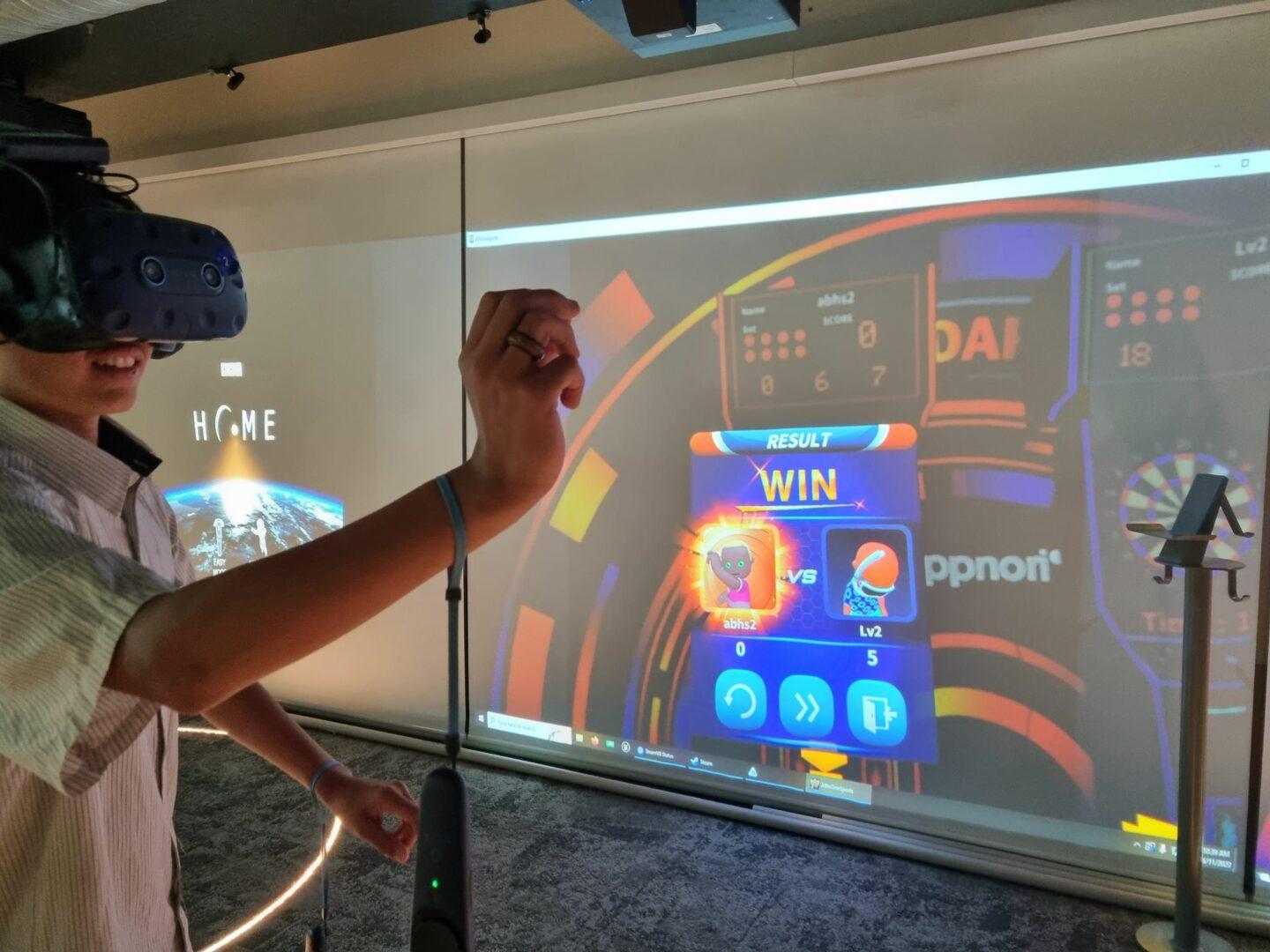
How Game-Based learning Transforms Education: Student Feedback and Impact Explored
Introduction: The Rise of Game-Based Learning
In today’s ever-evolving educational landscape, game-based learning (GBL) is breaking conventional boundaries and redefining how students acquire knowledge and skills. The integration of games in education, whether digital or analog, has emerged as a dynamic tool for engagement, motivation, and deep learning. But what is the real impact of game-based learning on students? What do they think about it? And how is game-based education changing classrooms around the world? This article dives deep into students’ feedback, explores research-backed outcomes, and offers actionable tips for teachers and educational institutions seeking to harness the transformative power of GBL.
What is Game-Based Learning?
Game-based learning is an instructional approach that incorporates game elements such as point scoring, competition, rules of play, and problem-solving into the learning environment. Unlike traditional methods, game-based learning uses the immersive nature of games to boost participation, retention, and cognitive growth. It can take many forms:
- Educational video games (digital game-based learning)
- Board and card games designed for classroom use
- Role-playing and simulation activities
- Gamified LMS platforms and online quizzes
Through these methods, both complex concepts and everyday skills become more approachable, memorable, and engaging for students of all ages.
Benefits of Game-Based Learning: Why it effectively works
Numerous studies and real-world classroom experiences highlight the benefits of game-based learning in enhancing educational outcomes.Here’s how GBL is making a difference:
- Increased Engagement: Games captivate learners’ attention, making lessons more interactive and fun.
- Enhanced Motivation: Immediate feedback, rewards, and challenges foster greater intrinsic motivation.
- Deepened Understanding: Game-based scenarios require critical thinking, problem-solving, and application of knowledge.
- Personalized Learning: Adaptive games adjust to individual skill levels and learning paces.
- Social Skills Development: Multiplayer or team-based games promote collaboration, dialogue, and healthy competition.
- Improved Retention: Games use repetition and real-world application, which helps with long-term memory retention.
When strategically implemented, game-based learning not only supports academic achievement but also nurtures vital 21st-century skills.
Student Feedback: Insights from the Classroom
Student voices offer invaluable evidence about the true impact of game-based education. here’s what students commonly express:
Positive Student Perspectives
- “Games make lessons less boring and more exciting.”
- “I feel like I’m actually learning, not just memorizing answers.”
- “When I make mistakes, the game shows me what I did wrong and lets me try again.”
- “Playing in teams helps me make friends and learn to work together.”
Areas for Betterment: Student Suggestions
- “Sometimes the instructions are confusing at first.”
- “Not all games match my learning style.”
- “I wish there were more challenging levels for advanced learners.”
These feedback points suggest that, when thoughtfully designed and well-explained, game-based learning can maximize engagement and educational value for most students.
Case Studies: Real-World Impact of game-Based Learning
Case Study 1: Minecraft Education Edition in Middle School STEM
At a public middle school in Texas, teachers integrated Minecraft education Edition into their STEM curriculum. Over a semester,students worked collaboratively to build eco-pleasant cities and solve engineering challenges.Results included:
- A 20% increase in science test scores
- Improved teamwork and communication skills
- Enthusiastic participation from students who previously struggled with STEM subjects
Case Study 2: Kahoot! in Language Learning
A high school Spanish class used Kahoot! for weekly vocabulary reviews. Surveys and assessments found:
- Higher vocabulary retention rates than traditional quizzes
- Lower student anxiety around assessments
- Positive feedback from both students and parents
Case Study 3: First-Hand Teacher Experience
“I’ve seen shy students come out of their shells during class games. The room buzzes with energy, and students are more eager to participate and ask questions.”
— Ms. L. Carter, 5th Grade Teacher
Research Findings: The Measurable Impact
Academic research validates the impact of game-based learning on education. Studies from Harvard University, the University of Wisconsin, and others reveal that:
- Students in game-based learning environments score higher on knowledge assessments compared to peers in traditional classrooms.
- GBL can help bridge achievement gaps for marginalized or special needs students by fostering inclusion and adaptability.
- Teachers observe improvements in classroom behavior and student confidence.
These findings confirm what student feedback and case studies suggest: game-based learning is a powerful force in modern education.
Practical Tips: How to Implement Game-Based Learning Effectively
Here are practical, research-backed steps for educators and school leaders to ensure prosperous game-based learning implementation:
- Set Clear Learning Objectives: Align games with specific educational goals to ensure purposeful engagement.
- balance Play and Instruction: Use games as a supplement, not a replacement, for varied teaching strategies.
- Select Age-Appropriate Games: Choose or adapt games that suit the cognitive and social development level of students.
- Encourage Reflection and Discussion: After gameplay, facilitate discussions or activities that deepen understanding.
- Gather Ongoing Feedback: Regularly survey students for their input to refine and enhance the gaming experience.
- Invest in Teacher training: Equip educators with the skills and resources to integrate games confidently and effectively.
Conclusion: The Future of Game-Based Education
Game-based learning is more than just a trend—it is reshaping the fabric of education by making it more engaging, inclusive, and effective. Student feedback and research both underscore its positive impact on motivation, achievement, and holistic development. As technology evolves and educational needs shift, GBL is poised to become a cornerstone of innovative, student-centered learning environments.
For educators and administrators, embracing game-based education means opening doors to new pedagogical horizons. By listening to student feedback and implementing best practices, schools can provide richer, more meaningful learning experiences that prepare students for success in the 21st century.