
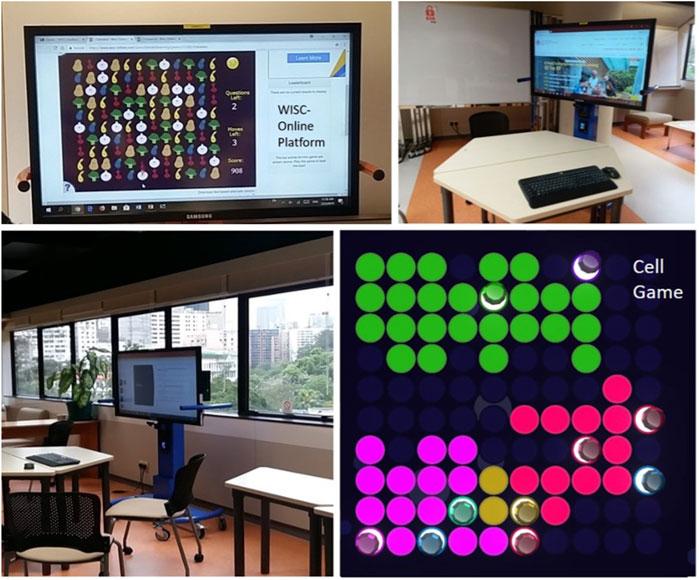
How Game-Based Learning Transforms Education: Student Feedback and Outcomes
game-based learning is revolutionizing education in ways traditional teaching methods never coudl. By making learning more interactive and fun, educational games are captivating students and driving remarkable learning outcomes. But how exactly does game-based learning in education impact students and what do learners themselves have to say? In this complete guide, we’ll explore the benefits of game-based learning, real student feedback, evidence-based outcomes, and best practices for teachers and schools.
What is Game-Based Learning?
Game-based learning (GBL) is an educational strategy were games or game-like elements are integrated into the learning process. Unlike gamification—which adds point systems or leaderboards to existing content—GBL uses the structure and mechanics of games to support student learning through immersive, interactive experiences.
- Computer and video games designed for educational purposes
- simulation games for real-world scenarios (e.g., economics, science labs)
- Board games and card games adapted for classroom objectives
- Mobile learning apps that feature game mechanics
key elements include measurable objectives, feedback systems, challenge, and opportunities for collaboration—linking directly to higher student engagement and improved knowlege retention.
Benefits of Game-Based Learning in Education
Numerous studies and student testimonials have shown that educational games bring tangible benefits across grade levels and subjects:
- enhanced motivation: Students find learning more enjoyable and engaging.
- Active participation: Games require active involvement, improving attention and focus.
- Immediate feedback: Learners see the results of their actions right away, enabling quick correction.
- Safe space for failure: Unlike tests, games allow students to take risks and learn from mistakes without penalty.
- Personalized learning: Many educational games adapt to individual skill levels and learning pace.
- 21st-century skills: Critical thinking, collaboration, and problem-solving are built into many game-based learning activities.
“I always struggled with math, but using apps that felt like games made learning times tables fun and less scary.”
— Maya, 6th grade student
Real Student Feedback on Game-Based Learning
The most compelling evidence for the effectiveness of educational games is direct student feedback. Here’s what learners typically say about game-based learning strategies:
The fun Factor
- “It doesn’t feel like homework!” Games transform traditional assignments into enjoyable challenges, reducing boredom and stress.
- Social connection: Multiplayer games encourage peer communication, making learning a shared adventure.
Sense of Achievement
- Progress you can see: Earning rewards, badges, or new levels provides tangible proof of improvement.
- Resilience: Students become more willing to try again after setbacks, thanks to the low-stakes nature of games.
“Science class was always tough for me, but building a virtual ecosystem and watching it thrive gave me the confidence to keep trying.”
— Daniel,9th grade student
Improved Comprehension
- Deeper engagement: Many students report better conceptual understanding after playing simulation or puzzle games related to curriculum topics.
- Practical request: Students can experiment and apply new knowledge immediately, helping them connect theory with real-life scenarios.
Case Studies: Game-Based Learning Success Stories
1. Minecraft: Education Edition in Elementary Classrooms
Schools worldwide have integrated Minecraft: education Edition to teach math, history, and even language arts. Teachers report that reluctant learners participate more enthusiastically, and students demonstrate increased collaboration and creativity.
2. Medical training Simulations
In higher education, medical students use game-based simulation software to practice diagnostics and surgical skills. Data shows these students retain information better and feel more prepared for real-life scenarios.
3. Kahoot! Quizzes in Secondary Schools
Kahoot! and similar platforms turn test review sessions into lively game shows.Research and teacher feedback indicate a notable boost in student motivation and class participation.
learning outcomes: What the Research Shows
- Retention Rates: Studies find retention rates can improve by 25% or more when students engage with content through educational games (Edutopia).
- Performance Improvements: Game-based learning environments often lead to higher test scores, notably in mathematics, science, and language learning.
- Soft Skills: Students exposed to collaborative educational games develop critical thinking, empathy, and communication skills.
- Equity and Inclusion: Interactive games can close achievement gaps by catering to diverse learning styles and breaking down barriers for struggling students.
“When students are given a chance to learn through play, the impact goes beyond grades—they gain confidence and a love for lifelong learning.”
— Dr. K. Roberts,Educational Psychologist
Practical Tips for Implementing Game-Based Learning
- Select age-appropriate games: Choose games tailored to curriculum standards and student maturity.
- Balance gaming with traditional methods: blend game-based activities with lectures, discussions, and hands-on projects.
- Set clear learning objectives: Ensure every game aligns with measurable educational goals.
- Encourage reflection: After playing, prompt students to discuss what they learned and how it applies to real-world situations.
- Monitor progress: Use in-game assessments and analytics to track student growth.
- Foster collaboration: Utilize multiplayer or team-based games to build social and communication skills.
First-Hand Experience: Teacher and student Perspectives
Many educators have shared transformative stories about integrating game-based learning in their classrooms. Here’s what one teacher had to say:
“Since introducing educational games into my lesson plans, classroom participation has skyrocketed. Even my shyest students feel agreeable contributing. Test scores and attitude toward learning have both improved noticeably.”
— ms. Herrera, Middle School Science Teacher
Students echo this enthusiasm:
“I used to dread history class, but when we started using role-playing games to learn about ancient civilizations, it became my favorite subject.”
— Emily, 7th grade student
conclusion: The Future of Game-Based Learning in Education
Game-based learning is more than just a trend—it’s a powerful tool for transforming the educational landscape. Student feedback is overwhelmingly positive, and research consistently points to measurable improvements in both academic performance and essential life skills. As technology advances and more high-quality educational games emerge, schools and educators would be wise to embrace game-based learning strategies for maximum student success. By making learning engaging, personalized, and interactive, we are not just teaching content—we are preparing students for a lifelong journey of curiosity and discovery.
If you’re an educator or parent considering game-based learning, now is the perfect time to explore this dynamic educational approach. Listen to student feedback, observe outcomes, and discover how educational games can transform your classroom or home learning surroundings.