
How Global Policies are Shaping the Future of Education: Trends and Impacts Worldwide
Education is rapidly evolving,driven by a complex web of global policies and international efforts.From UNESCO’s Sustainable Development Goals to pioneering digital learning initiatives, the future of education is being shaped on an unprecedented scale. This article explores how global education policies impact schools, teachers, and students worldwide, highlighting key trends, benefits, and actionable strategies for stakeholders in the sector.
Understanding Global Education Policies
Global education policies are extensive frameworks set by international organizations, governments, and advocacy groups. Their goal is to standardize and enhance the quality, accessibility, and equity of education across borders. These policies are instrumental in addressing challenges like:
- Inconsistent access to quality education
- Digital divide and technological advancements
- Curriculum modernization
- Teacher training and professional standards
- Equity and inclusivity in classrooms
- Preparing students for a globalized workforce
Key Global Trends Shaping Education
1.Emphasis on Sustainable Development Goals (SDGs)
Since the adoption of the UN Sustainable Development Goal 4 (SDG 4), which seeks to “ensure inclusive and equitable quality education and promote lifelong learning opportunities for all,” countries have realigned their educational strategies. This global target pushes for:
- Global primary and secondary education
- Access to affordable technical,vocational,and tertiary education
- Elimination of gender disparities
- Promotion of skills relevant to employment,decent jobs,and entrepreneurship
2. Integration of Digital Learning Technologies
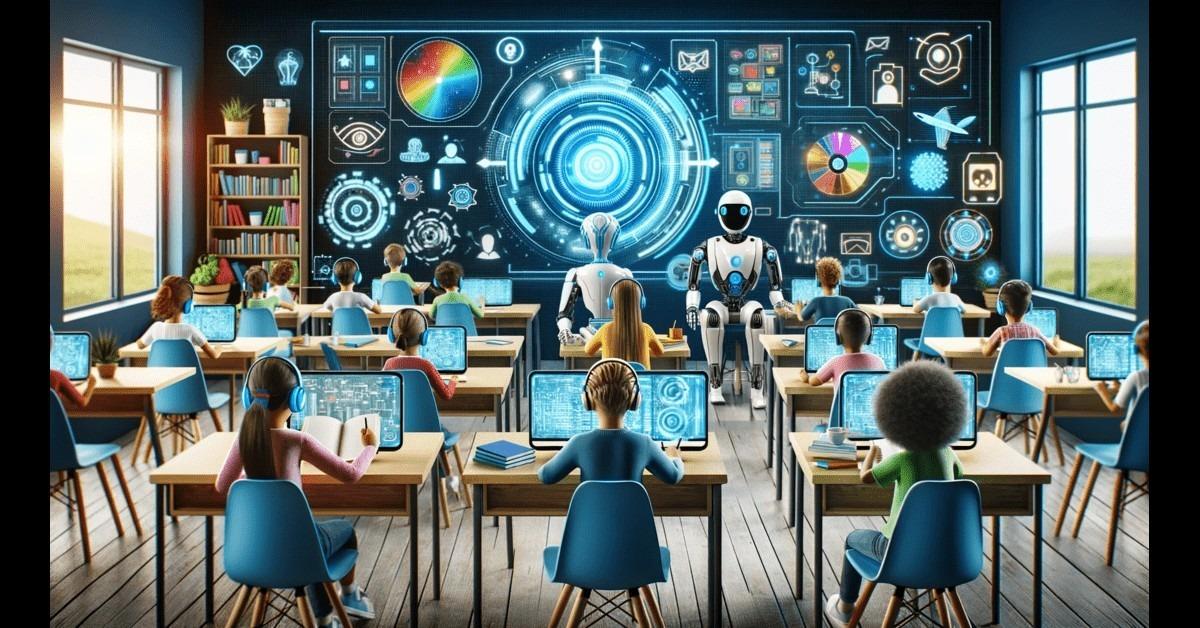
The global push towards EdTech—propelled by policies from UNESCO, the OECD, and World Bank—has transformed conventional learning processes.As a result:
- Blended and remote learning models have become standard in many regions
- Education systems are investing in infrastructure and digital literacy
- Cross-border collaborations enable access to international curricula and virtual classrooms
3. Focus on Inclusive and Equitable Education
global policies emphasize equity in education, aiming to address disparities based on gender, disability, and economic status. Initiatives such as the UNESCO Global Education monitoring Report advocate for:
- Supporting marginalized communities
- Ensuring accessibility for learners with disabilities
- Promoting multilingualism and cultural exchange
4. Teacher Professionalization and Development
International education policies foster teacher training and continual professional development.With changing curricula and pedagogies, global standards help educators adapt and thrive in diverse environments.
Impacts of Global Education Policies: Case Studies
these policies have led to notable transformations in education systems around the world. Let’s examine a few standout examples:
A. Finland: Pioneering Curriculum Reform
Finland’s education policy aligns closely with international standards, focusing on holistic learning and student well-being. Its globally recognized success is attributed to:
- Teacher autonomy and rigorous training requirements
- Low-stress, high-engagement classrooms
- Integration of digital and personalized learning environments
B. Rwanda: Empowering through Technology
With support from UNESCO and World Bank, Rwanda’s “One Laptop Per Child” initiative is a model for digital inclusion. It demonstrates how global policies can:
- Bridge the digital divide in developing regions
- Increase student engagement and achievement
- Build foundational digital skills for the future workforce
C. Singapore: Global Citizenship education
Singapore incorporates global citizenship education across curricula, inspired by international dialogues. this equips learners with:
- Cross-cultural dialog skills
- Critical thinking and adaptability
- Awareness of global issues like sustainability and human rights
Benefits of Global Education Policies
Adopting international education frameworks offers substantial advantages:
- Consistency: Ensures the quality of education, nonetheless of national borders
- Increased Opportunity: Prepares students for global employment markets
- Cultural Exchange: Fosters understanding and peace through diverse learning environments
- Accessibility: Diminishes barriers related to gender, disability, and socio-economic status
- Innovation: Promotes adoption of educational technologies and best practices worldwide
Practical Tips to Navigate global Educational Changes
For educators, policymakers, and parents navigating this changing landscape, here’s how to stay proactive:
- Stay Informed: Regularly review updates from major organizations (UNESCO, world Bank, OECD)
- Embrace technology: Incorporate digital tools and resources in classrooms
- Focus on Lifelong Learning: Encourage skills development beyond formal education
- Foster Inclusivity: Create learning environments that celebrate diversity and accommodate different needs
- Collaborate Globally: Seek partnerships with international schools, educators, and institutions to share best practices
First-Hand Experience: Voices from the Field
Insights from students, teachers, and education leaders worldwide reveal the real-world effects of global policies:
“Our school’s adoption of UNESCO guidelines meant more focus on student well-being and critical thinking. The shift has been challenging, but our students are now better prepared for the future.” – Maria, Teacher, Spain
“Digital learning has opened up doors for me that I never believed possible. I can now interact with classmates and teachers from different countries!” – John, Student, nigeria
Conclusion: The Path Ahead for Global Education
Global policies will continue to shape the future of education—from curriculum reform to digital innovation and inclusive pedagogy. As educators, policymakers, parents, and students embrace these changes, the focus must be on adaptability, collaboration, and continuous betterment. By working together and learning from international best practices,we can ensure that the future of education is more equitable,innovative,and sustainable for learners worldwide.
Stay tuned to emerging global education trends to keep your community ahead in a rapidly transforming world—and help shape an education system that empowers every learner for lifelong success.