
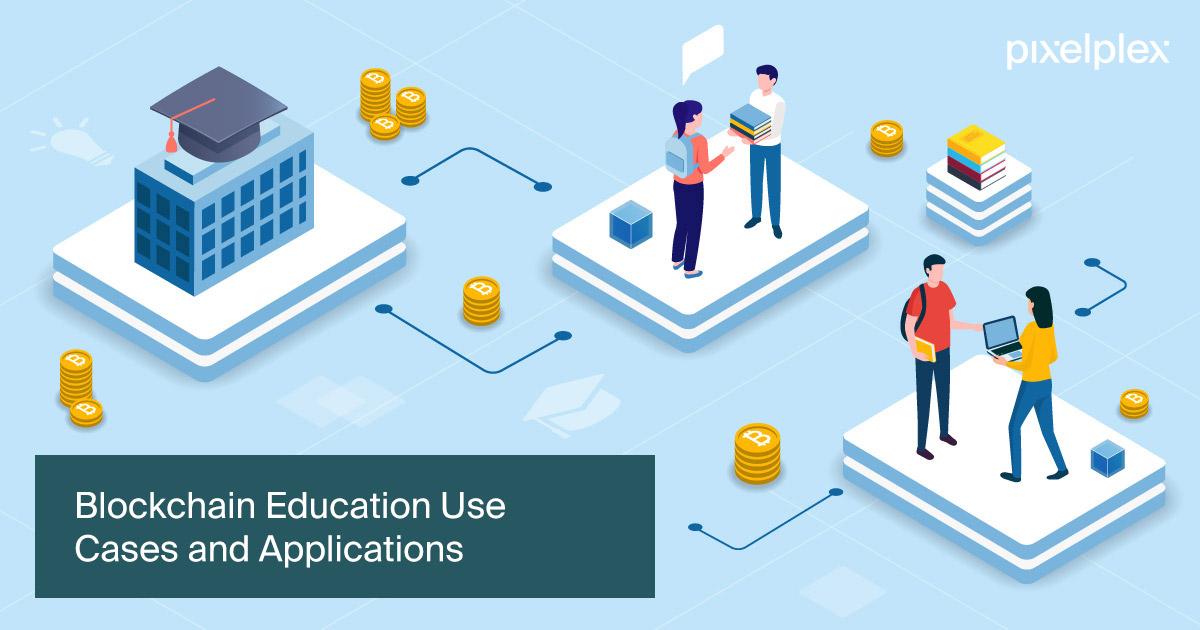
How Implementing Blockchain in Educational Institutions Can Transform Learning and Credentials
Introduction: The Dawn of Blockchain in Education
technology has always played a pivotal role in shaping the future of education,from the introduction of computers in classrooms to the widespread adoption of e-learning platforms. Today, blockchain technology is set to redefine the landscape once more. By implementing blockchain in educational institutions, schools, colleges, and universities can revolutionize how learning is delivered, credentials are managed, and trust is established in academic achievements. In this article, we explore the transformative potential of blockchain technology in education, focusing on its benefits, applications, and practical implementation strategies.
What Is blockchain Technology?
Before diving into its educational applications,it’s important to understand blockchain technology. At its core, blockchain is a distributed, immutable digital ledger. Details is stored across a network of computers, making it clear, secure, and tamper-resistant. Originally powering cryptocurrencies, blockchain’s potential extends far beyond finance — including revolutionizing the way educational credentials and records are stored and shared.
Why Implement Blockchain in Educational Institutions?
The implementation of blockchain in educational institutions addresses several long-standing challenges:
- Credential Forgery: Blockchain-secured certificates are immutable and instantly verifiable, making it nearly unachievable to forge academic records.
- Complex Verification Processes: Employers and other academic bodies can quickly verify credentials without contacting multiple registrars.
- Data Privacy: Students control who has access to their credentials, enhancing privacy and security.
- Lack of Clarity: Blockchain offers a transparent and trustworthy system for managing academic achievements and learning paths.
Key Benefits of blockchain in Education
Integrating blockchain into educational institutions brings several transformative benefits:
1. Tamper-Proof Academic Credentials
Blockchain enables the issuance of digital certificates and diplomas that are virtually impossible to counterfeit.Each credential can be independently verified, ensuring authenticity and eliminating the risks of fraudulent qualifications.
2. Streamlined Verification Processes
Customary verification of degrees and transcripts can take weeks. With blockchain, verification can happen in seconds—employers, institutions, and students simply check the blockchain record to confirm the credential.
3. Enhanced Data privacy and Ownership
Students own their academic data and decide who can access their information. Blockchain’s cryptographic features ensure that personal and academic information is securely stored and shared.
4. Encouraging Lifelong Learning and Micro-Credentials
Blockchain can store micro-credentials, badges, continuing professional development (CPD) credits, and non-traditional learning achievements, supporting the shift towards lifelong and flexible education.
5. Increased trust Across Borders
For international students and institutions,blockchain helps overcome issues of credential translation and trust.Blockchain-backed qualifications can be universally recognized, simplifying global admissions and recruitment.
Practical Applications: How Blockchain is Used in Education
- digital Diplomas & Certificates: Institutions can issue graduates a digital diploma on the blockchain, easily shareable with employers and universities.
- Secure Transcript Management: Complete academic records, including grades and assessment outcomes, can be securely stored on the blockchain.
- Tracking Learning Progress: Students can curate a verifiable portfolio of achievements,including internships,extracurricular activities,and online courses.
- Credential Portability: Learners maintain control of their digital identities, easily transferring credentials between institutions or countries.
- Academic Publishing & Peer Review: Blockchain can track publication records and peer review processes, ensuring transparency and recognition.
Case Studies: Blockchain in Action Across the Education Sector
several institutions worldwide have already begun implementing blockchain technology, offering valuable lessons and inspiration:
The Massachusetts Institute of Technology (MIT)
MIT introduced the Blockcerts platform, enabling graduates to receive their diplomas in digital formats stored on the blockchain. This initiative has inspired universities globally to adopt similar blockchain-based credentialing.
University of Nicosia, Cyprus
As a blockchain pioneer, the University of Nicosia issues digital certificates for its blockchain courses, making verification seamless for employers and graduates alike.
sony Global Education
Sony’s blockchain platform allows for secure sharing of educational attainment and student progress across institutions and countries, bridging the gap between formal and informal learning.
Practical Tips for Implementing Blockchain in Educational Institutions
Schools and universities interested in adopting blockchain can consider the following steps:
- Identify Key Use Cases: Start by selecting areas where blockchain has the highest impact,such as issuing digital diplomas or managing student transcripts.
- Choose the Right Blockchain Platform: Evaluate open-source platforms like Blockcerts or commercial solutions based on security, scalability, and compatibility with existing systems.
- Engage Stakeholders: Involve IT, administration, faculty, and student representatives early in the process.
- Pilot and Scale: Launch a pilot program with a single course or department before scaling across the entire institution.
- Ensure Compliance: Consider legal and data protection standards in your jurisdiction (GDPR, FERPA, etc.).
- Promote Awareness: Educate students, faculty, and employers about the benefits and usage of blockchain credentials.
Challenges and considerations
While blockchain offers transformative potential, ther are challenges to address:
- Technical Complexity: Building or integrating blockchain solutions requires specialized expertise.
- Adoption Barriers: Institutions, employers, and government bodies need to recognize and accept blockchain-backed credentials.
- cost: Initial implementation may require investment in infrastructure and training.
- Data Privacy: it’s crucial to ensure personal data on the blockchain complies with privacy laws and best practices.
However, with careful planning and collaboration, these challenges can be overcome, paving the way for a more secure, transparent, and equitable education system.
Conclusion: The Future of Learning and Credentials with Blockchain
Implementing blockchain in educational institutions has the power to transform the way learning is delivered, recorded, and recognized. With features like tamper-proof credentials, real-time verification, and enhanced data ownership, blockchain can rebuild trust in academic achievements and foster lifelong learning. As the education sector continues its digital change,blockchain technology stands out as a key tool for innovation,equity,and student empowerment. Institutions that embrace blockchain today will lead the way in tomorrow’s education landscape—making learning more transparent, accessible, and future-proof.