
How Implementing Blockchain in Educational Institutions is Revolutionizing Academic Processes
In a rapidly advancing digital era, educational institutions constantly seek innovative solutions to improve academic workflows, guarantee academic integrity, and ensure secure record-keeping. Blockchain technology is emerging as a game-changer in education, transforming how data is managed, credentials are verified, and trust is established among stakeholders. In this comprehensive guide, we’ll explore how implementing blockchain in educational institutions is revolutionizing academic processes, highlighting its benefits, real-world applications, and practical tips for seamless integration.
What Is Blockchain Technology?
Blockchain is a decentralized,distributed digital ledger technology that securely records transactions across multiple computers. Its immutable and transparent nature ensures data integrity, making it especially valuable in environments where trust, security, and authenticity are paramount. In education, blockchain can automate and secure processes like student record management, credential verification, and academic transactions.
Why Are Educational Institutions Turning to Blockchain?
- Enhance Data Security: Protect student data and academic records from tampering and unauthorized access.
- Boost Transparency: Offer clear, accountably managed records to students, faculty, and employers.
- Automate Verification: Simplify the validation of diplomas, certificates, and academic achievements.
- Reduce Administrative Costs: minimize paperwork and manual processes with digital solutions.
- Support Lifelong Learning: Let learners securely store and share achievements throughout their careers.
Key Benefits of Blockchain in Academic Processes
Implementing blockchain technology in educational institutions opens up a new era of possibility and efficiency. Here are the major advantages:
1. Tamper-Proof Academic records
blockchain ensures that once information is recorded—such as grades, attendance, or degrees—it cannot be altered or forged, thus boosting trust among stakeholders.
2. Streamlined Credential Verification
with blockchain, graduates can quickly share verified digital diplomas and certificates with employers or other institutions. This eliminates the frequently enough slow and costly process of manual record validation.
3. Enhanced Student Data Privacy
The technology gives students more control over who accesses their personal and academic data, complying with privacy regulations like GDPR and FERPA.
4. Automated Smart Contracts
Smart contracts facilitate automated enrollment, tuition payments, scholarship management, and credit transfers, reducing administrative overhead and potential for errors.
5. Increased Access and Mobility
Students benefit from verified learning history that’s internationally recognized, aiding both academic transfers and job applications across borders.
Innovative Use Cases of Blockchain in Education
- Issuing Digital Diplomas: leading universities like MIT use blockchain to issue blockchain-based diplomas to graduates, enabling instant, secure, and globally recognized proof of qualification.
- Secure Student-ID Systems: Blockchain-powered digital identities streamline enrollment, access to campus facilities, and digital learning environments.
- Transparent Academic Credit transfers: Students transferring between institutions can have their courses and credits instantly verified and credited, without bureaucratic delays or inconsistencies.
- Verifiable Attendance Tracking: Smart contracts automate attendance and participation tracking in both physical and virtual classrooms, reducing disputes.
- publishing and Peer Review: Blockchain secures research publications and peer review processes, ensuring authenticity and reducing plagiarism.
First-Hand Experience: Blockchain in Action
“As the Registrar at a major European university, switching to blockchain for degree management has been transformative. Employers no longer contact our office to verify alumni credentials—they can instantly validate their authenticity online, saving time for everyone involved.”
real-world adoption stories like Alexandra’s highlight how blockchain reshapes traditional academic processes,making them faster,more reliable,and less resource-intensive.
Case Study: Massachusetts Institute of Technology (MIT)
MIT’s Digital Diploma Pilot allows students to receive their certified diplomas on a blockchain-based wallet. This initiative not only streamlines verification for employers worldwide but also empowers graduates by placing ownership of credentials directly into their hands. The result? Greater mobility and drastically reduced credential fraud.
Results
- Processing time for document requests reduced from days to minutes.
- 100% reduction in manual verification workload for administrative staff.
- Enhanced reputation for technological leadership among institutions.
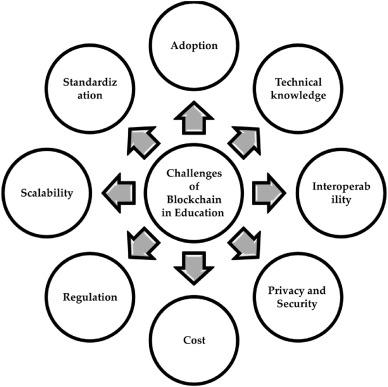
Challenges and Considerations
While blockchain in education offers tremendous promise, institutions shoudl prepare for several challenges during implementation:
- Technical Complexity: Integrating blockchain with legacy systems may require investment in technology and expertise.
- Regulatory Compliance: Adhering to educational and data privacy laws is essential to protect student rights.
- Scalability: Ensuring systems can handle large student bodies and multiple use cases.
- Change Management: Training staff and educating users on new digital processes is critical for widespread adoption.
Practical Tips for Educational Institutions
- Start Small: Pilot blockchain applications with limited use-cases, such as issuing digital certificates or streamlining transcript requests.
- Engage Stakeholders: Involve faculty, students, IT teams, and employers early on to ensure buy-in and smoother transition.
- choose the Right Platform: Assess different blockchain options (e.g.,Hyperledger,Ethereum) for compatibility and scalability.
- Prioritize Data Privacy: Consult with privacy experts to adopt robust security measures that comply with regulations.
- Invest in Training: Provide thorough training and resources for staff and students to familiarize them with new digital tools.
The Future of Blockchain in Education
As blockchain technology matures, its applications in the education sector will continue to expand, including AI-driven personalized learning, global learner records, and seamless international student mobility. Institutions that adopt blockchain early will be at the forefront of transparency, efficiency, and innovation, offering their students and stakeholders unmatched value.
Conclusion: Blockchain—A Catalyst for Academic Innovation
the integration of blockchain in educational institutions is not just a technological upgrade—it’s a revolution. by safeguarding academic records,automating administrative processes,and empowering students with ownership of their learning data,blockchain is setting a new standard for trust and efficiency in education. As more schools, colleges, and universities embrace this revolutionary technology, the entire landscape of academic processes will change for the better, unlocking new opportunities for learners and educators worldwide.
If you’re an educational leader or decision-maker,now is the perfect time to explore how blockchain can future-proof your institution’s academic processes,enhance student satisfaction,and strengthen your reputation for innovation.