
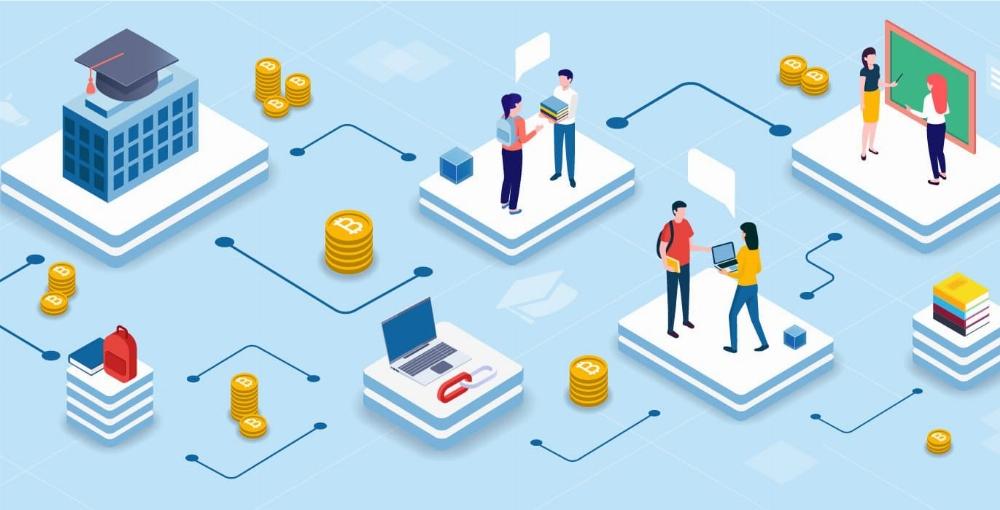
How Implementing Blockchain in Educational Institutions is Revolutionizing Learning and management
In recent years,blockchain technology has evolved beyond its original role as the backbone of cryptocurrencies. Today, its driving innovation across numerous sectors—including education. Implementing blockchain in educational institutions is transforming the way we approach learning, credentialing, and management. This article explores how blockchain is creating a paradigm shift in the educational landscape, reviews real-life case studies, and provides actionable tips for institutions looking to adopt this cutting-edge technology.
What is Blockchain Technology?
Blockchain is a decentralized, distributed ledger technology that allows data to be recorded securely, transparently, and immutably.Originally conceived for financial transactions, blockchain enables digital records that are resistant to tampering or unauthorized alterations—features especially valuable for educational management systems.
Key Benefits of Implementing Blockchain in Education
Integrating blockchain into educational systems provides a host of benefits, impacting everything from academic recordkeeping to digital learning environments. Here are key advantages driving its widespread adoption:
- Enhanced Data Security: Immutable records reduce the risk of data breaches and fraudulent activities related to certificates, transcripts, and records.
- Efficient Credential Verification: Blockchain enables instant verification of degrees, diplomas, and other academic achievements, streamlining processes for employers and institutions alike.
- Decentralized Learning Platforms: Students gain ownership of their learning pathways and achievements, wich can be accessed and shared globally.
- Increased Openness: Blockchain fosters trust among students, educators, and administrative staff by making processes more obvious and auditable.
- Cost Reduction: Automating administrative processes minimizes paperwork,reduces overhead,and saves valuable resources.
Revolutionizing Learning Through Blockchain Implementation
1. Digitized and Secure Academic Records
Storing academic records on blockchain means transcripts, certifications, attendance logs, and grades are securely recorded and easily accessible. Each student’s academic journey becomes a lifelong, verifiable asset—eliminating the issue of lost or forged certificates.
2. Smart Contracts for Automated management
Smart contracts—self-executing agreements coded on the blockchain—can automate administrative tasks like tuition fee payments, course registrations, and assignment submissions. This not only enhances efficiency but also ensures compliance with institutional policies.
3. Personalized,Lifelong Learning Passports
Blockchain empowers learners to curate personalized education experiences. Through blockchain-based digital credentials, students own their learning portfolios—collecting badges, certificates, micro-credentials, and degrees to build a comprehensive, transferable skills record.
4. Facilitating global and Remote Learning
Global access to blockchain-verified credentials breaks down barriers for learners worldwide. Institutions can welcome international students without the hassle of verifying foreign documents. This encourages educational mobility and inclusive learning environments.
Transforming Educational Management Systems with blockchain
- Streamlined Admissions: Blockchain simplifies submission processes, eliminating duplicate document submission and verifying prior learning instantly.
- Transparent Funding and Grants: Use of blockchain ledgers for grants, sponsorships, and donations ensures transparency and accountability.
- Authentic Certificate Issuance: Institutions can issue tamper-proof digital diplomas that employers, government agencies, and other institutions can verify instantly through a simple blockchain lookup.
- Enhanced Collaboration: Educators and institutions around the world can create interconnected networks, sharing resources and research via secure blockchain platforms.
real-World Case Studies of Blockchain in Education
MIT & Digital Diplomas
The Massachusetts Institute of technology (MIT) pioneered the use of blockchain-based diplomas in 2017, allowing graduates to instantly verify and share their credentials with potential employers globally. This initiative set a benchmark for other universities seeking to enhance credibility and security.
Malta’s National Blockchain Initiative
Malta,an early adopter of educational blockchain,has implemented a nationwide initiative where all educational certificates—from primary to postgraduate—are issued and stored on blockchain. This guarantees authenticity and helps curb document fraud.
Woolf University: A Blockchain-Driven Institution
Woolf University in Europe is one of the world’s first fully blockchain-powered universities, allowing autonomous course management, seamless credential verification, and automated regulatory compliance through smart contracts.
Practical Tips for Educational Institutions Adopting Blockchain
- Identify Use Cases: Start by pinpointing pain-points where blockchain adds value—such as admissions, credentialing, or attendance tracking.
- Pilot a Small-scale Project: experiment by digitizing a single process before scaling campus-wide.
- Partner with Tech Experts: Collaborate with reliable blockchain solution providers and regulatory bodies to ensure compliance and security.
- Engage Stakeholders: Educate staff, students, and employers about the benefits and usage of blockchain-based tools.
- Plan for Scalability: Select flexible platforms that support integration with current IT infrastructure and can adapt to future requirements.
First-Hand Experiences: Testimonials from the Field
“Implementing blockchain technology at our university eliminated tedious manual verifications and allowed our graduates to instantly share verifiable digital diplomas worldwide.”
– Registrar, Leading European University
“With blockchain, we’re not only protecting academic data, but empowering students to own and manage their lifelong learning achievements.”
– Head of IT, National Education Department, Asia
challenges and Considerations
While the benefits are significant, integrating blockchain in academia is not without challenges:
- Technical Complexity: Blockchain solutions may require significant changes to existing IT infrastructure and staff training.
- Data Privacy: Institutions must comply with global data protection regulations like GDPR when recording personal data on blockchain.
- Standardization: with many platforms available, the need for interoperable standards is critical for seamless adoption across institutions.
- Initial Costs: Implementing new systems can require upfront investment, though cost-saving benefits accrue over time.
Conclusion: The Future of Blockchain in Education
The integration of blockchain technology in educational institutions is ushering in a new era of transparent, secure, and personalized learning and management. from digital credentialing to automated administration and global collaboration, blockchain holds the promise of transforming education at every level. By understanding the practical steps, learning from successful case studies, and preparing for potential challenges, institutions can harness blockchain’s potential to deliver smart, future-proof educational experiences for all stakeholders.
Ready to join the revolution? Begin exploring blockchain solutions for your educational institution today and step confidently into the future of learning!