
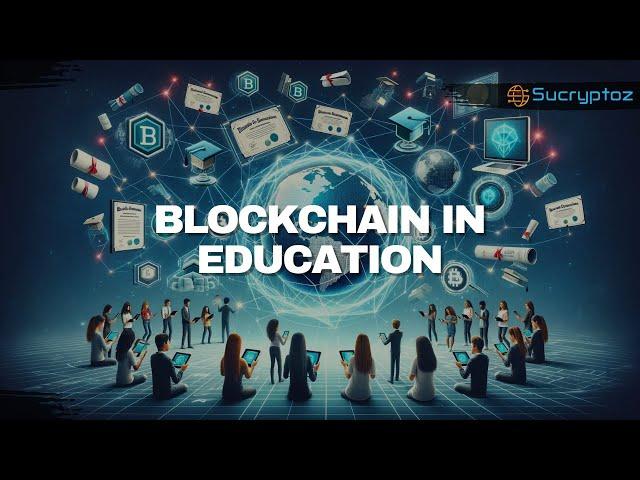
How Implementing Blockchain in Educational Institutions is Transforming Learning and Administration
Blockchain technology, initially associated with cryptocurrencies, is making significant strides in diverse sectors — and education is no exception. As digital change reshapes learning environments,implementing blockchain in educational institutions stands out as a game-changer for both academic delivery and administrative functions. In this article, we’ll explore how blockchain is revolutionizing the education sector, its practical benefits, emerging case studies, and practical guidance for adoption.
Understanding Blockchain Technology in Education
Before diving into its impact,it’s crucial to grasp what blockchain technology is. In essence, a blockchain is a decentralized ledger that records transactions or data in secure, tamper-proof blocks. Unlike conventional databases, blockchain offers:
- Immutability: Once data is written, it cannot be altered.
- Openness: All records are visible to authorized participants.
- Decentralization: No single entity controls the data, reducing the risk of corruption or mistakes.
- Enhanced Security: Cryptographic techniques safeguard sensitive details.
These features make blockchain a highly attractive solution for managing educational records, certifications, and administrative workflows.
How Blockchain is Transforming learning and Administration
Adopting blockchain in educational institutions is reshaping both how institutions operate and how students learn. here’s how:
1. Secure Credential Verification
Issuing, storing, and verifying diplomas or transcripts is traditionally a time-consuming and sometimes unreliable process. Blockchain-based credentialing systems allow for immediate, tamper-proof verification of student achievements. employers, graduate schools, and students can instantly verify the authenticity of academic credentials without intermediation, reducing fraud and administrative delays.
2.Streamlined student Records Management
Comprehensive academic records, including attendance, grades, and disciplinary actions, can be managed on the blockchain, ensuring transparency and integrity.Blockchain in education administration minimizes paperwork, reduces storage costs, and ensures data integrity, making record-keeping efficient and secure.
3. Facilitating Lifelong Learning and Micro-Credentials
Education is no longer confined to traditional degree programs. With blockchain-enabled micro-credentials, students can earn verified badges or certificates for short courses, workshops, and online learning. these digital credentials accumulate in a single,permanent portfolio,reflecting the full spectrum of a learner’s achievements and skills.
4.Decentralized Learning Platforms
Blockchain paves the way for decentralized and collaborative learning environments. peer-to-peer platforms can reward both educators and learners for contributions using smart contracts, encouraging content creation, feedback, and knowledge sharing.
5. Enhancing Data privacy and Security
With increasing concern over personal data misuse,blockchain assures students and parents of better privacy controls. Only authorized users can access sensitive records, and all access is recorded transparently, bolstering trust in digital learning systems.
Key Benefits of Implementing Blockchain in Educational Institutions
- Eliminates Credential Fraud: Digital diplomas and certificates stored on blockchain are nearly unachievable to falsify.
- Reduces Administrative Costs: Automating record-keeping and verification drastically cuts down operational expenses.
- Accelerates Admissions and Transfers: Instant verification eases mobility for students across institutions or borders.
- Empowers Students: Learners control their own academic data, sharing only what is necessary.
- Improves Trust: Clear processes foster greater trust between educational institutions, employers, and students.
- Supports Modern, Flexible Learning: Lifelong learning, upskilling, and non-traditional pathways gain legitimacy through verified, digital micro-credentials.
Case Studies: blockchain in Education
MIT and Digital Diplomas
The Massachusetts Institute of Technology (MIT) was among the first to issue diplomas on a blockchain-based platform. Graduates recieve a digital version of their diploma, stored securely on blockchain, which they can share directly with employers or other schools. This eliminates the need for third-party verification services, saving time and costs.
University of Nicosia – Blockchain for Credentials
The University of Nicosia in Cyprus, a leader in blockchain education itself, leverages blockchain to issue academic certificates.Each certificate comes with a digital hash, allowing anyone to independently verify its authenticity via the university’s blockchain system.
Sony Global Education and Blockchain-Based Learning Records
Sony Global Education has developed a blockchain-based system to manage records of students’ learning achievements, making it easier for organizations and other institutions to access and verify records globally while ensuring data integrity.
Practical Tips for Implementing Blockchain in Your Institution
- Start Small: Pilot a blockchain project in one department (such as issuing digital certificates) before rolling it out campus-wide.
- Engage Stakeholders: involve administrators, IT teams, faculty, and students early in the process to address concerns and drive adoption.
- Partner with Experts: Collaborate with blockchain technology providers and universities that have experience in educational deployments.
- Focus on Privacy and Compliance: Ensure the solution complies with data protection regulations like GDPR or FERPA.
- Provide Training: Equip staff and users with knowledge on the new system through workshops or hands-on sessions.
- Monitor and Evaluate: Continuously assess the system’s performance and gather feedback for improvement.
Challenges and Considerations
While the advantages are compelling, institutions must navigate certain challenges before large-scale implementation:
- Technical Complexity: Blockchain infrastructure requires technical expertise and integration with legacy systems.
- Initial Investment: Setup costs can be significant, though long-term operational savings frequently enough outweigh them.
- Standardization: The lack of worldwide standards for blockchain in education can impede interoperability between institutions.
- Change Management: Stakeholder resistance to new technology must be managed through transparent communication.
- Regulatory Compliance: navigating complex data privacy laws must remain a top priority.
Conclusion: The Future of Blockchain in Education
Blockchain technology is redefining how educational institutions manage learning, credentials, and administration. Its promise of secure, transparent, and efficient data handling not only empowers learners but also restores trust in educational records and processes. Schools, colleges, and universities that embrace blockchain are positioning themselves at the forefront of educational innovation, ready to meet the needs of tomorrow’s dynamic workforce.
If you haven’t yet explored blockchain in your academic institution,the time to start is now. Begin with targeted applications, collaborate with technology partners, and prepare for a future where lifelong, borderless, and verifiable learning is the new norm.