
How Implementing Blockchain in Educational Institutions is Transforming Learning and Security
Introduction
The educational landscape is rapidly evolving,driven by digital transformation and the increasing need for secure,clear,and efficient administration.One of the most promising technologies powering this change is blockchain. Implementing blockchain in educational institutions is not only revolutionizing the way learning materials and certifications are managed, but also greatly enhancing security and trust within academic ecosystems. in this deep-dive article, we’ll explore how blockchain technology is making waves in education, its key benefits, real-world case studies, and tips for implementation.
What is Blockchain and Why Does it Matter in Education?
Blockchain is a decentralized digital ledger that records transactions across multiple computers so that the record cannot be altered retroactively. This tamper-proof nature ensures authenticity, transparency, and security—a perfect match for the needs of educational institutions were credential verification, secure data sharing, and transparency are paramount.
- Decentralization: Removes reliance on a single authority for academic records.
- Security: Protects sensitive student data from breaches and unauthorized changes.
- Transparency: All stakeholders can verify information without intermediaries.
Key Benefits of Implementing Blockchain in Educational institutions
By integrating blockchain technology into their systems, educational institutions can unlock a wide range of benefits that transform both learning and security.
1. Enhanced Security and Data Integrity
Student records, certificates, and transcripts are frequent targets of fraud and cyberattacks. Blockchain’s cryptographic design secures academic credentials and personal data, ensuring that thay remain unaltered and accessible only too authorized users. This builds trust among students, educators, and employers alike.
2. Streamlined Credential Verification
With a blockchain-powered digital credential management system, verifying degrees, licenses, and transcripts becomes instant and tamper-proof. this saves time for recruiters and reduces administrative workloads for universities.
- Employers can instantly verify academic backgrounds.
- prevents diploma fraud and misrepresentation.
3. Facilitates Micro-Credentials and lifelong Learning
As education shifts toward continuous upskilling and micro-credentialing,blockchain enables institutions to issue,track,and validate numerous digital badges and nanodegrees. This empowers students to own a secure and portable lifelong learning record.
4. Improves Administrative Efficiency
Blockchain can automate administrative processes—like grant disbursement, course registration, and fee payments—reducing paperwork and minimizing errors.
5. Boosts Trust in international Collaboration
For institutions engaging in international exchanges, blockchain ensures that credits, degrees, and qualifications are recognized and trusted globally, streamlining cross-border enrollment and qualification mapping.
How Blockchain is Transforming Learning Experiences
Not just for administrative tasks, blockchain is directly impacting the learning process itself by enabling personalized education pathways and innovative pedagogical practices.
- Decentralized Learning Platforms: Peer-to-peer platforms powered by blockchain allow educators and learners to interact without third-party intermediaries, fostering transparency and collaboration.
- student-Owned Data: Learners control who sees their academic records and progress,fostering privacy and ownership.
- Smart Contracts for Assessments: Automate grading and certification, ensuring objective, tamper-resistant evaluation.
Case Studies: Blockchain Implementations in Education
A growing number of institutions worldwide are successfully implementing blockchain technology in education:
- MIT Media Lab: Issued blockchain-based digital diplomas to graduates, enabling instant verification and global recognition.
- University of Nicosia: Became the first university to issue academic certificates on the blockchain, pioneering the way for secure digital credentialing.
- Holberton School: Uses blockchain for peer review and assessment, making the learning process transparent and fair.
- Indian Institutes: Several top universities in India have rolled out blockchain-based degree authentication to minimize fraud and streamline recruitment.
Practical Steps for Educational Institutions Adopting Blockchain
Adopting blockchain in educational settings doesn’t have to be overwhelming. Here’s how your institution can start on the right foot:
- Assess Needs: Start by identifying which processes—like student records or certification validation—would benefit most from blockchain integration.
- Select the Right Platform: Choose a blockchain solution tailored for education; popular options include Blockcerts, Learning Machine, and IBM Blockchain.
- Develop Policies: Establish data privacy, governance, and access control policies to protect student information.
- Pilot and Iterate: Begin with a small-scale pilot (e.g., digital diplomas) to test the system and iron out challenges before wider implementation.
- Engage Stakeholders: Involve students, staff, and employers early in the process for smoother adoption and feedback.
- Invest in Training: Upskill IT and administrative staff to manage and maintain the blockchain system efficiently.
Challenges and Considerations
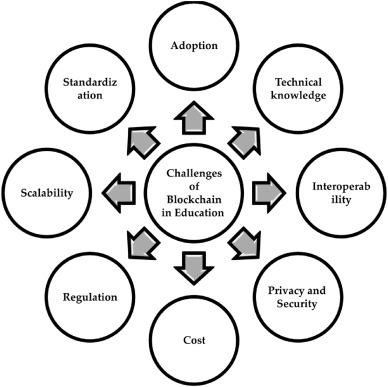
While the benefits are substantial, educational institutions must also consider certain challenges when implementing blockchain:
- Scalability: Large student populations require robust blockchain platforms that can handle high transaction volumes efficiently.
- Regulatory Compliance: Ensure that blockchain adoption meets local and international data protection and educational legislation.
- Initial Costs: Setup and staff training necessitate investment,though long-term savings often justify the expense.
- Change Management: Address resistance by educating stakeholders about the long-term advantages of blockchain in education.
First-Hand Experience: Voices from the Field
“Implementing blockchain at our university has transformed the way we issue degrees. There’s no more waiting for verification—employers can check credentials instantly with full confidence in their authenticity. Students are thrilled to have full control over their records, and administrative headaches are greatly reduced.”
— Director of IT, forward-thinking European University
Conclusion: Future-proofing Education with Blockchain
The implementation of blockchain in educational institutions marks a decisive leap toward secure, transparent, and learner-centered education in the digital age. By streamlining credential verification, empowering students to own their data, and enhancing security, blockchain stands out as a cornerstone technology for the future of learning.
Educational leaders and technology decision-makers should explore blockchain’s vast potential to not only protect and streamline processes, but also to create richer and more equitable student experiences. As proven by pioneering institutions worldwide, embracing blockchain in education isn’t just an IT upgrade—it’s a transformative strategy that future-proofs learning and boosts institutional credibility.
Are you ready to unlock the power of blockchain in your academic surroundings? The journey starts with one secure, transparent step forward.