
How Implementing Blockchain in Educational Institutions is Transforming the future of Learning
In the rapidly evolving digital era, educational institutions are seeking innovative ways to stay ahead and provide an enhanced learning experience. One groundbreaking technology leading this conversion is blockchain. Integrating blockchain into education systems is not just a trend—it’s a revolution that’s paving the way for secure, transparent, and efficient learning environments. In this article, we’ll explore how implementing blockchain in educational institutions is transforming the future of learning, uncovering its benefits, applications, and tips for a seamless transition.
Table of Contents
- What is Blockchain in Education?
- Key Benefits of Blockchain in Educational Institutions
- Real-World Applications and Case Studies
- Practical Tips for Implementing Blockchain in Schools and Universities
- Challenges to Consider
- The future of Blockchain in Learning
- Conclusion
What is Blockchain in Education?
Blockchain technology is a decentralized digital ledger that records information in a secure,tamper-proof,and transparent manner. By leveraging blockchain in the education sector, institutions can rethink traditional administrative and academic processes. Instead of relying on central authorities, data such as academic credentials, attendance, and coursework are securely held on a decentralized network, ensuring data integrity and instant verification.
Key Concepts of Blockchain in education
- Decentralization: Reduces reliance on single authorities for data verification and record-keeping.
- Transparency: Ensures all transactions and records are easily accessible and auditable.
- Immutability: Once data is recorded, it cannot be altered or deleted, enhancing trust.
- Security: Blockchain uses advanced cryptography to keep educational data secure.
Key Benefits of Blockchain in Educational institutions
Integrating blockchain in educational institutions brings a multitude of advantages that are transforming the future of learning:
1. Secure and Verifiable Academic Credentials
- Eliminates diploma forgeries by securely recording degrees and certificates on the blockchain.
- Employers and other institutions can easily verify qualifications within seconds.
- Alumni no longer need to request and pay for official transcripts repeatedly.
2. Streamlined Administrative Processes
- Automates processes like student enrollment, grading, and attendance tracking using smart contracts.
- Reduces paperwork,manual errors,and administrative costs.
3. Enhanced Student Ownership of Learning Records
- Students retain lifelong control of their academic records.
- Easy transfer of credits between institutions, facilitating global mobility.
4. Improved Data Security and Privacy
- Personal information is protected using encryption and decentralized storage.
- Reduces the risk of data breaches and unauthorized access.
5. Supporting Micro-Credentials and Lifelong Learning
- Blockchain enables the recognition of micro-credentials (badges, online courses, certifications) beyond traditional degrees.
- Encourages continuous upskilling and flexible learning paths.
Real-World Applications and Case Studies
As the benefits of blockchain in the education sector become increasingly clear, leading academic institutions worldwide are adopting blockchain-based solutions to drive change. Here are a few impactful examples:
MIT’s Digital Diplomas
The Massachusetts Institute of Technology (MIT) launched a pilot program to provide blockchain-based digital diplomas to its graduates. These diplomas can be instantly and securely verified by employers, eliminating the need for manual credential checks.
Holberton School’s Immutable Student records
The Holberton School uses blockchain technology to create immutable academic records, ensuring that every student milestone and achievement is permanently recorded and can be referenced at any time.
The University of Nicosia and Blockchain Degrees
The University of Nicosia, a pioneer in blockchain education, issues academic certificates on the blockchain, enabling students to easily prove their credentials globally.
ECU’s Blockchain-Based Transcripts
East Coast University (ECU) has integrated blockchain to issue, store, and verify academic transcripts, simplifying the transfer process for students and employers.
Practical Tips for Implementing Blockchain in Schools and Universities
instituting blockchain in your academic association may seem daunting,but these tips can definitely help ensure a smooth transition:
- Identify use Cases: Start by outlining specific challenges (e.g., credential verification, attendance tracking) that blockchain can address.
- Engage Stakeholders: Involve administrators, faculty, students, and IT professionals in designing and adopting the new system.
- Choose the Right Blockchain Platform: Opt for education-focused solutions like Blockcerts, OpenCerts, or customizable private blockchains.
- Develop Policies and Protocols: Establish clear guidelines around data privacy, ownership, and access rights.
- Pilot and Scale Gradually: Begin with a small pilot program before scaling blockchain solutions campus-wide.
- Invest in Training: Ensure staff and students understand how to use blockchain-powered platforms productively and securely.
Challenges to Consider
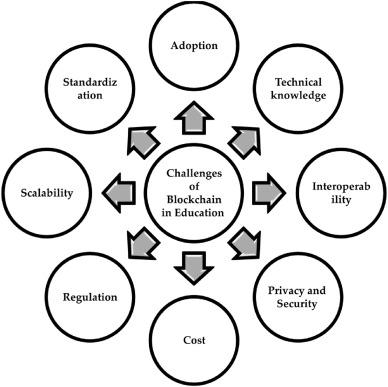
While the advantages of blockchain in educational institutions are vast,it’s essential to consider possible challenges:
- Technical Complexity: Blockchain integration requires robust technical infrastructure and expertise.
- Regulatory Uncertainty: Data protection laws (such as GDPR) may affect how blockchain is implemented in different regions.
- Interoperability: Ensuring that blockchain systems can work with existing student information systems can be challenging.
- Cost and Resource Constraints: Initial setup and maintenance might potentially be resource-intensive for some institutions.
Despite these roadblocks,the growing ecosystem of blockchain education providers and cloud-based SaaS solutions is making adoption easier for a broader range of schools and universities.
the Future of Blockchain in Learning
The implementation of blockchain in education is just beginning. Here are some predictions and emerging trends shaping the future of learning:
- Wider Use of Smart Contracts: Automating degree verifications, scholarship allocations, and more for greater efficiency.
- Global Learning Marketplaces: Blockchain-powered digital IDs could enable students to seamlessly transfer credits and participate in courses worldwide.
- Personalized Learning Journeys: Decentralized records support custom education pathways tailored to individual learning needs.
- Collaborative Research and Publication: Blockchain offers transparent ways to manage research contributions, intellectual property, and academic publishing.
expert Insight
“Blockchain has the power to truly democratize education—giving every student, nonetheless of background, verifiable proof of their accomplishments and access to a global network of opportunities.” – Prof. alison Marsh, EdTech Strategist
Conclusion
Implementing blockchain in educational institutions is rapidly transforming the future of learning. From secure credentials and efficient governance to enhanced student mobility and personalized educational experiences, blockchain is unlocking untapped potential within the education sector. As adoption grows, forward-thinking institutions that embrace this change will empower their students, streamline operations, and foster trust in academic achievements. If you’re considering blockchain for your school, now is the time to start exploring this innovative technology and shape a smarter, more connected educational world.
Are you ready to embrace the future of education? Start your journey by exploring blockchain solutions tailored for your institution and stay ahead in the evolving landscape of digital learning.