
How Implementing Blockchain in Educational Institutions Revolutionizes academic Integrity and Data Security
In today’s rapidly digitizing world, educational institutions face increasing challenges regarding academic integrity and data security. As more schools and universities shift to online learning and digital records, the risk of document forgery, data breaches, and manipulation of academic records grows. enter blockchain technology: a revolutionary solution that’s transforming how institutions protect their data, safeguard academic credentials, and maintain trust in educational systems.This article explores how implementing blockchain in education is setting new standards for security, transparency, and trust.
Understanding Blockchain Technology in Education
Blockchain is often synonymous with cryptocurrencies like Bitcoin, but its uses go far beyond finance. At its core, blockchain is a decentralized, tamper-proof digital ledger that records transactions across a network of computers.This makes it ideal for sectors like education that depend heavily on secure, verifiable data. In universities and schools, blockchain can be harnessed to manage student records, verify academic credentials, and streamline administrative processes—all while boosting data security and upholding academic integrity.
The Need for Enhanced Academic Integrity and Data Security
Academic dishonesty and data breaches have severe consequences for institutions, students, and the workforce.Some common challenges include:
- Fake degrees and forged diplomas devaluing legitimate qualifications
- Unauthorized access to sensitive student records
- Difficulty verifying academic achievements across international borders
- Little transparency in the credentialing process
Implementing blockchain in educational institutions directly addresses these pain points,plowing a path for greater trust and accountability.
benefits of Blockchain for Academic Integrity and Data Security
The adoption of blockchain in education brings a multitude of game-changing benefits:
Immutable Academic Records
- Permanent, tamper-proof data: once information is recorded on a blockchain, it cannot be altered or deleted. This ensures diplomas, transcripts, and certificates are authentic and can be instantly verified by employers or other universities.
Enhanced Data Security & Privacy
- Decentralized storage: Student records are not stored in a single database vulnerable to hacking. Instead, they are distributed across a network, making them far harder to compromise.
- Encrypted transactions: Data is encrypted and accessible only to authorized parties, safeguarding privacy and complying with regulations like GDPR.
Streamlined Credential Verification
- Instant verification: Employers, institutions, and students can quickly and securely verify the authenticity of a credential using blockchain-powered systems, reducing delays and paperwork.
Prevention of Academic Fraud
- Unique digital identities: Each student and staff member can access a secure, verifiable digital profile, preventing impersonation and document forgery.
Increased Trust and Transparency
- Audit trails: Every modification, no matter how minor, is recorded on the blockchain, ensuring accountability and transparency for all educational stakeholders.
Real-World Case studies: Blockchain in Action
Forward-thinking institutions are already leveraging blockchain to revolutionize data security and academic honesty. Here are some leading examples:
-
MIT’s Digital Diplomas
The Massachusetts Institute of Technology (MIT) pioneered blockchain-based digital diplomas with its Blockcerts project. Graduates receive a tamper-proof digital certificate, verifiable instantly by employers worldwide, eliminating delays and the possibility of forgery.
-
University of Nicosia
This Cyprus-based university was the world’s first to offer blockchain-based academic certificates. All diplomas are logged on the Bitcoin blockchain, creating a permanent and transparent record accessible globally.
-
National University of Singapore (NUS)
NUS utilizes blockchain technology for the authentication of degrees, allowing verification by third parties within seconds—boosting employability for graduates and ensuring data integrity.
how to Implement Blockchain Technology in Educational Institutions: Practical Tips
Rolling out blockchain solutions in education requires thoughtful planning. Here are practical steps for accomplished integration:
- Assess the current IT infrastructure: Evaluate existing database systems for readiness and compatibility with blockchain platforms.
- Select the right blockchain solution: Choose between public, private, or consortium blockchains based on data sensitivity and community size.
- Develop clear data privacy policies: Ensure compliance with regional privacy laws (like GDPR or FERPA) and determine who can access or modify records.
- Start with pilot programs: Launch small-scale projects, such as blockchain-backed diploma issuances or grade recording, to familiarize staff and students with the technology.
- Partner with experienced vendors: Collaborate with technology partners and blockchain specialists for smooth integration and training.
- Promote digital literacy: Educate faculty, staff, and students about how blockchain works and its benefits for academic integrity and data security.
- Monitor and evaluate outcomes: Regularly review blockchain implementations and gather feedback for continuous improvement.
First-Hand experience: A Testimonial from the Field
“Since implementing blockchain-based credential verification, we’ve almost eliminated instances of fake diplomas and improved employer confidence in our graduates. Our administration is more efficient and records are safer than ever before.”
— University Registrar, European university
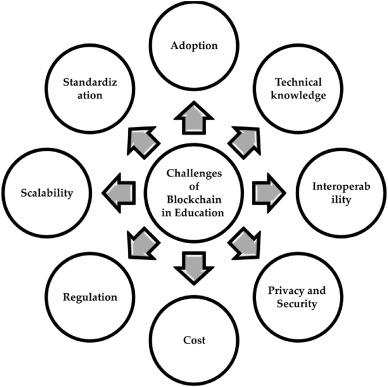
Challenges and Considerations for Blockchain in Education
While blockchain promises notable benefits, educational institutions should also be aware of potential challenges:
- Initial setup cost: Deploying blockchain solutions often requires investment in new infrastructure and training.
- Interoperability: Integration with legacy systems can be complex, particularly for large or multi-campus institutions.
- Scalability: As the number of students and records grows,ensuring seamless scaling of blockchain systems is essential.
- Regulatory hurdles: Blockchain use in education must align with evolving data protection and privacy regulations.
Future Prospects: Blockchain & the Smart campus
As edtech evolves, blockchain will likely play an even larger role, supporting not only secure data management and academic integrity but also smart contracts for automating tuition payments, course registrations, and peer-to-peer learning validations. the era of the blockchain-powered smart campus is just emerging, promising a future where trust, transparency, and security are the foundations of every educational journey.
Conclusion
Embracing blockchain technology in educational institutions is transforming how we protect academic integrity and data security. From preventing credential fraud to creating transparent, tamper-proof academic records, blockchain opens a new world of opportunities for schools and universities. As more institutions recognize its immense potential, the future of education is set to be more secure, efficient, and trustworthy than ever before. If you are considering safeguarding your institution’s reputation and pioneering the next wave of digital learning, now is the perfect time to explore blockchain solutions.