
How Implementing Blockchain in Educational Institutions Revolutionizes Academic Transparency and security
Education is the foundation of progress, but customary systems are often marred by inefficiency, fragmented data, and questions of trustworthiness.As the digital landscape evolves, blockchain technology emerges as a transformative force, promising to revolutionize how educational institutions handle academic transparency and security. This extensive guide explores the profound impact blockchain can have on the educational ecosystem and provides actionable strategies for effective implementation.
Understanding Blockchain Technology in Education
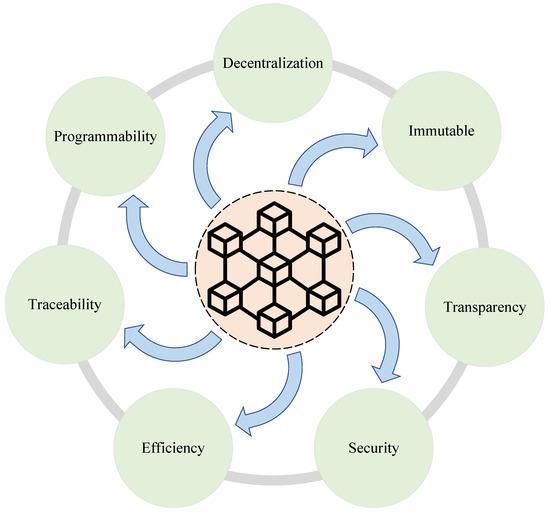
Before diving into its benefits, it’s essential to grasp what blockchain offers.In simple terms, blockchain is a decentralized, immutable digital ledger that records transactions or data in a transparent and tamper-proof manner. When applied to education, this technology can securely manage student records, credentials, and administrative processes, ensuring data integrity and fostering trust among stakeholders.
The Impact of Blockchain on Academic Transparency
Transparency in education is crucial for fostering trust among students, educators, and employers. Here’s how integrating blockchain in educational institutions fosters clarity and openness:
- Immutable Student Records: Academic records stored on blockchain cannot be altered or destroyed, ensuring their accuracy and reliability.
- Credential Verification: Diplomas, certificates, and transcripts are easily shareable and verifiable by employers and other institutions, eliminating fraudulent claims.
- Audit Trails: All changes and accesses to data are transparently logged, making it easy to track actions and maintain accountability.
- Decentralized Access: Multiple stakeholders, including students and faculty, can view specific records without compromising security or privacy.
Why Academic Transparency Matters
The educational landscape is plagued by diploma mills and unverified qualifications. Blockchain’s transparency helps to:
- Enhance student mobility across institutions and countries.
- Streamline admissions,reducing paperwork and processing time.
- Mitigate the risks of credential fraud in the job market.
Enhancing Academic Security Through Blockchain
Security is a top concern for any digital platform, especially in education where sensitive data abounds. Here’s how blockchain addresses academic security challenges:
- Decentralized Data Storage: There’s no single point of failure, reducing the risk of large-scale data breaches.
- Encryption and cryptographic Protocols: Advanced security measures ably guard student and institutional data from hacking or unauthorized manipulation.
- Permissioned access: Role-based controls ensure that only authorized users are permitted to see or modify records.
- Resilience Against Tampering: Onc a record is entered,altering past entries is virtually impossible without detection.
Key Security Benefits for Educational Institutions
Implementing blockchain in education offers tangible security upgrades:
- Reduces incidences of forged certificates and transcripts.
- Prevents data loss due to server failures, disasters, or cyberattacks.
- Assists in maintaining compliance with privacy regulations, such as GDPR and FERPA.
Real-World Case Studies: Blockchain in Educational Institutions
Several pioneering educational institutions have piloted or fully adopted blockchain for academic transparency and security. Here are some inspiring examples:
MIT – Digital Diplomas
The Massachusetts Institute of Technology (MIT) launched the Blockcerts initiative, allowing graduates to receive tamper-proof digital diplomas on their smartphones. This blockchain-based solution enables instant third-party verification and eliminates the risk of lost certificates.
The University of Nicosia – Blockchain Degrees
As one of the first universities to accept Bitcoin for tuition, the University of Nicosia has issued blockchain-based academic certificates as 2014. Students can securely share their credentials with employers worldwide, streamlining hiring and admissions processes.
Malta’s Education Blockchain Strategy
Malta’s Ministry of Education in collaboration with Learning Machine implemented a nation-wide blockchain solution to track academic achievements from secondary school to higher education, ensuring every qualification remains easily verifiable, authentic, and secure against forgery.
Step-by-Step Guide to Implementing Blockchain in Education
Transitioning to blockchain requires careful planning and execution. Here’s a practical pathway for schools, colleges, and universities:
- Assess Institutional Needs: Identify administrative pain points and goals for transparency and security.
- Select a Blockchain Platform: Choose between public, private, or consortium blockchains based on scalability, privacy, and cost requirements.
- Develop Smart Contracts: Automate academic procedures such as credential issuance, attendance, and grading for efficiency and accuracy.
- Train Staff and Educators: Equip personnel with the necessary skills to leverage blockchain tools and manage digital records.
- Engage Stakeholders: Involve students, alumni, and employers in the process to ensure usability and acceptance.
- Pilot and Scale: Start with pilot projects, gather feedback, and expand gradually, optimizing processes along the way.
Benefits of Blockchain Integration in Educational Institutions
Educational institutions that integrate blockchain technology enjoy numerous advantages:
- Accelerated and simplified credential issuance and verification.
- Stronger student data privacy and control.
- Cost savings due to reduced paperwork and manual governance.
- New avenues for collaboration and internationalization of academic records.
- Increased trust and reputation among stakeholders.
“Blockchain stands to not just protect academic records, but also empower learners with lifelong, verifiable credentials.” – Education Technology Analyst
Challenges and Considerations
While the benefits are clear, educational institutions should also consider these challenges:
- Initial Investment: Infrastructure costs and staff training can be significant at the outset.
- Interoperability: Ensuring compatibility between different blockchain systems and legacy data silos is essential.
- Privacy Concerns: Data protection regulations must be observed, with careful management of sensitive information on public blockchains.
- Change Management: Moving institutional culture and processes toward digital change can require time and effort.
Best Practices for a Prosperous Blockchain Implementation
- Partner with experienced blockchain technology providers.
- adopt a phased rollout to minimize disruption and risk.
- Prioritize user experience for students, staff, and employers.
- Maintain transparent communication with all stakeholders during design and deployment.
- Commit to ongoing staff training and support.
Conclusion: The Future of Blockchain in Education
As the digital age accelerates,blockchain is poised to become a cornerstone of academic transparency and security. By digitizing credentials, safeguarding student data, and streamlining processes, educational institutions not only enhance trust but also unlock new opportunities for innovation and global collaboration.
Adopting blockchain in education today can set the stage for a more transparent, secure, and reliable future—preparing students and institutions alike for success in a digitally interconnected world.
Contact Us to Explore Blockchain solutions for Your Institution