
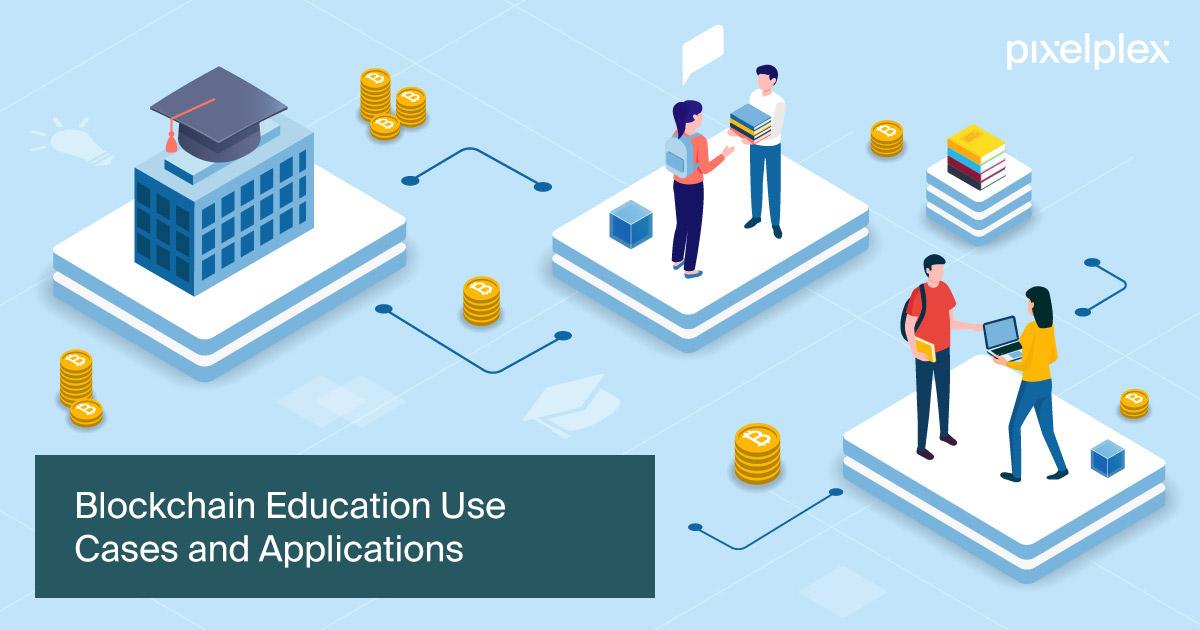
How Implementing Blockchain in Educational Institutions Revolutionizes data Security and Academic Integrity
In today’s rapidly evolving digital landscape, the integrity and security of academic data have become paramount concerns for educational institutions worldwide. As cyberattacks and academic fraud continue to rise, traditional systems frequently enough fail to provide the level of trust and transparency needed to safeguard sensitive details.Enter blockchain technology — an innovative, decentralized digital ledger that is transforming the way schools, colleges, and universities approach data security and academic integrity. This article explores how implementing blockchain in education revolutionizes these key areas,the benefits it brings,and practical tips for successful integration.
Understanding Blockchain Technology in Education
Blockchain is best known as the underlying technology behind cryptocurrencies like Bitcoin, but its capacity extends far beyond digital currencies. In essence, blockchain is a distributed database that records information in a secure, immutable, and obvious manner. By leveraging its decentralized architecture, educational institutions can store academic credentials, track learning outcomes, and manage student records with unprecedented security and reliability.
- Decentralization: No single entity controls the data, reducing risks of centralized attacks or single points of failure.
- Immutability: Once entered, records on a blockchain cannot be altered or deleted, ensuring authenticity.
- Transparency: Transactions are visible and verifiable, promoting accountability among students and educators.
- Smart Contracts: Automated execution of agreements (such as awarding degrees) based on predefined rules.
Key Benefits of Blockchain Adoption in Educational Institutions
Implementing blockchain in educational institutions brings tangible advantages that address some of the most pressing challenges in academic management. Some of the top benefits include:
1. Enhanced Data Security
- Encryption and Access Control: Blockchain data is secured using advanced cryptography, ensuring that only authorized users can access sensitive records.
- Reduced Fraud: With data distributed across multiple nodes and protected against tampering, the risk of falsifying academic credentials or modifying records is virtually eliminated.
- Protection against Data Loss: decentralization ensures there are multiple copies of data, reducing risks due to system outages or data breaches.
2. Preservation of Academic Integrity
- Credential Verification: Employers and institutions can instantly verify degrees and certificates via immutable blockchain records, minimizing fraudulent activities.
- Transparent Grading: Academic results and assessments are securely stored, ensuring accuracy and accountability in the grading process.
- Prevention of Plagiarism: Blockchain can track the originality and changes to academic submissions, discouraging dishonest practices.
3. Streamlined Administrative Processes
- Automated Transcripts and documentation: Smart contracts automate the issuance of diplomas and certificates, reducing paperwork.
- Efficient Student Transfers: Blockchain makes it easy to transfer verified academic histories between institutions worldwide.
- Reduced Administrative Costs: Automation and transparent record-keeping minimize manual labor and associated costs.
real-World Applications: Case Studies and Success Stories
Several forward-thinking institutions have already started reaping the rewards of integrating blockchain technology into their operations. Here are a few notable examples:
MIT’s Digital Diploma Initiative
The Massachusetts Institute of Technology (MIT) pioneered the use of blockchain for issuing tamper-proof digital diplomas to graduates. Students receive a digital certificate that can be independently verified by employers or other universities, streamlining the verification process and virtually eliminating credential fraud.
The University of Nicosia’s Blockchain Credentials
The University of Nicosia in Cyprus issues degrees and academic transcripts on the Bitcoin blockchain, enabling global verification of student credentials in seconds. This move has significantly increased trust among international partners and attracted students seeking secure recognition of their achievements.
Sony Global Education’s Blockchain Solution
Sony Global Education released a blockchain-based platform that allows for secure sharing and verification of student records among schools and universities. By giving students control over their data and simplifying transfer processes, the platform enhances both data security in education and operational efficiency.
Challenges and Considerations for Implementing Blockchain
While blockchain in education offers remarkable advantages, successful implementation requires careful planning and awareness of potential obstacles:
- Technical Complexity: Deploying and maintaining blockchain solutions demands skilled IT professionals and robust infrastructure.
- Standardization: The educational sector currently lacks global standards for blockchain usage, creating challenges for interoperability across institutions.
- Privacy Concerns: Balancing transparency with student privacy requires thoughtful governance and compliance with data protection regulations.
- Cost of Implementation: Initial setup and integration may incur significant costs, though these can yield long-term savings.
Practical Tips for Educational Institutions Adopting Blockchain
- Start Small: Begin with pilot programs, such as issuing digital certificates for select courses or departments, before institution-wide implementation.
- Select the Right Platform: Evaluate blockchain solutions designed for education, focusing on scalability, security features, and compliance capabilities.
- Foster Collaboration: Work with other academic institutions, technology providers, and regulatory bodies to develop standards and share best practices.
- Educate stakeholders: train staff, students, and faculty about the benefits and mechanics of blockchain to drive adoption and maximize impact.
- maintain Regulatory Compliance: Ensure that all blockchain initiatives align with data privacy laws such as GDPR or FERPA.
Future Outlook: Blockchain and the Evolution of Academic Trust
As blockchain technology matures, its role in safeguarding academic data and upholding integrity will only grow stronger.We can expect a future where students possess lifelong, portable digital credentials, employers can instantly verify qualifications, and educational records are securely maintained—free from the risks of tampering or loss.
The ongoing advancement of standards and interoperable systems will further ease global student mobility and collaboration between institutions,ultimately leading to a more open,trustworthy,and innovative educational landscape.
Conclusion
The integration of blockchain in educational institutions is not just an IT upgrade—it’s a transformative shift toward a future where academic records are secure, verifiable, and universally accessible. By revolutionizing data security and academic integrity, blockchain offers administrators, educators, and learners new levels of trust and efficiency. While the journey toward thorough implementation presents unique challenges, the long-term rewards for transparency, authenticity, and educational excellence are well worth the investment. Educational leaders who embrace this technology today will set new benchmarks in safeguarding the academic achievements of tomorrow.