
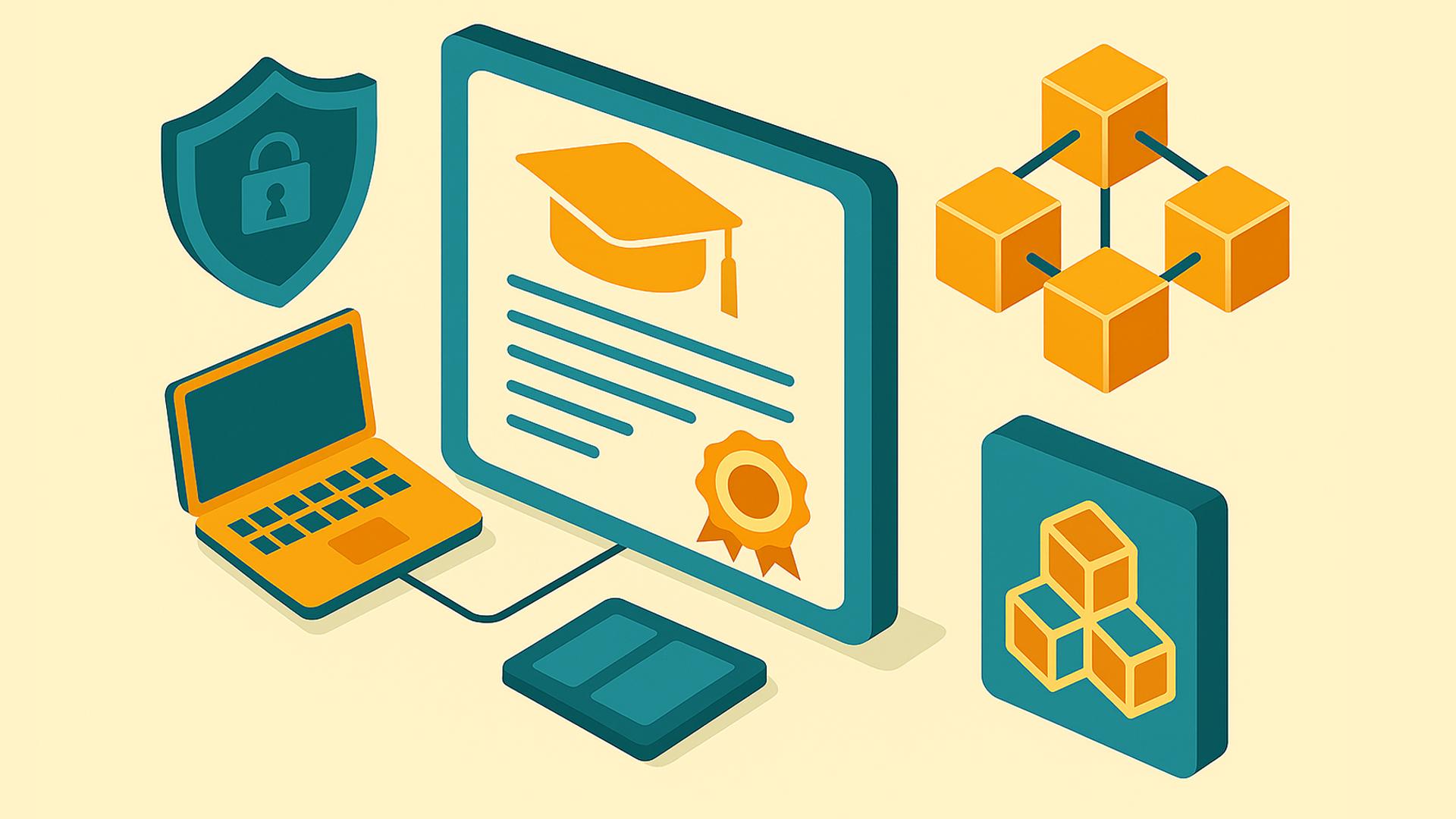
How Implementing Blockchain in Educational Institutions Revolutionizes Data Security and Credential Verification
In our hyper-connected digital age, data security and reliable credential verification have become critical challenges for educational institutions. Schools, colleges, and universities house vast amounts of sensitive facts—student records, grades, qualifications, financial data, and more. This has made them prime targets for cyberattacks and credential fraud. Blockchain technology is emerging as a revolutionary solution, transforming how institutions manage data security while ushering in a new era of tamper-proof credential verification.Dive in to learn how blockchain is raising the bar and driving trust in education’s digital transformation.
Why Data Security and credential Verification Matter in Education
Educational institutions have long faced vulnerabilities due to centralized data management systems. Some of the key challenges include:
- Data Breaches: Hackers can gain unauthorized access to student and faculty records.
- Credential Fraud: Fake diplomas and transcript forgeries undermine institutional credibility.
- Administrative inefficiency: Manual processes slow down verification, increase errors, and lack transparency.
- Regulatory Compliance: Meeting privacy regulations (like FERPA and GDPR) demands robust, auditable data safeguards.
Educational leaders and IT administrators are constantly seeking advanced solutions to safeguard credentials and ensure the integrity of academic records.
How Blockchain Works in the Education Sector
At its core, blockchain technology is a decentralized ledger system that enables secure, clear, and fully auditable record-keeping.Here’s how the technology translates into real-world educational applications:
- Immutable Records: Each transaction or data entry creates a timestamped block that is cryptographically linked to the previous one—once recorded, it cannot be altered or deleted.
- Decentralization: Data is spread over a network of nodes, eliminating single points of failure and making it nearly impossible for hackers to alter records.
- Permissioned Access: Institutions control who can read or add to the blockchain, safeguarding sensitive information.
- Smart Contracts: Self-executing agreements enable automated credential verification and institutional compliance.
Key Benefits of Blockchain for Educational institutions
adopting blockchain solutions brings a host of advantages to schools, colleges, and universities:
Unmatched Data Security
- Protection Against Cyber threats: Decentralized architecture thwarts unauthorized intrusions and ransomware attacks.
- End-to-End Encryption: Data is encrypted at rest and in transit, ensuring confidentiality and integrity.
Efficient & Trustworthy Credential Verification
- Instant Verification: employers and other institutions can instantly verify the authenticity of degrees, transcripts, and certificates.
- No More Forgeries: Credentials recorded on the blockchain are immutable and impossible to counterfeit.
- Transparency: All stakeholders can trace a credential’s origin and issuance across the network.
Administrative Streamlining
- Elimination of Paperwork: Digital credentials replace slow, manual certificate validation processes.
- Reduced Operational Costs: Automation and efficiency translate to lower administration expenses.
- Regulatory Compliance: Built-in audit trails make meeting compliance faster and easier.
Real-World Blockchain Use Cases in Education
More educational institutions worldwide are successfully leveraging blockchain to solve data security and credentialing challenges. Here are a few pioneering examples:
- MIT Digital Diplomas: The Massachusetts Institute of Technology issues blockchain-based digital diplomas, allowing graduates to share tamper-proof certificates with employers.
- University of Nicosia: This Cyprus-based university was the first worldwide to issue academic credentials verified via blockchain.
- Dutch Education Blockchain (EduChain): The Netherlands launched a national initiative enabling students to manage and share their verified credentials with employers and other institutions, driving a trusted, borderless academic ecosystem.
- LearnCard by the Learning economy Foundation: A global wallet for lifelong learning credentials, empowering students to curate and control their own educational records.
First-Hand Experience: Blockchain Implementation journey
Let’s explore a practical scenario described by an IT director at a prestigious university:
“As soon as we piloted blockchain credentialing, we noticed fewer verification requests from employers—our graduates simply shared a digital credential link. Credential authenticity checks dropped from days to seconds. We also drastically reduced incidents of credential fraud.Blockchain streamlined our administrative workflows and built stronger trust with external partners.”
Challenges & Considerations for Adopting Blockchain in Education
While the benefits are compelling, educational institutions should also consider several important factors when implementing blockchain technology:
- Technical Complexity: Integrating blockchain with current systems may require technical expertise and initial investment.
- Change Management: Staff, faculty, and students need adequate training and awareness to adapt to blockchain-based workflows.
- Interoperability: Ensure that blockchain systems can easily share data with external entities, employers, and accreditation bodies.
- Privacy Concerns: Only non-sensitive data should be stored on the chain, with private info encrypted or held off-chain.
Best Practices for Implementing Blockchain in Educational Institutions
To maximize success and ROI, schools and universities can follow these steps:
- Assess Readiness: Conduct a thorough needs assessment and identify specific problems blockchain will address.
- Choose the Right Platform: Evaluate blockchain providers specializing in education,considering security,scalability,and interoperability.
- Pilot First: Start with a pilot program (e.g., digital diplomas) to iron out technical or operational hiccups.
- engage Stakeholders: Involve IT,administrative staff,faculty,students,and employers early in the process.
- Stay Updated: Keep abreast of global standards and best practices as blockchain technology evolves.
Future of Blockchain in education: Beyond Security
The promise of blockchain extends beyond just security and credential verification. Here’s a glimpse at what’s ahead:
- lifelong Learning records: Comprehensive learning histories accessible to students, educators, and employers anywhere in the world.
- Micro-credentialing: Verified digital badges and short-course credentials supporting flexible, skills-focused education.
- Cross-border Validation: An international standard for instant academic credential recognition across universities and countries.
- Decentralized Learning Platforms: Peer-to-peer learning and teaching without intermediaries, powered by trustless blockchain systems.
Conclusion: Blockchain’s Transformative Impact in education
Blockchain technology is revolutionizing how educational institutions protect data and verify credentials. By embracing decentralized ledgers,schools and universities can establish unprecedented levels of security,efficiency,transparency,and trust. More than just a trend, blockchain-based solutions are fast becoming the new gold standard for digital transformation in education. As the technology matures and adoption deepens, it’s clear that the future of secure, trusted credential verification is being forged on the blockchain.
For forward-looking institutions, now is the ideal time to explore blockchain’s potential and take meaningful steps toward a more secure, innovative, and student-centered future.