
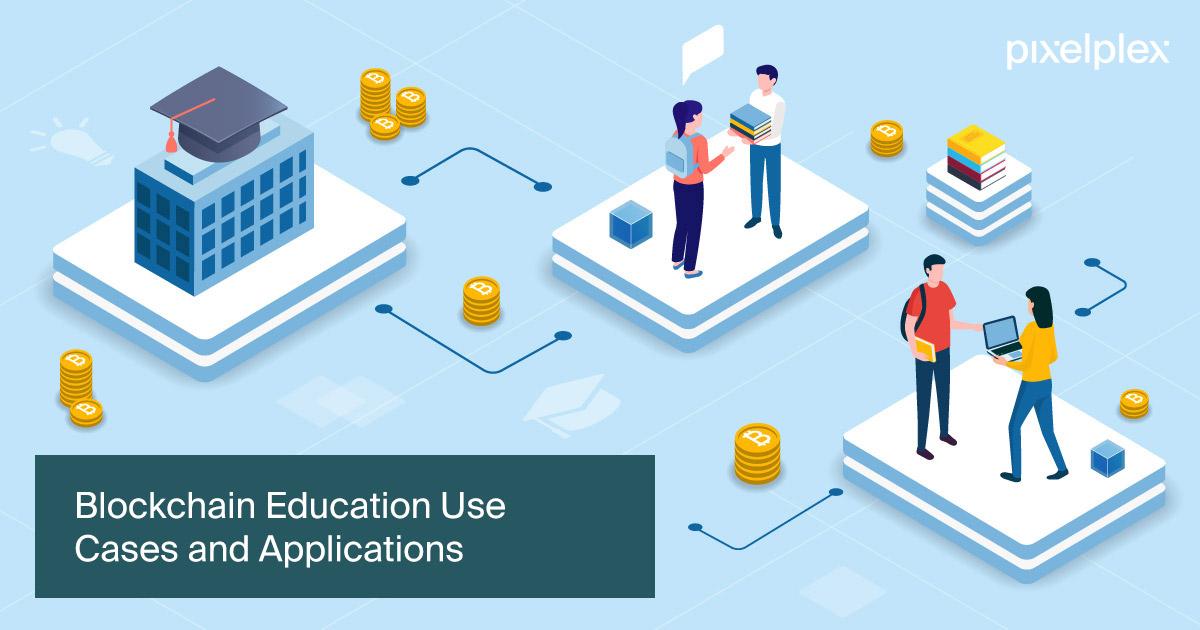
how Implementing Blockchain in Educational Institutions Revolutionizes Data Security and Credentialing
The digital age has opened up incredible opportunities and unique challenges for educational institutions.As schools and universities manage vast amounts of sensitive data—from student records and transcripts to degrees and certifications—the risks of data breaches, fraud, and inefficient processes have escalated. Enter blockchain technology, a game-changer that promises to revolutionize data security and credentialing in education. In this thorough guide, we’ll delve into how implementing blockchain in educational institutions is redefining the standard for data protection, trust, and clarity in academia.
Table of Contents
- Understanding Blockchain Technology in Education
- How Blockchain Enhances Data Security in Education
- Revolutionizing Credentialing Through Blockchain
- Key Benefits of Blockchain for Educational Institutions
- Real-World Examples: Blockchain in Action
- Practical Tips for Implementing Blockchain in Education
- Conclusion: The Future of Blockchain in Education
Understanding Blockchain Technology in Education
At its core, blockchain is a decentralized, distributed ledger technology that securely records transactions and data. Every record, known as a “block”, is cryptographically linked to the previous one, ensuring immutability and tamper-resistance. While blockchain’s origins lie in powering cryptocurrencies like Bitcoin, its transformative applications span far beyond finance—including the education sector.
In educational institutions, blockchain serves as a clear and incorruptible system for storing and sharing sensitive data, making it ideal for managing student records, academic credentials, diplomas, transcripts, and more.
How Blockchain Enhances Data Security in education
Data breaches in education are alarmingly common,exposing personal details,grades,and financial data of students and staff. Customary database systems are often centralized, creating single points of failure that attackers can exploit.
Why Blockchain Boosts Data Security
- Immutability: Once data is recorded on the blockchain, it cannot be altered or deleted, dramatically reducing the risk of unauthorized changes or tampering.
- decentralization: Unlike centralized databases, blockchain distributes data across a global network of nodes. This makes hacking or data manipulation extremely arduous.
- encryption: Blockchain uses advanced encryption methods, ensuring that only authorized individuals can access or decrypt sensitive information.
- Auditability: Every transaction or update is logged on the chain, creating an immutable audit trail for regulatory compliance and institutional accountability.
Adopting blockchain in educational settings dramatically decreases the risk of data loss and cyberattacks. This is especially crucial as educational institutions remain top targets for hackers worldwide.
Revolutionizing Credentialing Through Blockchain
Credential fraud is a persistent challenge for educational institutions, employers, and students alike. Fake degrees, forged transcripts, and invalid certificates undermine trust and devalue genuine qualifications. Though, blockchain-based credentialing systems are setting a new benchmark in authenticity and ease of verification.
How Blockchain is Changing Academic Credentialing
- Digital Diplomas and Transcripts: Academic credentials can be securely issued on the blockchain,providing students with tamper-proof digital copies accessible anytime,anywhere.
- Instant Verification: Employers and third parties can instantly verify the authenticity of academic records without lengthy, manual checks from registrar offices.
- Ownership and Control: Students gain true ownership over their credentials and can easily share them with stakeholders directly from their digital wallets.
- Standardization: Blockchain platforms facilitate interoperability across institutions, enabling consistent recognition of credentials across borders.
This shift toward blockchain credentialing in education reduces fraud,streamlines administrative processes,and empowers graduates in the job market.
Key Benefits of Blockchain for Educational Institutions
From data protection to efficiency, integrating blockchain yields a host of transformative benefits for schools and universities:
- Enhanced Security: Advanced encryption and decentralized validation protect against hacking, insider threats, and data breaches.
- Operational Efficiency: Automating record-keeping and verification cuts administrative burdens and reduces paperwork.
- Cost Savings: With faster processes and fewer intermediaries, institutions can lower operational costs substantially.
- Student Empowerment: Learners control access to their credentials, fostering independence and lifelong learning.
- Inter-institution Collaboration: Shared, standardized credentialing systems allow for easier transfers and international recognition of academic achievements.
- Fraud Prevention: Blockchain’s immutable ledger eliminates the possibility of falsifying academic records.
Real-World Examples: Blockchain in Action
Several pioneering educational institutions and governments have already embraced blockchain to secure data and modernize credentialing:
- MIT’s Digital Diplomas: The Massachusetts Institute of Technology issues digital diplomas on the blockchain, allowing graduates to share verified credentials globally within minutes.
- University of Nicosia: This Cyprus-based institution was among the first to issue blockchain-based academic certificates, boosting international recognition for its graduates.
- malta’s National Blockchain Framework: The Maltese government has launched a national blockchain platform for education, ensuring lifelong, portable, and fraud-proof credentials for all students.
- Sony Global Education: Sony’s blockchain-powered platform allows secure and efficient management and sharing of student records across institutions and borders.
These case studies showcase how blockchain adoption in education is moving from theory to impactful, real-world solutions.
Practical Tips for educational Institutions Implementing Blockchain
Transitioning to blockchain requires thoughtful planning and strategic execution.Here are key recommendations to help schools, colleges, and universities get started:
- assess Needs & Define Goals: Identify which data (grades, attendance, credentials) would benefit most from blockchain’s features.
- Choose the Right Platform: Evaluate major blockchain technology providers (ethereum,Hyperledger,Corda,etc.) for security, scalability, and ease of integration.
- Engage Stakeholders: Collaborate with faculty, IT professionals, students, and employers to ensure user-friendly implementation and widespread adoption.
- Prioritize Data Privacy: Ensure compliance with regulatory requirements like GDPR, FERPA, or local privacy laws.
- Provide Training: Offer regular training for staff and end-users on using blockchain credentialing systems effectively.
- Scale in Phases: Start with pilot projects and gradually scale up based on feedback and performance.
- Open Communication: Transparently communicate with students, parents, and recruiters regarding the transition to blockchain technology.
As blockchain matures, service providers are introducing turnkey solutions tailored for education, making adoption easier than ever.
Conclusion: The Future of Blockchain in Education
integrating blockchain technology in educational institutions represents a seismic shift toward safer, smarter, and more transparent academic environments. With its promise of unbreakable data security and flawless credentialing, blockchain is paving the way for trusted, lifelong records that empower learners and streamline operations.
As the world becomes increasingly digital and mobile,education systems that embrace blockchain will gain a competitive edge—bolstering their reputation for innovation,trust,and excellence. Now is the time for schools, colleges, and universities to explore blockchain’s immense potential and lead the transformation in educational data security and credential management.
Interested in learning more? Stay updated with the latest trends in blockchain for education, or contact us for expert insights on deploying blockchain solutions in your educational institution!