
How Implementing Blockchain in Educational Institutions Revolutionizes Data Security and Efficiency
In today’s digitally connected world, data security in educational institutions has become a pressing concern. With rising cyber threats and the growing demand for seamless record management, conventional data management systems frequently enough fall short. Enter blockchain technology—a groundbreaking innovation poised to revolutionize both security and efficiency within the education sector. This article explores in-depth how implementing blockchain in schools, colleges, and universities drives robust data protection, increases transparency, and streamlines management like never before.
Why Blockchain in Education?
Blockchain, best known as the technology that underpins cryptocurrencies like Bitcoin, is a decentralized, tamper-resistant ledger system. Its request in education goes far beyond financial uses. by integrating blockchain into institutional frameworks, schools and universities can ensure the authenticity, security, and privacy of academic records, credentialing, attendance, and much more.
key Benefits of Blockchain Implementation in Educational Institutions
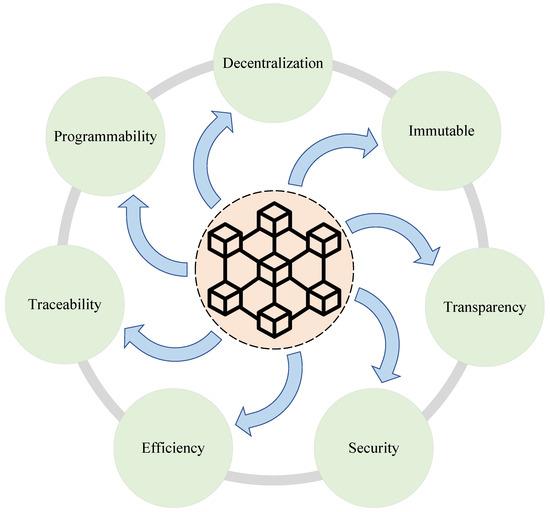
- Enhanced Data Security: Blockchain’s cryptographic features make student records, transcripts, and certificates nearly impossible to alter or forge. Each record added to the blockchain is secured using hash algorithms and linked to previous entries, offering robust protection against hacking.
- Improved Efficiency & Reduced Costs: automating administrative tasks—such as identity verification, document issuance, and record validation—through smart contracts can drastically reduce manual effort, paperwork, and processing time.
- Transparent Audit Trails: Every action taken on the blockchain is time-stamped and permanently recorded, making it simple to track changes and access histories for compliance and accreditation purposes.
- Decentralized Data Ownership: Students gain greater control over their academic data, deciding when and how to share their verified credentials with potential employers or other educational institutions.
- streamlined Credentialing: Verification of diplomas, degrees, and other certifications becomes instantaneous, eliminating the risk of forgery and fraud.
Real-World Applications: How Educational Institutions Are Using Blockchain
Several forward-thinking organizations have already integrated blockchain technologies, demonstrating meaningful transformation in their operations:
- Learning Machine (MIT): In partnership with MIT, Learning Machine developed a blockchain-powered system that allows students to receive, hold, and share digital diplomas securely.These verifiable digital credentials are impossible to fake.
- University of Nicosia: This institution issues academic certificates directly onto the Bitcoin blockchain, giving graduates irrefutable proof of degree authenticity.
- Holberton School: An innovative software engineering college, Holberton issues all certificates and transcripts on blockchain, reducing administrative burden and increasing trustworthiness.
These blockchain education case studies showcase the tangible impact of adopting decentralized technology to bolster both data security and efficiency in education.
Blockchain and Data Privacy: A Crucial Union
With growing concerns around data breaches and unauthorized access, blockchain in educational institutions ensures compliance with global data privacy regulations (such as GDPR). The decentralized ledger allows institutions to store sensitive facts securely, granting access onyl to authorized individuals via private keys. Students, teachers, and administrators can rest assured that their information is handled with the utmost care and confidentiality.
How to Implement Blockchain in Your Educational Institution
Thinking of integrating blockchain into your institution? Here are some practical steps to kickstart the journey towards secure and efficient data management in education:
- Assess Your Needs: determine which processes—such as credential verification, attendance tracking, or record management—would benefit most from a blockchain upgrade.
- Select a Blockchain Platform: Leading educational blockchain solutions include Blockcerts, Ethereum, and Hyperledger.Evaluate security features, scalability, and user-friendliness.
- Pilot Implementation: Start with a specific department or function to test the blockchain system. Collect feedback for optimization before scaling institution-wide.
- Train Staff and Students: conduct workshops and provide resources to ensure stakeholders are comfortable with the new technology.
- integrate with Existing Systems: Use APIs or connectors to synchronize blockchain applications with legacy Student Information Systems (SIS), Learning Management Systems (LMS), and other administrative tools.
- Maintain and Update: Stay abreast of the latest blockchain security patches and regulatory requirements to ensure ongoing compliance and protection.
Potential Challenges & Future Outlook
While the benefits of implementing blockchain in educational institutions are compelling,some challenges remain:
- interoperability: Ensuring seamless communication between blockchain solutions and traditional database systems.
- Scalability: Handling growing volumes of student data as adoption increases.
- Initial Investment: Costs for training, software advancement, and integration can be significant upfront, but frequently enough yield long-term savings.
- Regulatory Uncertainty: As blockchain is still an evolving technology, regulations and standards may shift.
Despite these hurdles, the outlook is promising.As more institutions recognize the value of blockchain technology for education, adoption rates are projected to soar—making the technology a central pillar of future academic administration.
Conclusion: Blockchain is the Future of Data Security and Efficiency in Education
The implementation of blockchain in educational institutions is no longer a futuristic aspiration—it is a transformative reality. By enhancing data security, simplifying credential verification, and boosting administrative efficiency, blockchain technology is redefining how educational organizations manage information. As more schools and universities embrace decentralized solutions, both students and educators stand to benefit from greater trust, improved transparency, and enduring protection against cyberthreats.
Ready to future-proof your institution? Now is the perfect time to learn more about blockchain adoption and start your journey toward safer, smarter, and more efficient education management.