
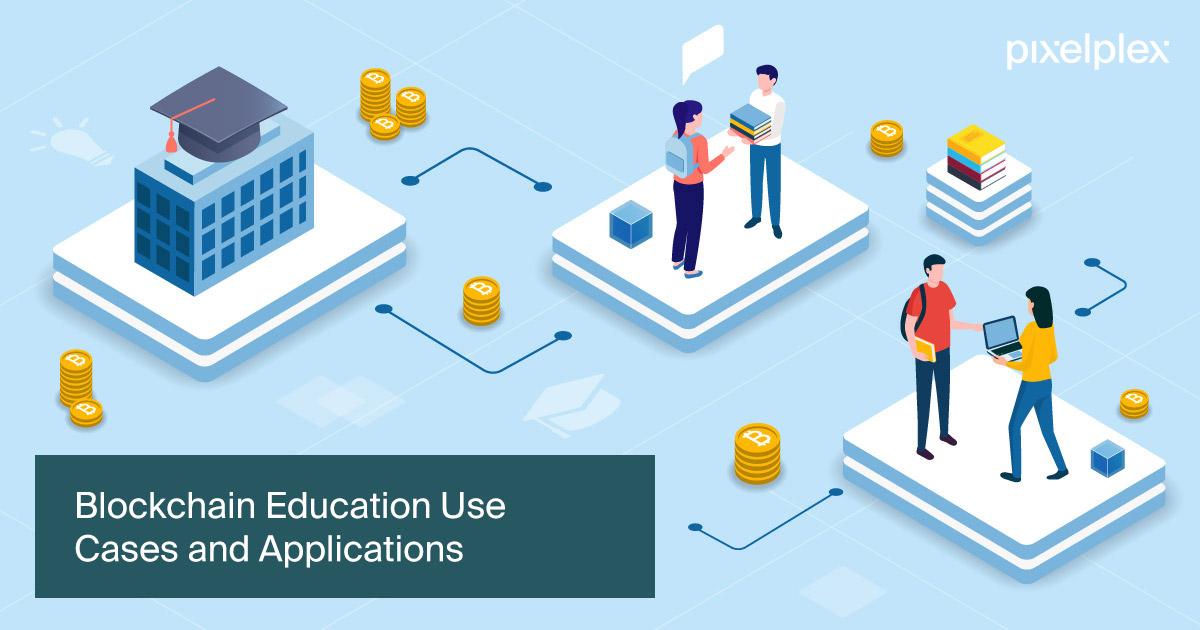
How Implementing Blockchain in Educational Institutions Revolutionizes Learning and data Security
The integration of blockchain technology in education is no longer just a futuristic concept—it’s a present-day reality that’s reshaping the entire learning surroundings. As schools, colleges, and universities increasingly face the challenges of verifying credentials, protecting sensitive data, and streamlining administrative tasks, blockchain offers powerful solutions. in this comprehensive article, we’ll explore how implementing blockchain in educational institutions revolutionizes learning and data security, drawing on real-world examples, key benefits, and actionable insights to help your institution stay ahead in the digital age.
What is Blockchain and Why Does it Matter for Education?
blockchain technology is a decentralized, distributed ledger system that allows secure, transparent, and tamper-proof recording of data and transactions. Unlike conventional databases, blockchain’s cryptographic mechanisms make it nearly impossible for data to be altered or deleted unnoticed, ensuring unparalleled security and trustworthiness.
- Secure storage of student records and credentials
- Authentic digital diplomas and certificates
- Transparent management of academic transcripts
- Enhanced privacy and ownership over personal information
As digital education grows, so does the need for robust data security and transparent credentialing—making blockchain an essential innovation for modern learning environments.
How Blockchain Revolutionizes Learning Experiences
1. Verified Digital Credentials and Transcripts
Blockchain enables the issuance of tamper-proof, easily verifiable digital academic credentials. This eradicates resume fraud and streamlines university admissions and job applications, as employers and institutions can instantly authenticate qualifications.
- Instant verification: No more lengthy background checks or risk of forged documents.
- Global portability: credentials are accessible worldwide, 24/7, benefiting international students and professionals.
2. Decentralized Learning Platforms
Decentralized platforms built on blockchain support peer-to-peer educational resources, open badges for achievements, and collaborative course creation.This fosters a more democratic and customized approach to education.
- Personalized learning paths: Students earn micro-credentials for completed modules or skills.
- Immutable records: Each achievement is permanently recorded, eliminating disputes.
3. Secure Online Assessments & Preventing Cheating
Blockchain can securely log every test submission and interaction, providing a transparent audit trail for exam integrity. Smart contracts may automate grading and ensure fair, consistent assessments.
- Real-time monitoring of exam activity
- Automated anti-plagiarism verification
Enhancing Data Security in educational Institutions with Blockchain
Data security and privacy are urgent challenges for educational institutions. traditional systems are frequently targeted by hackers,risking exposure of sensitive student and faculty records,research data,and more.
- Encrypting and decentralizing student data, eliminating single points of failure
- Giving students ownership and control over their personal information
- Auditing data access, ensuring transparency and compliance with data regulations like GDPR and FERPA
- Supporting secure sharing between institutions, employers, and students using permissioned access
By leveraging blockchain for student data management, educational organizations can greatly reduce the risks associated with data breaches and unauthorized access.
Case Studies: Blockchain Success Stories in Education
MIT’s Digital Diplomas
The Massachusetts Institute of Technology (MIT) issues blockchain-based digital diplomas that graduates can securely store and share anywhere in the world. The diplomas are cryptographically signed, allowing instant and trusted verification by employers.
University of Nicosia’s Blockchain Credentials
The University of Nicosia in Cyprus, a leader in blockchain education, uses blockchain technology to issue academic certificates. Their system simplifies cross-border verification and combats diploma fraud—a major problem for international students.
Sony Global Education’s Learning Records
Sony has launched a blockchain-based platform that securely tracks and shares student progress, results, and credentials across different schools and universities, providing a complete and secure learning history.
Practical Tips for Implementing Blockchain in Educational Institutions
Considering the transformative benefits, you might wonder how to start implementing blockchain in education. Here are effective steps and considerations:
- Start with pilot projects: Launch blockchain for a specific use-case, such as issuing digital diplomas or managing academic records.
- Choose your blockchain platform: Evaluate open-source options like Ethereum, Hyperledger, or dedicated educational platforms.
- Prioritize data privacy: Make sure solutions comply with privacy laws (GDPR, FERPA) and give students control over their data.
- Integrate with existing IT infrastructure: Ensure the blockchain system works smoothly with current databases and administrative software.
- Train staff and inform stakeholders: Provide professional progress to faculty, admin, and students to ensure broad adoption.
- Monitor and scale: Analyze outcomes, gather feedback, and expand slowly based on success and institution needs.
Challenges and Considerations
Like any emerging technology, adopting blockchain in educational environments comes with challenges:
- technical complexity: may require notable IT expertise and investment.
- Regulatory uncertainty: Laws regarding digital records and privacy are evolving and may vary by region.
- interoperability: Ensuring blockchains can communicate and share data across different platforms and systems.
- Adoption resistance: Faculty and administrative staff may be hesitant to trust or adapt to new systems.
Overcoming these hurdles requires careful planning, professional training, and choosing the right technology partners. For many institutions, the long-term benefits far outweigh the initial investments and learning curves.
Conclusion: Embracing the Blockchain Revolution in Education
The future of education lies in transparency, security, and learner-centric innovation. By implementing blockchain in educational institutions, schools and universities can fundamentally improve data security, streamline administrative processes, and establish verifiable, lifelong learning records for students. With strategic planning, pilot projects, and a focus on privacy, blockchain technology will not just enhance operations—it will empower students and educators to thrive in a rapidly evolving digital world.
As the technology matures, it’s only a matter of time before blockchain becomes a standard in educational data management and learning delivery. Forward-thinking institutions embracing this revolution will set new benchmarks in trust,efficiency,and educational excellence.