
how Implementing Blockchain in Educational Institutions Revolutionizes security and Credentialing
Blockchain technology is making waves across various sectors, and the field of education is no exception. As educational institutions grapple with issues of data breaches, credential fraud, and inefficient verification processes, blockchain presents a compelling solution. In this thorough guide,we explore how implementing blockchain in educational institutions revolutionizes security and credentialing,delving into the benefits,key use cases,practical tips,and emerging trends.
Introduction: The Need for Advanced Security and Authentic Credentialing
With the digital transformation sweeping through universities, colleges, and schools, ensuring the security of student records and the authenticity of academic credentials has become a critical priority. Traditional record-keeping systems are vulnerable to data breaches, document forgery, and processing delays. Inaccurate or falsified degrees undermine trust in educational systems, affecting students, employers, and institutions alike. As a decentralized ledger technology, blockchain offers a clear, immutable, and highly secure framework to address these pressing challenges.
What is Blockchain and How Does It Work in Education?
Blockchain is a distributed digital ledger that records transactions across multiple computers. Every block in the chain contains a record of transactions, and these blocks are cryptographically linked, making the records tamper-evident and highly resilient to hacking.
- Decentralization: No single authority has control,reducing the risk of corruption and single-point failures.
- immutability: Once data is recorded, altering it is indeed nearly impractical without consensus from the entire network.
- transparency: All stakeholders can access and audit the records, establishing trust.
In educational institutions,this means student transcripts,diplomas,certifications,and achievements can be securely stored and shared on a blockchain,making verification seamless and nearly instantaneous.
The Transformative Benefits of Blockchain in Educational Security and Credentialing
Integrating blockchain in education brings a plethora of advantages. Below are key benefits revolutionizing the sector:
- Elimination of Credential Fraud:
- Blockchain credentials are cryptographically signed and time-stamped, making it virtually impossible to counterfeit degrees or certificates.
- Streamlined Verification Processes:
- Employers or other institutions can easily verify credentials on the blockchain without intermediaries, reducing wait times from weeks to seconds.
- Enhanced Data Security and Privacy:
- Decentralized storage protects against large-scale breaches and hacks that plague centralized educational databases.
- Student Empowerment:
- Students have direct access to and control over their credentials, deciding who can access their academic records.
- Reduced Administrative Overhead:
- Automation of credential issuance and verification frees up institutional resources previously devoted to manual processing.
- Permanent & Universal Access:
- Blockchain-stored records are permanent and globally accessible, even if the issuing institution ceases to exist.
Real-World Case Studies: Blockchain Credentialing in Action
several pioneering institutions have already recognized the potential of blockchain in academic credentialing.Let’s take a look at some leading examples:
MIT – Digital Diplomas on the Blockchain
The Massachusetts Institute of Technology (MIT) launched the “Blockcerts Wallet,” issuing blockchain diplomas to graduates. This enables graduates to share tamper-proof versions of their diplomas with employers or other institutions easily and securely.
University of Nicosia – Blockchain Academic Certificates
As one of the first universities to adopt blockchain,the University of Nicosia issues digital certificates using a public blockchain network,promoting transparency and international recognition of their credentials.
National University of Singapore – Smart Certificates
The National University of Singapore has adopted blockchain-powered smart certificates, simplifying the process for students and employers to validate academic achievements instantly online.
These institutions demonstrate the importance of blockchain in education for global mobility, security, and authenticity of records.
Practical Tips for Educational institutions Implementing Blockchain Solutions
For colleges, schools, and certifications boards contemplating a blockchain rollout, consider the following roadmap:
- Identify Pain Points: Assess current issues in credentialing, record management, and verification processes.
- choose the Right Blockchain Platform: Research public (like Ethereum) or permissioned blockchains (like Hyperledger), weighing security, scalability, and regulatory concerns.
- Partner with Proven Blockchain Vendors: collaborate with technology partners experienced in blockchain digital credentials and compliance for the education sector.
- Pilot and Iterate: Start with a pilot program, issuing blockchain-based certificates for select courses before scaling up.
- Ensure Data Privacy and Security: Adhere to local and international data protection laws (such as GDPR) to safeguard student privacy.
- Train staff and Stakeholders: Organize workshops and training for IT staff, faculty, and students to facilitate smooth adoption.
- Promote Transparency and awareness: Educate students, employers, and educational partners about the authenticity and verification process enabled by blockchain.
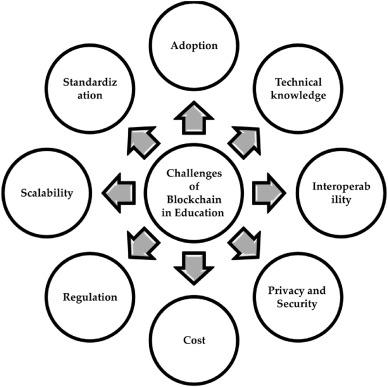
Challenges and Considerations
While the benefits are clear,implementing blockchain in education does have its challenges:
- Technical Barriers: Requires skilled IT resources and investment in infrastructure.
- regulatory Hurdles: Navigating data protection laws and ensuring regulatory compliance can be complex.
- Adoption Resistance: Faculty and administrative staff may resist change, necessitating ongoing education and support.
- Interoperability: Ensuring blockchain solutions work seamlessly across diffrent institutions and jurisdictions remains a challenge.
The Future of Blockchain in Educational Credentialing
As the world moves towards digital learning platforms and global education, blockchain-enabled credentials will increasingly become the backbone of trust and transparency in the sector. Innovations such as self-sovereign identity, decentralized transcript sharing, and alignment with international standards will continue to fuel adoption.In the coming decade, it is indeed likely that paper-based diplomas will become a thing of the past, replaced by secure, easily verifiable, and universally accepted digital credentials.
Conclusion: Building Trust, Transparency, and Security in Education
The integration of blockchain technology into educational institutions heralds a new era of security, efficiency, and trust in academic credentialing processes. As demonstrated by leading universities worldwide, blockchain-based credentials reduce fraud, simplify verification, and empower students with ownership of their academic records. Even though challenges remain, the ongoing digital transformation of the education sector makes blockchain adoption not just an innovation, but a necessity. Institutions that embrace this technology today will be at the forefront of a revolution that shapes the future of learning, employment, and global mobility.
By implementing blockchain for security in education and authentic credentialing, institutions can ensure their graduates’ achievements are recognized, trusted, and respected worldwide.