
How Implementing Blockchain in Educational Institutions Revolutionizes Security and Transparency
In today’s fast-evolving digital landscape, educational institutions face increasing challenges related to data security, credential verification, and transparency. Customary systems are frequently enough strained by cyber threats, data breaches, and growing demands for verifiable, tamper-proof academic records. Enter blockchain technology—a powerful tool that is reshaping the future of education by bolstering both security and transparency. In this extensive article, we’ll delve deep into how implementing blockchain in educational institutions is revolutionizing the way schools, universities, and other organizations manage sensitive information.
What is blockchain Technology?
Before diving into its applications in education, let’s quickly recap what blockchain technology is:
- Decentralized ledger: Blockchain is a distributed database that stores data across a network of computers, making records highly secure and resilient to cyber attacks.
- immutability: Once information is recorded, it cannot be altered or deleted, ensuring a permanent, tamper-proof log.
- Transparency: Every transaction is time-stamped and visible (public or permissioned), making auditing far easier.
- Smart contracts: Self-executing contracts automate processes,further boosting efficiency and trust.
Thes core principles make blockchain an ideal solution to tackle some of the most pressing security and transparency challenges facing education today.
How Blockchain Enhances Security in Educational Institutions
Security is a paramount concern for schools and universities, especially when managing sensitive student records and official documents. here’s how blockchain technology provides advanced protection mechanisms:
- Immutable Student records: Academic transcripts, certificates, and diplomas stored on a blockchain cannot be tampered with, ensuring lifelong validity for students and protecting institutions against forgery.
- Reduced Risk of cybercrime: As blockchain operates as a decentralized system,the risk of a single point of failure or large-scale data breach is minimal.
- Secure Identity Management: Individual identity on the blockchain is encrypted and controlled by the user, giving students greater control over who can access their data.
- Smart Contracts for Enhanced Data Control: Permissions and administrative tasks can be automated with smart contracts,reducing human error and improving accuracy.
“With blockchain, trust is no longer just a promise—it’s a guarantee embedded in the technology itself.”
The Transparency Advantage: Building Trust in Education
Transparency is key to maintaining integrity and accountability across educational processes. Here’s how blockchain fosters greater transparency:
- Verifiable Credentials: Educational credentials stored on the blockchain can be instantly validated by employers or other institutions, reducing credential fraud and simplifying the hiring process.
- Lifelong, Portable Diplomas: Students control their own academic records, which can be securely shared across borders and throughout their careers.
- Auditability of Financial Transactions: Donor contributions, scholarships, and grant disbursement records can be logged and audited with complete transparency, reducing corruption and increasing donor confidence.
- Transparent Academic Processes: Admission procedures, exam results, and even feedback mechanisms can be made transparent, promoting fairness and reducing disputes.
Benefits of Implementing Blockchain in Educational Institutions
The impact of adopting blockchain technology extends well beyond improved security and transparency.Here are the top benefits for schools, colleges, and universities:
- Fraud Prevention: Eliminates fake degrees and qualifications thanks to tamper-proof records.
- Efficient Verification: Alumni, students, and employers can instantly verify academic data without lengthy paperwork or intermediaries.
- Cost Savings: Automation of administrative tasks via smart contracts reduces operational costs and administrative workloads.
- Global Standardization: Blockchain enables standard, interoperable academic records that transcend geographic barriers.
- Student Empowerment: Learners have full control over who accesses their records, maintaining privacy and fostering ownership.
practical Tips for Integrating Blockchain in Education
Interested in bringing blockchain into your institution? Here are some actionable tips and best practices:
-
Start with Pilot Projects:
- Begin by implementing blockchain in a single department or with specific processes (e.g., transcript management or certificate issuance).
-
Choose the Right Blockchain Platform:
- Evaluate both public and permissioned blockchain solutions such as ethereum, Hyperledger, or Corda based on your privacy, scalability, and regulatory requirements.
-
Focus on data Privacy Compliance:
- Ensure that your blockchain implementation adheres to relevant privacy laws like GDPR and FERPA, especially regarding student data.
-
Engage stakeholders:
- Involve students, faculty, and IT staff early on to address concerns and build acceptance.
-
Provide Training & Support:
- Equip your team with the necessary knowlege to operate and troubleshoot blockchain-based systems.
Blockchain in Action: Real-World Case Studies
Several pioneering institutions worldwide have already adopted blockchain, demonstrating its transformative power. Let’s look at some notable examples:
MIT’s Digital Diploma Initiative
In 2017, the Massachusetts Institute of Technology (MIT) became one of the first universities to offer blockchain-secured digital diplomas. Graduates receive a tamper-proof, shareable virtual diploma via a mobile wallet app, allowing fast verification by employers anywhere in the world.
University of Nicosia
The University of Nicosia in Cyprus uses blockchain to issue academic certificates, preventing forgery and streamlining the qualification verification process for global students and employers.
Malta’s Nationwide Blockchain Credentialing
Malta’s Ministry for education has adopted a national blockchain strategy, rolling out secure digital certificates across all state schools—a world first. This initiative ensures the highest level of trust and transparency in educational credentials.
first-Hand experiences: Voices from the Field
Many educators and administrators report significant positive changes after adopting blockchain:
- Registrar’s Outlook: “Blockchain has reduced our administrative workload enormously, letting us focus more on student service then paperwork.” – University Registrar, Europe.
- Student Perspective: “I feel empowered knowing that my hard-earned credentials are safe, verifiable, and always in my control.” – Master’s Graduate, Cyprus.
- Employer’s Testimonial: “Instantly verifying a candidate’s degree with a single click not only saves time—it builds enormous trust in the hiring process.” – Tech recruiter, USA.
Conclusion: blockchain is the Future of Secure and Transparent Education
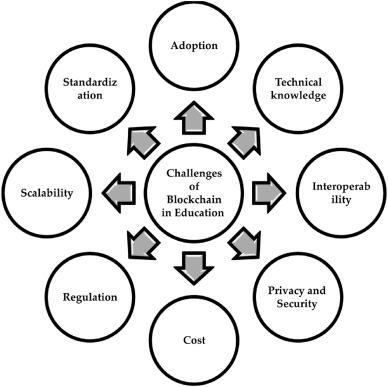
In a world increasingly shaped by digital interactions, the need for secure, transparent, and trustworthy educational systems has never been greater.Blockchain technology offers a compelling solution, revolutionizing how student data is managed, how credentials are verified, and how trust is built between learners, schools, and employers. While challenges like scalability and regulatory compliance remain, the success stories and near-infinite potential point to one clear conclusion: implementing blockchain in educational institutions is not just a trend, but a transformative leap toward a more secure and transparent future.
If you’re an educator, administrator, or policymaker, now’s the time to explore how blockchain can safeguard your institution’s integrity, reduce fraud, and empower students. The journey to a transparent, secure digital education ecosystem starts now.