
How Implementing Blockchain in Educational Institutions Transforms Learning and Credentialing
As digital transformation accelerates across industries, educational institutions are also embracing innovative technologies to enhance openness, security, and efficiency. Blockchain technology in education is rapidly emerging as one of the most promising solutions for transforming both learning processes and the credentialing of academic achievements. This article will guide you through the power of blockchain, its real-world implications for schools and universities, and how it’s setting new standards for the future of learning.
Introduction to Blockchain in Education
in recent years, blockchain has captured the attention of the education sector for its decentralized, tamper-proof, and obvious infrastructure. Known primarily for its application in cryptocurrencies, blockchain’s capabilities extend far beyond finance. When adopted by educational institutions, this technology can:
- Securely store and share academic credentials
- Improve the management of student records
- Empower students with ownership of their learning achievements
- Reduce credential fraud and administrative burdens
But how does blockchain work in education? And why is it quickly becoming a game-changer for schools, universities, and learners?
Understanding Blockchain: The Basics
Blockchain is a distributed ledger system, where data is recorded in blocks and secured using cryptographic techniques. Each block is linked to the previous one, creating an immutable chain that is shared and validated across a decentralized network. This unique structure provides several advantages for educational data management:
- immutability ensures academic records can’t be tampered with
- Decentralization eliminates single points of failure
- Transparency enables real-time verification of credentials
- security protocols protect sensitive data from cyber threats
These features create a fertile ground for revolutionizing how educational institutions manage learning achievements and credentials.
How Blockchain Transforms Learning in Educational Institutions
1. Empowering Lifelong Learning and Micro-Credentials
With blockchain-powered digital credentials, students can collect, manage, and share their complete learning journey, including micro-credentials, certificates, and degrees, in a single, verifiable digital wallet. This benefits:
- Learners: Enjoy seamless access to all academic achievements, including online courses, soft skills badges, and professional advancement milestones
- Employers: Instantly verify candidates’ qualifications, reducing time and cost spent on background checks
- Institutions: Reduce the need for manual verification while upholding academic integrity
2. Ensuring academic Integrity and Reducing Credential Fraud
Credential fraud and diploma mills are global concerns that undermine trust in education systems. Blockchain technology makes academic credentials immutable and instantly verifiable,effectively eliminating the risks of forged diplomas or inaccurate transcripts.Every record on the blockchain is:
- Timestamped
- Digitally signed by the issuing institution
- Securely encrypted
As a result, employers, other schools, and third-party services can confidently validate authentic records with minimal effort.
3. Enhancing Student Privacy and Data Ownership
Traditional student record systems often leave learners with little control over their own data. Blockchain in educational institutions places data ownership back in the hands of students, allowing them to:
- grant or revoke access to their records as needed
- Monitor usage and sharing of their academic information
- Protect sensitive personal and academic data
4. Streamlining Administrative processes
Blockchain can automate many labor-intensive tasks in education,including:
- issuing and verifying diplomas or certificates
- Maintaining student transcripts
- Tracking compliance and regulatory requirements
This automation reduces paperwork,minimizes administrative burdens,and allows institutions to focus resources on improving learning experiences.
Transforming Credentialing with Blockchain: Key Benefits
Top Benefits of Blockchain-Based Credentialing
- Instant Verification: Employers and other institutions can verify credentials in seconds, not days.
- Paperless Records: Digital credentials eliminate paperwork and reduce costs.
- Global Accessibility: Credentials are accessible anywhere, anytime, enabling international mobility for students and professionals.
- Standardization: Blockchain enables a common, interoperable framework for various types of credentials, from diplomas to badges.
- Empowered Learners: Students control their academic records, enhancing privacy and trust.
- Reduced Credential Fraud: Immutable technology ensures credentials are legitimate and tamper-proof.
Blockchain in Education: Practical Tips for Institutions
If your institution is considering a move to blockchain-based credentialing and learning management, here are some essential steps for a prosperous transformation:
- Assess Needs and Set Clear goals: Identify the key areas where blockchain can bring the most value (e.g., degree verification, transcript management, recognition of micro-credentials).
- Choose the Right Platform: There are several blockchain frameworks (like Ethereum, Hyperledger, or dedicated education solutions). Select one that aligns with your privacy, security, and usability requirements.
- Engage Stakeholders: Collaborate with faculty, students, employers, and IT teams to ensure the solution meets everyone’s needs.
- Prioritize Data Security and Compliance: Make sure your implementation is compliant with data privacy laws such as GDPR or FERPA,depending on your location.
- Start Small, Scale Fast: Begin with a pilot program—perhaps digital diplomas for a specific graduating class—and expand based on feedback.
- Provide Training: Invest in user education for both staff and students to ensure smooth adoption and maximize value from the system.
Real-World Case Studies: Blockchain in Action
MIT’s Digital Diplomas
The Massachusetts Institute of Technology (MIT) implemented the Blockcerts platform to issue tamper-proof, digital diplomas to graduates. Using a mobile app, students gain lifelong access to their credentials and can share them with employers or educational platforms globally. This program has been met with strong approval and inspired similar initiatives in universities worldwide.
University of Nicosia’s Blockchain Credentials
The university of Nicosia in Cyprus, renowned for its blockchain academic programs, issues all diplomas and certificates on the bitcoin blockchain. This not only enhances security but also positions the university as a pioneer in technology adoption.
India’s National Academic Depository
India launched a National Academic Depository, leveraging blockchain technology to digitally store and issue certificates from verified universities, facilitating nationwide verification and reducing fraud incidents.
challenges and Considerations
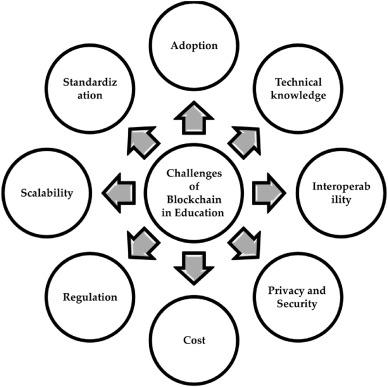
While blockchain offers immense promise, implementing it in education also comes with challenges:
- Initial Costs: Upfront investment in technology and training can be significant.
- Interoperability: Ensuring seamless data exchange between diffrent institutions and systems remains a hurdle.
- Regulatory compliance: Navigating privacy laws and regional regulations requires careful planning and expertise.
- Change Management: Cultural shifts and resistance to adopting new processes can slow down implementation.
Despite these barriers, the growing ecosystem of blockchain solutions and increasing awareness among education leaders are paving the way forward.
Conclusion: The Future of Blockchain in education
The integration of blockchain technology in educational institutions marks a paradigm shift in how learning achievements are captured, managed, and shared. By embracing blockchain, schools and universities can offer:
- Enhanced transparency and trust in academic records
- More streamlined administrative operations
- Empowered, digitally savvy learners ready for the workforce
- A robust defense against credential fraud
The adoption of blockchain is more than a technological upgrade—it’s about unlocking new value in education, fostering lifelong learning, and preparing institutions for a digital future. As more educational leaders explore and invest in blockchain, the sector will continue to evolve and set a new standard for trustworthy, learner-centric education.
Ready to learn more about transforming your educational institution with blockchain? Stay tuned for additional resources, case studies, and practical guides—your journey toward the future of credible, secure, and student-centered credentialing starts now.