
How Implementing Blockchain in Educational Institutions Transforms Learning and Data Security
Blockchain technology isn’t just shaking up finance—it’s poised too revolutionize educational institutions as well. By leveraging blockchain in education, schools and universities can ensure unprecedented security, clarity, and efficiency for student records, credentials, and learning processes. This article explores how implementing blockchain in education transforms both learning experiences and data security, offering insightful case studies, benefits, and practical advice for institutions looking to embrace this digital innovation.
understanding Blockchain in Education
Blockchain is a decentralized digital ledger that records transactions across multiple systems, ensuring no record can be altered retroactively without consensus. In the context of educational institutions, this means student data, academic credentials, and transcripts can be securely stored, verified, and shared with authorized parties, all while reducing the risk of data tampering or loss.
- Immutability: Once stored,data cannot be changed,ensuring integrity.
- Decentralization: Data is maintained on a distributed network, eliminating single points of failure.
- Transparency: Auditable and traceable record-keeping for sensitive documents.
- Smart Contracts: Automated agreements streamline operational and administrative processes.
Implementing blockchain in education offers a secure, clear foundation for digital change, reshaping how learning paths and data are managed and shared.
Key Benefits of Blockchain in Educational Institutions
integrating blockchain technology into educational institutions produces a host of advantages for students, staff, and the broader academic community.
1. Enhanced Data Security and Privacy
- Robust Protection: Blockchain’s cryptographic principles protect sensitive data from breaches and unauthorized access.
- Self-Sovereign Identity: Students control their academic profiles, deciding who can access their credentials.
- Reduced Risk of Fraud: Academic qualifications and certifications are verifiable, decreasing misrepresentation in the workforce.
2. Simplified Credentials Verification
- Instant Validation: Employers and institutions can instantly verify transcripts or diplomas via blockchain, eliminating lengthy manual checks.
- Global Recognition: Blockchain facilitates international acceptance of academic records by eliminating country-specific verification hurdles.
3. Empowering Personalized and Lifelong Learning
- Digital Learning Passports: Students own a digital portfolio showcasing skills, micro-credentials, and academic milestones.
- Flexible Pathways: Learners can stack credentials from multiple sources, supporting non-linear and interdisciplinary education journeys.
4. Operational Efficiency and Cost Reduction
- Automated Administration: Smart contracts automate degree issuance,tuition payments,and course registrations.
- Reduced Paperwork: Digital records minimize manual processing, freeing up staff to focus on strategic tasks.
Real-World Case Studies: Blockchain transformation in Action
Several pioneering educational institutions are already demonstrating how blockchain implementation radically reshapes operations and student experiences.
MIT: Digital Diplomas on the Blockchain
The Massachusetts Institute of Technology (MIT) is at the forefront, issuing digital diplomas using the Blockcerts platform.Graduates receive a tamper-proof digital certificate accessible on mobile devices—a leap forward in combating academic fraud and streamlining hiring.
university of Nicosia: Blockchain for Global Credentialing
The University of Nicosia in Cyprus implemented blockchain-based certificates for all graduates. This not only ensures security but also facilitates the global recognition of credentials, supporting students pursuing opportunities abroad.
Sony Global Education: Blockchain for Learning analytics
Sony Global Education’s blockchain platform allows schools to securely and transparently track student achievement and learning analytics,empowering educators with actionable insights while safeguarding privacy.
Practical Tips for Implementing Blockchain in Educational Institutions
Ready to bring blockchain to your school, college, or university? Here’s how to start:
- Assess Your Needs: Determine which processes (e.g., credentialing, record-keeping) would benefit most from blockchain integration.
- Choose the Right platform: Consider open-source solutions like Blockcerts or commercial educational blockchain platforms tailored to your scale.
- Start with Pilot Projects: Begin with small-scale implementations (digital badges, micro-credentials) to test utility and collect feedback.
- invest in Training: Educate IT staff, administrators, and faculty on blockchain fundamentals and best practices for deployment.
- Ensure Legal Compliance: Work with legal counsel to ensure compliance with data protection laws such as GDPR or FERPA.
- Engage Stakeholders: Include students, faculty, and external partners in the planning process to drive adoption and trust.
- Plan for Integration: Ensure your blockchain tools can communicate with existing Student Data Systems (SIS) and Learning Management Systems (LMS).
Overcoming Challenges and Future Outlook
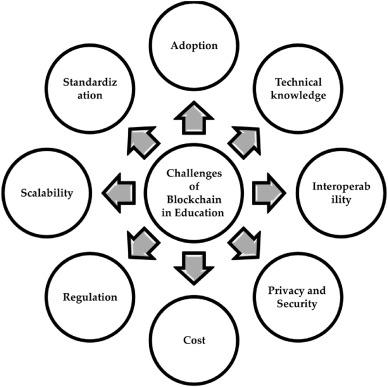
While the promise of blockchain in educational institutions is immense, challenges must be addressed for widespread adoption:
- Scalability: As user numbers grow, blockchain platforms must efficiently handle increased data without lag or risk.
- Interoperability: Developing standards ensures different educational and blockchain systems can seamlessly communicate.
- Regulatory hurdles: Data privacy frameworks and cross-border legal policies must catch up to technological innovation.
Despite these hurdles, ongoing research and pilot projects suggest a shining future. As technologies mature and regulatory frameworks solidify, blockchain is set to become a cornerstone of secure and flexible education worldwide.
Conclusion: Blockchain Is Transforming Learning and Data Security
In today’s digital-first environment, blockchain technology in educational institutions is more than a buzzword—it’s a practical framework that underpins secure, transparent, and flexible learning ecosystems. From safeguarding academic records to empowering personalized learning journeys and simplifying credentials verification, blockchain is unlocking new possibilities for how educational data is managed and leveraged.
Forward-thinking schools and universities that adopt blockchain will not only enhance data security but also cultivate a culture of trust, innovation, and global competitiveness. As you consider the digital transformation journey, remember: the future of education is decentralized, secure, and student-centric—and blockchain is leading the way.
Ready to learn more? Explore blockchain platforms for education, consult with digital strategy experts, and start your journey toward a more secure and transformative learning environment.