
How Implementing Blockchain is Revolutionizing Educational Institutions: Benefits & Strategies
The digital change of the education sector is in full swing—with technology driving new possibilities for students, educators, and administrators alike. Of all the emerging technologies, blockchain stands out as a true game-changer. But how exactly is implementing blockchain revolutionizing educational institutions? In this extensive guide, we’ll uncover the tangible benefits, real-life applications, and proven strategies to help academia unlock the full potential of this innovative technology.
What is Blockchain and Why is it Relevant to Education?
at its core, blockchain is a decentralized, distributed ledger technology that enables secure, obvious, and tamper-proof recording of transactions or data. Originally developed for cryptocurrencies like Bitcoin, blockchain’s unparalleled features are now being harnessed beyond finance, with educational institutions at the forefront of this digital revolution.
- Decentralization: Eliminates single points of failure and reduces dependence on intermediaries.
- Transparency: Ensures records and transactions are visible and traceable.
- Security: Utilizes advanced cryptography to protect data from unauthorized alterations.
The Benefits of Implementing Blockchain in Educational Institutions
Integrating blockchain technology into school and university operations offers a multitude of benefits:
1. Immutable Academic Records & Credential Verification
- Tamper-proof records: Blockchain ensures academic transcripts and certificates are immutable, reducing fraud and ensuring trustworthiness.
- Instant verification: Employers and other institutions can efficiently verify educational qualifications without the need for time-consuming third-party checks.
- Digital diplomas: Secure, digital certificates enable graduates to share credentials easily and quickly, expediting hiring and admissions processes.
2. Streamlined Student Information Management
- Unified profiles: Blockchain enables the creation of comprehensive, decentralized student profiles, providing a single source of truth from kindergarten through university.
- Improved data privacy: Students maintain control over their information, selectively sharing access as required.
3. Enhanced Administrative Efficiency
- Automated processes: Smart contracts can automate
admissions, tuition payments, and course registrations, reducing administrative burdens and minimizing errors. - Cost savings: Fewer intermediaries and paperwork lead to ample cost reductions for institutions.
4. Securing Intellectual Property and Research
- Time-stamped records: Blockchain can securely time-stamp and store academic research, protecting intellectual property rights and facilitating transparent peer review.
- Fraud prevention: Prevents plagiarism and ensures the authenticity of research outputs.
5. Empowering Lifelong Learning and Micro-Credentials
- Digital badges and micro-credentials: Learners can earn, display, and combine credentials from various sources, supporting continuous professional growth.
- Portability: Blockchain-recognized achievements are easily transferable between institutions and countries.
Real-World Case Studies: Blockchain in Education
Several pioneering institutions have already taken bold steps to implement blockchain in education, achieving outstanding results:
- MIT’s Digital Diploma Initiative: The Massachusetts Institute of Technology (MIT) issues blockchain-based digital diplomas, allowing graduates to instantly share and verify their credentials with employers globally.
- University of Nicosia: This Cypriot university was one of the first to issue academic certificates through blockchain, promoting transparency and security in credentialing.
- Open University UK: Successfully piloted a blockchain platform to track and verify lifelong learning achievements and micro-credentials.
- Malta’s Education Ministry: Launched a national blockchain-based system to securely manage academic certificates for all students across the country.
Key Strategies for Implementing Blockchain in educational Institutions
Ready to bring blockchain to your school or university? Here’s how to start innovating:
1.Assess Institutional Needs and Set Clear Objectives
- determine which challenges blockchain is best positioned to solve—certificate fraud, data management, or administrative inefficiencies?
- Set specific, measurable goals such as improving verification speed or reducing paperwork.
2. Choose the Right Blockchain Platform
- Evaluate both public and private blockchain options (such as Ethereum, Hyperledger Fabric, or custom solutions) based on security, scalability, and ease of integration.
- Consider interoperability with existing student information systems and third-party solutions.
3. Engage stakeholders and build Consensus
- Involve administrators, faculty, students, and IT teams early to ensure widespread buy-in and address concerns.
- Conduct workshops and training sessions to demystify blockchain’s operation and benefits.
4. Start Small with Pilot Projects
- Select a manageable project—such as blockchain-based digital certificates or secure recordkeeping—to test viability and gather feedback.
- Iteratively expand blockchain solutions across other use cases once initial success is demonstrated.
5. Ensure Compliance and Data Security
- Work closely with legal teams to align blockchain deployment with data privacy regulations (GDPR, FERPA, etc.).
- Implement robust cybersecurity protocols to safeguard sensitive educational data on the blockchain.
6. Foster Collaboration and Knowledge Sharing
- Partner with other institutions, edtech startups, and blockchain consortia to leverage shared expertise and resources.
- Stay informed about evolving best practices and standards for blockchain implementation in education.
Overcoming Challenges: What to Watch Out For
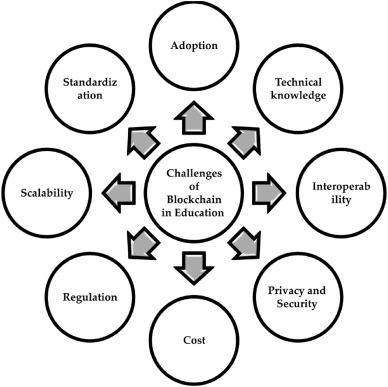
implementing blockchain in educational institutions is not without challenges. Here’s what to anticipate and how to address common hurdles:
- Technical Expertise: Many organizations lack in-house blockchain experts. Collaborate with technology partners or train internal staff.
- Initial Costs: The upfront investment can be significant but leads to long-term efficiencies. Start with small-scale pilots to manage risk and costs.
- Change Management: Institutional inertia and staff resistance can slow adoption. Prioritize stakeholder engagement and transparent communication.
- Regulatory Uncertainty: Stay updated with regional and international compliance requirements for blockchain in education.
Expert Tips for Maximizing the Impact of Blockchain in Education
- Prioritize learner outcomes: Focus on use cases that genuinely enhance student experience, such as instant credential verification or personalized learning pathways.
- Leverage smart contracts: Use programmable agreements to streamline processes like tuition billing, course transfers, or issuing certificates.
- Encourage open standards: Opt for interoperable systems to ensure scalability and collaboration across institutions.
- Monitor and measure: Regularly review performance metrics—cost savings, satisfaction rates, verification times—to inform ongoing improvements.
Conclusion: The Future of Blockchain in Education
As the digital age reshapes every aspect of learning and administration,implementing blockchain in educational institutions has emerged as a powerful strategy for driving trust,efficiency,and innovation. From tamper-proof academic records to new models of lifelong learning, the potential applications are vast and transformative.
By understanding blockchain’s benefits, learning from real-world pioneers, and following strategic implementation steps, both schools and universities can position themselves at the leading edge of educational innovation. Embrace blockchain today—and unlock a more secure, transparent, and student-centered future for your institution.