
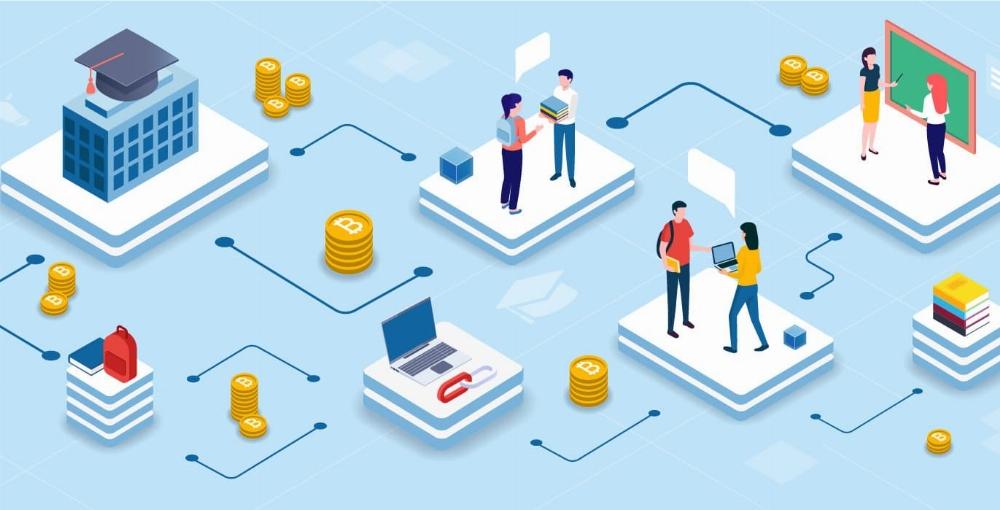
How Implementing Blockchain is Transforming Educational Institutions: A Guide for Schools and Universities
Blockchain technology is no longer reserved for cryptocurrencies and finance.Today,educational institutions are harnessing blockchain’s transformative potential to improve security,transparency,and efficiency in academic governance. From authenticating diplomas to combating fraud and streamlining student records,implementing blockchain in education is rapidly becoming a best practice for forward-thinking schools and universities.
This definitive guide will explore how blockchain technology is revolutionizing the educational landscape, highlight its key benefits, examine pioneering case studies, and offer practical tips for institutions ready to embrace digital transformation.
What is Blockchain and Why Does It Matter in Education?
At its core, blockchain is a decentralized digital ledger that securely records transactions in a transparent and immutable way. Unlike traditional databases,blockchain does not rely on a single central authority,making it almost impossible to alter or forge data clandestinely.
When schools and universities implement blockchain, they gain:
- Enhanced data security – Student records are protected against tampering and cyberattacks.
- Increased transparency – All parties can see a verifiable, chronological record of academic achievements.
- Efficient administration – Automated processes reduce bureaucratic delays and paperwork.
These features make blockchain technology in education an ideal solution for common challenges such as credential fraud, transcript verification, and secure record storage.
Key Benefits of Blockchain Implementation in Educational Institutions
Let’s dive deeper into the top advantages that schools and universities gain through blockchain adoption:
1. Combatting Academic Fraud
Diploma mills and forged credentials are a significant concern worldwide. Blockchain for academic credentials enables the creation of tamper-proof digital certificates. Employers, graduate schools, and licensing bodies can easily access and verify records, ensuring authenticity without third-party intervention.
2. Streamlined Student Data Management
With blockchain student records, learners own thier academic achievements, transferring them seamlessly across institutions or to employers.This decentralization empowers students while simplifying transfers and credit recognition.
3. Efficient Administration and Reduced Costs
By automating verification, graduation processing, and even financial aid disbursement using smart contracts, blockchain technology can eliminate redundant manual processes. This reduces administrative workload and operational costs.
4.Improved Privacy and Data Sovereignty
Only authorized users can access sensitive facts, and students can grant or revoke access as needed. this supports compliance with regulations like the General Data protection Regulation (GDPR) and other privacy standards.
5. Enhanced Collaboration and Research Sharing
Blockchain in higher education fosters secure, decentralized sharing and attribution of research data and intellectual property, ensuring researchers receive proper recognition and protecting against data tampering.
Real-World Blockchain Adoption in Education: Case Studies
Adopting blockchain solutions for educational institutions is not just theoretical—many organizations have already paved the way. Let’s explore a few notable examples:
- Massachusetts Institute of Technology (MIT): MIT’s Digital Diploma project issues blockchain-based diplomas as easily shareable, verifiable records. Graduates retain lifelong, secure access without the need for university mediation.
- University of Nicosia: As a blockchain education pioneer, the university issues certificates and transcripts on the Bitcoin blockchain, making verification instantaneous and borderless.
- UNESCO’s OpenBlockchain initiative: Working with global partners, UNESCO explores blockchain to improve recognition of academic qualifications across borders, furthering educational equity and mobility.
- Sony Global Education: Sony, in partnership with other stakeholders, developed a blockchain platform for sharing and managing student records at scale.
Practical Tips for Implementing Blockchain in Schools and Universities
Moving from theory to practice requires thoughtful planning. Here’s a step-by-step approach for educational institutions exploring blockchain implementation:
- Identify Use-Cases: Determine where blockchain could add the most value—diploma verification, transcript management, student identity, micro-credentialing, or research data integrity.
- Engage Stakeholders: Involve faculty, administrative teams, IT departments, and students in the planning and design process.
- Choose the Right Blockchain Platform: Evaluate options like Ethereum,Hyperledger,or public versus private blockchains,depending on scalability and security needs.
- Pilot the Solution: Start with a small-scale proof of concept. For example, use blockchain to verify a single graduating class’s diplomas before full rollout.
- Prioritize Compliance: Ensure your implementation aligns with privacy laws and academic policies (GDPR, FERPA, etc.).
- Educate Your Community: Offer training and workshops to demystify blockchain for staff and students, encouraging adoption and addressing concerns.
- Measure & Refine: Continuously monitor outcomes, gather feedback, and adapt your strategy as technology and institutional needs evolve.
Common Challenges and Solutions
While the case for blockchain in education is strong, institutions should be aware of potential hurdles:
- Technical Expertise: Collaborate with blockchain solution providers or universities with existing experience.
- Budget Constraints: Leverage open-source platforms or explore partnerships and grants for innovation in education technology.
- Regulatory Ambiguity: Work with legal advisors and governing authorities to clarify compliance requirements in your region.
- User Resistance: Proactively address concerns through transparent dialog and pilot programs demonstrating real-world benefits.
A First-Hand Perspective: Voices from the Field
“Implementing blockchain for digital credentials has been a game-changer for our university,” shares Dr. Sofia Markou, IT Director at the University of Nicosia. “Our graduates appreciate the autonomy and simplicity,and employers are thrilled by the instant,tamper-proof verification. Operationally, we’ve diverted resources from repetitive paperwork to more strategic student support initiatives.”
Students echo these sentiments: “Receiving my digital diploma was empowering—I can share it with anyone, anywhere, without relying on offices to send it or fearing it might very well be lost in translation,” reports a recent MIT graduate.
Future Trends: What’s Next for Blockchain in education?
The ecosystem for blockchain and education will only grow richer in coming years. Emerging trends include:
- Micro-credentialing and lifelong learning passports: Blockchain supports granular recognition of skills, courses, and extracurricular achievements.
- Decentralized autonomous organizations (DAOs) for academia: Enabling collaborative research and funding through transparent, community-driven decision-making.
- Global interoperability: Blockchain will help solve cross-border recognition and transfer issues,making education more portable than ever before.
Conclusion: Is Your Institution Ready to Transform With blockchain?
The journey towards implementing blockchain in schools and universities is not without its challenges, but the rewards are significant. Blockchain can secure academic data, empower learners, streamline administration, and open new horizons for global collaboration. As the technology matures, early adopters will set the benchmark for trust, efficiency, and innovation.
For any institution striving to lead in the digital age, now is the time to explore blockchain’s potential, pilot practical applications, and prepare your association for the future of education.
If you found this guide helpful, explore our other articles on education technology and digital transformation, or contact us to learn more about blockchain consultancy for schools and universities.