
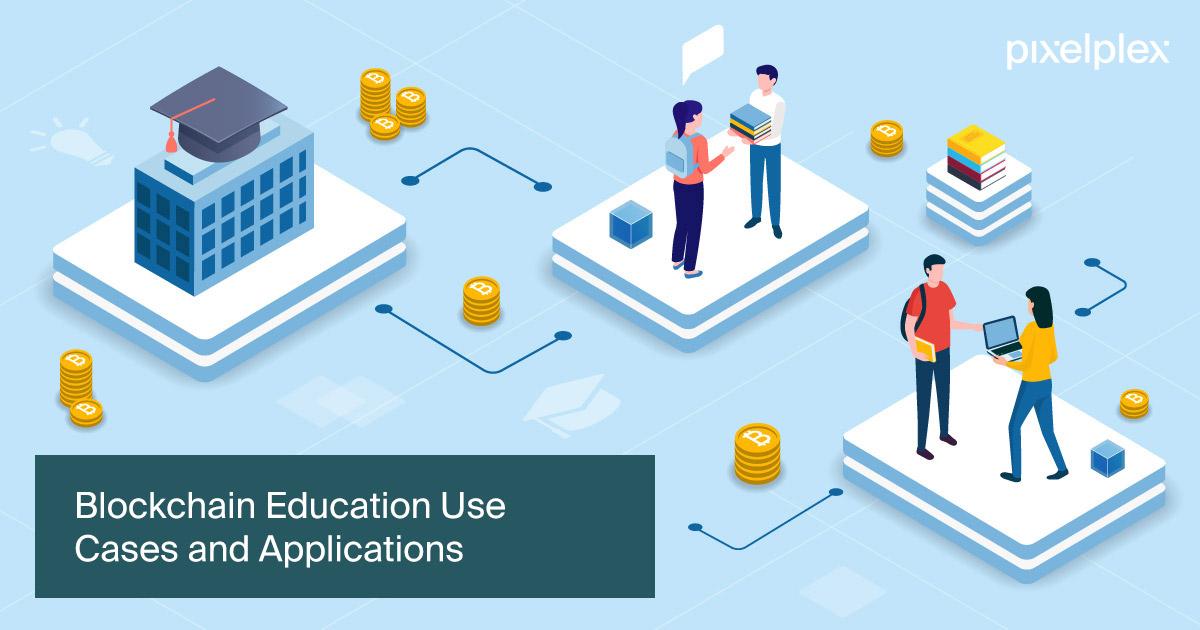
How Implementing Blockchain is transforming Educational Institutions: Benefits and Best Practices
In today’s rapidly evolving digital landscape, the education sector is increasingly embracing cutting-edge technologies to enhance learning experiences, secure academic data, and streamline administrative processes. One such technology capturing the attention of educational leaders is blockchain. From protecting student records to verifying academic credentials and fostering collaboration, implementing blockchain in educational institutions is fundamentally transforming how schools, colleges, and universities operate. This article explores the benefits, real-world applications, and best practices for leveraging blockchain in education.
Understanding Blockchain in the Education Sector
Blockchain is a decentralized digital ledger that records transactions securely and transparently across multiple computers. In education, blockchain’s distributed nature ensures that sensitive student data, certificates, and intellectual property can be recorded, stored, and shared safely without risk of tampering or fraud.
- Immutability: Once information is entered into a blockchain, it cannot be altered or deleted.
- Transparency: All stakeholders have access to an identical,up-to-date record.
- Decentralization: Removes the need for a central authority, reducing single points of failure.
- Security: Utilizes advanced cryptographic techniques to safeguard data.
The Major Benefits of Implementing Blockchain in Educational Institutions
Educational institutions using blockchain technology enjoy a wide range of advantages that go beyond simple record keeping. Hear’s a closer look at the main benefits:
1. Enhanced Data Security and Integrity
- Protection against data breaches: Blockchain’s encrypted nature helps prevent unauthorized access to student records and sensitive information.
- Reduced risk of forgery: Certificates stored on blockchain are easily verifiable, reducing diploma fraud and transcript manipulation.
2. Streamlined Credential Verification
- Instant verification: Employers and partner institutions can easily verify degrees, diplomas, or certifications without lengthy manual processes.
- Global recognition: blockchain credentials are recognized worldwide,facilitating student mobility and cross-border opportunities.
3. Simplified Administrative Processes
- Automated workflows: Smart contracts can automate tasks such as enrollment, grading, and tuition payments, saving time and reducing human error.
- Permanency of records: Student achievements, coursework, and awards are permanently stored, even if an institution closes or a student transfers.
4. Empowering Students
- Self-sovereign identity: Students control their own digital profiles, deciding who accesses their academic history.
- Lifelong learning portfolios: Blockchain makes it easier for students to maintain and showcase a holistic learning record that includes micro-credentials, badges, and informal achievements.
5. Promoting Transparency and Trust
- Ensures authentic dialog of grades, degrees, and accreditations between all parties and stakeholders.
- Helps combat “degree mills” and credential inflation.
Real-World Case Studies: blockchain Adoption in Education
Numerous pioneering educational institutions around the globe have integrated blockchain solutions with remarkable success:
- MIT (Massachusetts Institute of Technology): MIT Media Lab issues blockchain-based digital diplomas, allowing graduates to share their verified credentials instantly with employers.
- University of Nicosia (Cyprus): Early adopters, they use blockchain to publish academic certificates and transcripts, making verification rapid and fraud-resistant.
- Holberton School (USA): Uses blockchain to award and authenticate student diplomas, improving transparency for both students and potential employers.
- Malta’s Ministry for Education: Launched a national blockchain platform to store student academic records from all levels, boosting data security and academic mobility.
Best Practices for Implementing Blockchain in Educational Institutions
To maximize the impact of blockchain in education, institutions should follow a strategic approach that considers both technical and organizational aspects. Here are some essential best practices:
- Establish Clear Objectives: identify specific pain points—such as credential fraud,slow administrative processes,or data silos—that blockchain can address. Set measurable goals for adoption.
- Select the Right Blockchain Platform: Evaluate whether a public, private, or consortium blockchain aligns best with your institution’s workflow, privacy requirements, and cost constraints.
- Collaborate with Stakeholders: involve faculty,students,IT professionals,and administrative staff in the planning and execution process to ensure broad buy-in and smooth adoption.
- Prioritize Security and Compliance: Implement robust encryption and ensure compliance with data privacy regulations (such as GDPR or FERPA) when storing or processing student data.
- Integrate with Existing Systems: Choose blockchain solutions that can interface seamlessly with your Learning Management Systems (LMS), student information systems, and institutional databases.
- Provide Training and Support: Offer educational workshops, resources, and ongoing support for staff and students to facilitate a smooth transition and promote digital literacy.
- Monitor and Evaluate: Continuously track key performance indicators and solicit feedback to fine-tune the blockchain implementation as needed.
Addressing Challenges and Considerations
As with any technology, implementing blockchain in educational institutions comes with challenges:
- Initial Costs: Setting up blockchain infrastructure requires investment in software, hardware, and training.
- Regulatory Uncertainty: Compliance with national and international data protection laws is evolving and must be prioritized.
- Scalability: Certain blockchain networks may face performance issues as transaction volumes grow.
- Change management: Shifting conventional processes onto the blockchain can encounter resistance from stakeholders and legacy systems.
Proactive planning, stakeholder engagement, and selecting scalable, compliant solutions are key to overcoming these barriers.
First-Hand Experience: Voices from the Field
“Implementing blockchain at our university elevated how we verify credentials and share student achievements. The speed, security, and transparency gained have been invaluable to both our graduates and administrative staff.”
— Technology Director, European University
“blockchain opened up seamless international partnerships. Our students can now study abroad more easily, as their credits and records are instantly verifiable.”
— International Liaison Officer,Asian Academic Consortium
Conclusion: The Future of Blockchain in Education
Blockchain technology is no longer a distant promise—it’s a present-day solution revolutionizing the education sector. By enhancing security, transparency, and efficiency, blockchain empowers educational institutions to serve students, staff, and employers better.As the technology matures and case studies multiply, now is the ideal time for forward-thinking schools and universities to start their blockchain journey. By adhering to best practices and prioritizing stakeholder engagement, institutions can ensure successful adoption and long-term value.
Ready to future-proof your institution? Explore how blockchain can redefine your educational processes and position your institution at the forefront of academic innovation.