
How Implementing Blockchain is Transforming Educational Institutions: Benefits & Best practices
Blockchain technology is no longer restricted to the realms of finance and cryptocurrency; its transformative potential is now being recognized across diverse sectors — educational institutions included. As the need for secure, clear, and efficient management of academic records and processes intensifies, blockchain stands out as a leading innovation. In this article, we’ll explore how implementing blockchain is propelling education forward, the tangible benefits it brings, real-world case studies, and smart strategies for seamless adoption.
Introduction: The Rise of Blockchain in Education
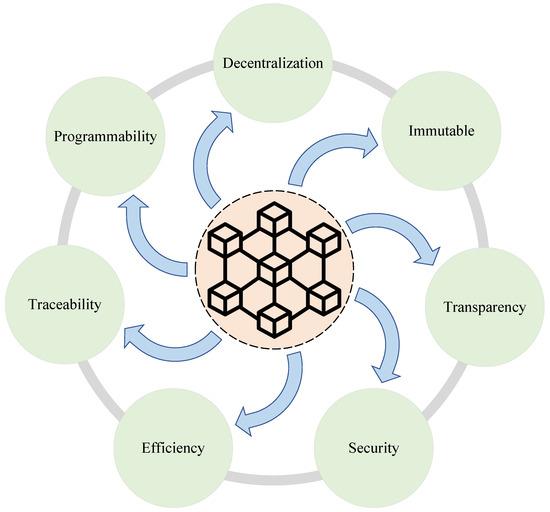
from enrollment management to credential verification, educational institutions have long grappled with challenges related to data security, clarity, and efficiency. Blockchain — a decentralized, digital ledger — offers an immutable and transparent solution, storing data securely while granting access control to authorized parties. Implementing blockchain in educational institutions isn’t just a futuristic vision; it’s a present-day reality driving impactful change worldwide.
How Blockchain Works in Education
Understanding how blockchain operates in the educational context is crucial. Simply put, every transaction — whether issuing a diploma, recording grades, or storing student credentials — is logged as a ‘block’ on a digital ‘chain.’ This ledger is distributed across multiple nodes (computers) within a network, making tampering virtually unachievable. Here’s how blockchain elevates the management of academic data:
- Decentralized Storage: Academic data isn’t stored on a single server but distributed, making it more resilient to cyberattacks.
- Immutable Records: once student records or credentials are added, they cannot be modified or deleted, ensuring integrity.
- Smart Contracts: Automates processes like certification, admissions, and credit transfer without human intervention.
- Access control: Only authorized individuals can make entries, and students can control who accesses their records.
The Key Benefits of Implementing Blockchain in Educational institutions
Let’s delve into the specific advantages that blockchain brings to schools, colleges, and universities aiming to digitize and future-proof their operations.
1. Enhanced Data Security and Privacy
Education systems store sensitive data—personal information, academic records, and transcripts. Blockchain’s encrypted and decentralized nature drastically reduces the risks of hacking, unauthorized manipulation, and data loss.
2. Streamlined Credential verification
Fake degrees and certificate fraud seriuosly impact institutional credibility.Blockchain makes verification near-instantaneous and tamper-proof. Employers and other educational institutions can trust that credentials are legitimate, as they’re verifiable on a shared, transparent ledger.
3. Improved Administrative Efficiency
- Automated processes: Smart contracts enable automation of enrollments, grading, and credits transfer, reducing manual paperwork and errors.
- Lower costs: By eliminating intermediaries and reducing administrative overhead, institutions save time and resources.
4.Empowered Student Ownership of Data
Blockchain allows students to manage their own academic records and control who views or shares them. This portability and self-sovereignty reflect a shift towards a more student-centric education system.
5. Fostering New Learning Models
Micro-credentialing, continuing education, and lifelong learning initiatives are easier to facilitate and recognize through blockchain-registered badges and modular certificates, allowing for personalized and flexible educational pathways.
Best Practices for Blockchain Implementation in Education
To maximize the impact and ROI of blockchain, educational leaders should adhere to the following best practices:
- Start Small, Scale Smart: Pilot blockchain in a single process (e.g., digital credentialing) before a campus-wide rollout.
- Stakeholder Buy-In: Involve IT, governance, faculty, and students early to ensure alignment and address concerns.
- Data Privacy Compliance: Align with regulations like FERPA, GDPR, and local data protection laws.
- choose the Right Platform: Select a blockchain solution tailored for education, prioritizing scalability, security, and interoperability.
- Focus on Integration: Ensure that blockchain platforms can integrate smoothly with existing Student Information systems (SIS) and Learning Management Systems (LMS).
- Continuous Training and Support: Provide hands-on training for staff and students to foster adoption and confidence.
Real-World Case Studies: Blockchain in Action
Several pioneering institutions and EdTech companies have showcased how blockchain can successfully transform educational processes. Here are a few inspiring examples:
MIT’s Digital Diplomas
The Massachusetts Institute of Technology (MIT) has issued blockchain-based diplomas since 2017. Graduates receive both a paper certificate and a digital diploma, secured via blockchain. The system empowers students to easily share authentic, tamper-proof credentials with employers and other institutions — no third-party verification needed.
University of nicosia’s Blockchain Certificates
The University of Nicosia in Cyprus allows students to instantly verify their academic credentials on a public blockchain. This open-access approach has streamlined international admissions and improved trust in the university’s certifications.
Sony Global Education’s Blockchain Platform
Sony Global Education partnered with IBM to develop a blockchain-based educational platform that records learning progress and achievements. By integrating blockchain, sony enables dynamic sharing of student records among authorized schools and stakeholders.
First-Hand Experiences: Voices from the Field
Let’s hear from those on the front lines of implementing blockchain in education:
“Blockchain gave us a single source of truth for student records. Our administrative burden reduced considerably, and graduates can now prove their credentials anywhere in the world within seconds.”
— registrar, leading european University
“Integrating blockchain with our LMS was simpler than we thought. The digital badges have motivated students to engage in extra-curricular learning and share their progress online.”
— EdTech Director, K-12 School District
Tips and Considerations for Success
If you’re considering incorporating blockchain into your educational institution, keep these actionable tips in mind:
- education is Key: Run workshops and seminars so all users understand the benefits and security features of blockchain.
- Partner with Experts: Work with blockchain advancement firms or consortiums specialized in educational technology.
- Focus on user Experiance: implement intuitive interfaces so that students and staff find blockchain tools welcoming, not intimidating.
- Monitor Trends: Stay connected with the global edtech community to keep learning from emerging best practices and technological advancements.
Future Prospects: The Road Ahead for Blockchain in Education
Blockchain is still in its early stages within the world of education, but its exponential growth is undeniable. With the advent of Web3, decentralized identities, and open learning ecosystems, educational institutions that integrate blockchain today are positioning themselves at the forefront of transparency, trust, and innovation. The technology can facilitate credit transfer between universities globally, support verifiable e-portfolios, and power smart contracts to streamline scholarships and funding disbursals.
Conclusion: Embracing Blockchain for a Transparent and Efficient Education System
implementing blockchain is revolutionizing how educational institutions operate. the technology’s unmatched security, transparency, and efficiency are reimagining everything from credentialing to administrative management. By learning from early adopters, following best practices, and maintaining a student-centric approach, schools and universities can unlock the full potential of blockchain. As education continues to evolve, blockchain’s promise of secure, tamper-proof, and accessible records will become the new gold standard — ensuring academic integrity and empowering learners worldwide.
Are you ready to future-proof your educational institution with blockchain? Start today, and lead the charge in digital change that benefits students, staff, and the global education community.