
How Implementing Blockchain is Transforming Educational Institutions: Key Benefits and Strategies
Blockchain technology has rapidly shifted from being the backbone of cryptocurrencies to a versatile tool with real-world applications.In the realm of education, the implementation of blockchain is redefining how institutions operate, ensuring data integrity, bolstering transparency, and improving overall student experiences. In this comprehensive guide, we explore how implementing blockchain in educational institutions is transforming the sector, highlight key benefits, showcase practical strategies for adoption, and provide case studies of real-world successes.
Introduction: Blockchain in the Educational Landscape
In today’s digital-first world, educational institutions face challenges of data security, credential verification, administrative efficiency, and maintaining academic integrity. While traditional centralized systems often fall short in addressing these concerns,blockchain technology offers decentralized,tamper-proof,and transparent solutions. Whether you are a university administrator, school leader, educator, or an ed-tech innovator, understanding the transformative potential of implementing blockchain in education is now essential.
what is Blockchain Technology?
Before diving into the impact on academia, let’s quickly define blockchain for education professionals. Blockchain is a distributed digital ledger technology that records transactions across a network of computers. Each record (known as a block) is securely linked (chained) to the previous one, making the information immutable and verifiable. This decentralized approach eliminates the risks of data tampering or single points of failure—attributes that make blockchain notably valuable in the education sector.
key Benefits of Implementing Blockchain in Educational Institutions
Deploying blockchain in educational environments unlocks a range of advantages:
1. Enhanced Data Security and Privacy
- Immutability: Student records, transcripts, and certifications stored on a blockchain cannot be altered or deleted, ensuring the highest level of data integrity.
- End-to-end Encryption: Blockchain uses advanced cryptography to protect sensitive information, considerably reducing the risk of data breaches.
- Decentralization: Distributes data across the network, avoiding centralized vulnerabilities and enhancing information resilience.
2. Streamlined Verification and Credentialing
- instant Credential Verification: Diplomas, degrees, and micro-credentials stored on blockchain can be instantly and independently verified by employers, licensing bodies, and other institutions.
- Reduced Fraud: Blockchain eliminates diploma mills and credential fraud by providing tamper-proof educational records.
- Portable Academic Records: Students can own, share, and manage thier academic credentials across borders and platforms.
3. Improved Administrative Efficiency
- Process Automation: Smart contracts automate scholarship disbursement, tuition payments, and student enrollment, reducing manual errors and governance time.
- Paperless Operations: Blockchain minimizes the paperwork by digitizing records while maintaining strict compliance and auditability.
4. Greater Transparency and Academic Integrity
- Transparent Evaluation: Examination results, assignment grading, and attendance can be logged transparently, discouraging favoritism or malpractice.
- Trackable Learning Paths: Blockchain allows clear provenance for student achievements and course completions, aiding both learners and institutions.
5. Empowerment of Lifelong Learning
- micro-Credentialing: Universities and training providers can issue digital badges, nano-degrees, and skill certificates securely via blockchain.
- Interoperability: Learners can accumulate records from different providers, forming a holistic academic portfolio that boosts employability and personal growth.
Real-world Case Studies: blockchain in Action
Several forward-thinking institutions are already harnessing the power of blockchain:
- MIT’s Digital Diplomas: The Massachusetts institute of Technology (MIT) launched a system to issue blockchain-anchored digital diplomas. Graduates receive cryptographically signed credentials, reducing bureaucracy and enabling instant verification globally.
- University of Nicosia, Cyprus: This pioneering university offers blockchain-based degree verification systems and even courses related to blockchain, serving as both innovator and educator.
- Sony Global Education & IBM: Collaborative projects like Sony’s blockchain platform for schools allow for secure sharing and verification of student achievement data worldwide.
- Open University (UK): Through the “Open Blockchain” project, the institution records micro-credentials and module completions, making student learning journeys easily transferable between universities.
“Blockchain is enabling a new era of trust and transparency in education. In our pilot, students could instantly share proof of learning with future employers and international institutions—no more waiting days or weeks for paper transcripts.”
— Dr. John Doe, Blockchain Programme Lead, Open University
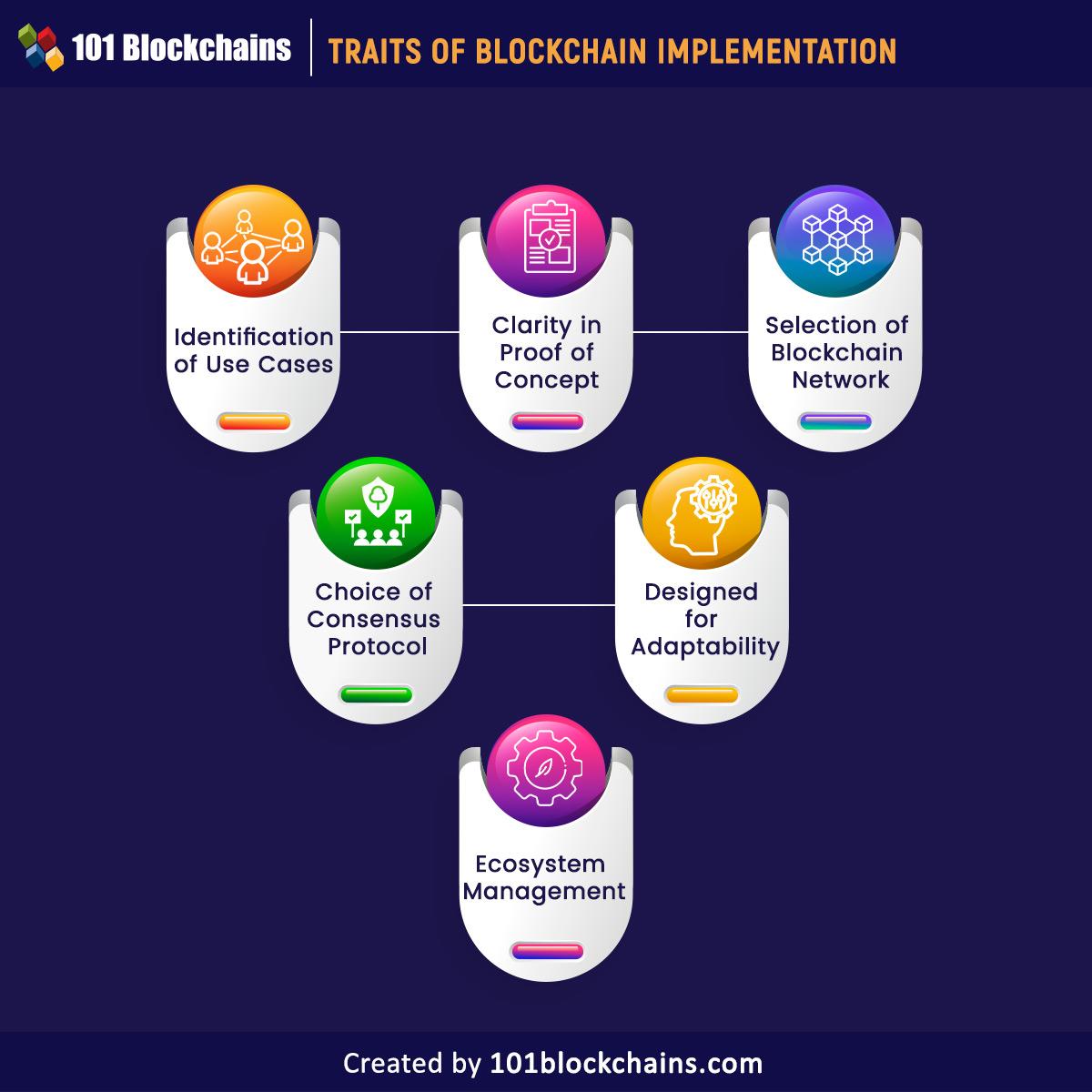
Strategies for Prosperous Blockchain Implementation in Education
To maximize the benefits and overcome challenges, educational leaders should consider the following strategies for blockchain adoption:
1. Identify High-Impact Use Cases
- Start with pain points such as degree verification, transcript management, or continuing education records.
- Pilot blockchain projects in departments most affected by credential fraud or inefficiencies.
2. Invest in Training and Change Management
- Educate key staff about blockchain’s principles, security best practices, and its potential in education.
- Host workshops for students, faculty, and IT personnel to encourage early adoption and feedback.
3. Collaborate with Technology Partners
- Partner with blockchain software providers, ed-tech startups, and established technology firms to leverage expertise and platforms.
- Consider open-source blockchain frameworks for adaptability and cost savings.
4. Prioritize data Privacy and legal Compliance
- Ensure solutions comply with GDPR,FERPA,and other data protection regulations.
- Implement robust consent management and give students control over who accesses their data.
5.Plan for interoperability and Scaling
- Adopt standards that ensure your blockchain solution can connect with other educational institutions and employers globally.
- Use pilot feedback to guide gradual, campus-wide rollouts.
6. Foster a Culture of Transparency and Trust
- Clearly communicate the benefits of blockchain to the academic community.
- Highlight how blockchain strengthens academic reputation, student trust, and institutional competitiveness.
Challenges and How to Overcome Them
While the benefits are substantial, the road to blockchain implementation in education comes with obstacles:
- Integration Complexity: Legacy systems may require significant resources and planning to connect with blockchain.
- Regulatory Uncertainty: Varying laws on digital records, privacy, and data sovereignty across regions demand a careful, compliant approach.
- Scalability: Early blockchain protocols sometimes struggle with high transaction volumes,but recent advances are addressing this concern.
- Change Resistance: As with all institutional changes, clear communication, stakeholder involvement, and transparency are vital for buy-in.
Future Prospects: Blockchain and the Next Generation of Learning
Looking ahead, the role of blockchain in education is set to expand even further. Its power to anchor digital identities, enable smart classrooms, and unlock adaptive learning ecosystems will redefine how students learn and progress throughout their lives. Innovations like decentralized autonomous education (DAE) organizations, blockchain-based peer-to-peer tutoring, and universal learning ledgers are already on the horizon.
Conclusion
Implementing blockchain is not just a technology upgrade—it is a essential shift in how educational institutions manage trust, data, and academic exchange. From securing student records to streamlining administrative processes and empowering learners with lifelong portable credentials, blockchain is poised to transform education for the better.By strategically adopting blockchain solutions, staying informed about regulatory requirements, and collaborating across sectors, educational leaders can set the stage for a more transparent, equitable, and efficient future.
Ready to future-proof your institution?
Explore blockchain solutions tailored for education, partner with experienced providers, and lead your academic community toward a new era of trust and innovation.
Keywords: blockchain in education, blockchain implementation in schools, blockchain technology in educational institutions, benefits of blockchain for education, educational blockchain strategies