
How Implementing Blockchain Transforms Educational Institutions: A Guide to Secure and Smart learning
The digital revolution is reshaping educational landscapes, making secure and smart learning more pivotal than ever. Blockchain technology in education is no longer a futuristic concept; it’s a transformative force redefining how institutions manage data, credentials, and educational experiences. From universities to K-12 schools, blockchain is unlocking new levels of clarity, trust, and efficiency. In this comprehensive guide, we dive deep into how implementing blockchain can lead to secure and smart learning, offering insights, real-world applications, and practical tips for educational institutions eager to stay ahead.
What is Blockchain, and Why does It Matter in Education?
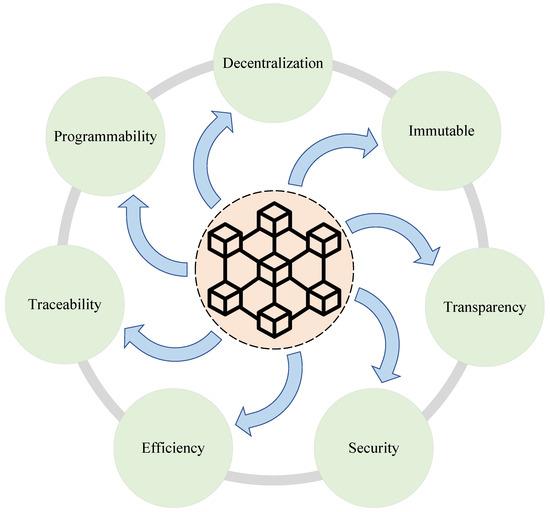
Blockchain is a decentralized, distributed ledger technology that records transactions securely and transparently. In the context of education, this means:
- Immutability: Once entered, records cannot be altered or deleted, ensuring integrity.
- Transparency: All stakeholders can verify data independently, reducing fraud.
- Security: Advanced encryption protects sensitive student and staff data from breaches.
- Efficiency: Automated processes through smart contracts save time and reduce administrative burdens.
Adopting blockchain in educational institutions fosters secure and smart learning by giving students, teachers, and administrators confidence in the reliability, privacy, and portability of academic records.
Key Benefits of Blockchain in Educational Institutions
1. Enhanced Data Security and Privacy
With increasing cyber threats, safeguarding student information is paramount. Blockchain’s encryption and immutable structures make unauthorized data manipulation nearly unfeasible. From transcripts to exam results, sensitive records are securely stored and only accessible to permitted individuals.
2. Simplified credential Verification
Blockchain eliminates the longstanding issue of fake degrees and forged certificates. Institutions can issue tamper-proof diplomas and digital badges on the blockchain, streamlining verification processes for employers and othre schools worldwide.
3. Streamlined Administrative Processes
Smart contracts automate various administrative tasks, from student registration to tuition payment tracking, reducing paperwork and saving resources.
4.Student Ownership of Academic Records
Students can control and share their academic achievements seamlessly, fostering lifelong learning and global mobility.
5. Boosted Trust and Transparency
All transactions are recorded on an open ledger, accessible by key stakeholders, thereby promoting accountability, transparency, and trust in institutional processes.
Did you know? According to a 2023 IBM study, over 62% of educational organizations identified data integrity as their primary concern—making blockchain a perfect solution.
Top Use Cases: Blockchain in Action Across Education
- Transcript Management: Instantly verify academic records and prevent fraudulent claims.
- Digital Certificates: Issue secure,universally-accepted digital diplomas and badges.
- Intellectual Property Protection: Safeguard educational resources, research papers, and digital content against plagiarism.
- attendance Tracking: Use blockchain-powered systems to automate and verify student attendance.
- Credit Transfers: Facilitate seamless credit transfer between partner institutions, locally and abroad.
- Identity Authentication: Improve security for online exams and remote learning with instant, tamper-proof student identification.
Implementation guide: Practical Tips for Integrating Blockchain
-
Assess Your institution’s Needs:
Identify the most pressing pain points—credential fraud, cumbersome workflows, or data privacy—and prioritize them.
-
Consult with Blockchain Experts:
Work with technology partners or consultants with experience in deploying blockchain solutions for education.
-
Start with a Pilot Project:
Implement blockchain for a specific use case, such as issuing digital certificates to a graduating class, before wider rollout.
-
Train Staff & Educate Stakeholders:
Host workshops and training sessions on blockchain basics to ensure everyone understands the process and benefits.
-
evaluate and Scale:
Regularly review pilot outcomes, collect feedback, and expand successful blockchain solutions across other administrative and academic processes.
Case Studies: Blockchain’s Impact on Leading Institutions
MIT: Blockchain-Based Diplomas
The Massachusetts Institute of Technology (MIT) pioneered blockchain-based digital diplomas in 2017, allowing graduates to securely access, share, and verify credentials anywhere in the world. this eliminated wait times and administrative hurdles while increasing alumni satisfaction and employability.
University of Nicosia: Blockchain-Powered Courses
The University of Nicosia in Cyprus was among the first globally to offer blockchain courses certified and managed on the blockchain. Their initiative not only fostered trust in digital credentials but also attracted international talent seeking innovation-driven education.
Sony global Education: Secure cloud-Based Student Records
Sony Global Education partnered with IBM to develop a blockchain platform for securely storing and managing student test results, increasing transparency and accessibility for educators, parents, and students alike.
Challenges and How to Overcome Them
-
Integration with Legacy Systems:
Challenge: Existing infrastructures may not seamlessly interface with blockchain platforms.
Solution: choose modular blockchain solutions and integrate via APIs to minimize disruption.
-
Regulatory Compliance:
challenge: Regulations regarding data protection and privacy can complicate adoption.
Solution: Partner with legal advisors, adhere to GDPR and FERPA, and select blockchain providers familiar with educational compliance standards.
-
Cost and Resource Allocation:
Challenge: Blockchain implementation may involve upfront investment.
Solution: Start small with pilot projects, leverage public or consortium blockchains, and seek grants for innovative educational technologies.
First-Hand experiences: Voices from the Field
“Issuing diplomas on the blockchain has saved our registrars countless hours and transformed the student experience. Employers now trust our credentials without hesitation.”
– Registrar, European University
“With blockchain-backed attendance and grading, our remote classes have become more transparent and efficient. Parents and students appreciate the enhanced accountability.”
– Teacher, Tokyo International School
Conclusion: The Future of Secure and Smart Learning
The integration of blockchain technology into educational institutions is far more than a trend—it’s a paradigm shift toward secure, trust-centered, and highly efficient learning ecosystems. By embracing blockchain, schools and universities not only protect sensitive data but also empower students and staff with unprecedented control over educational journeys.
Now is the time for institutions to explore, pilot, and implement blockchain solutions that future-proof their operations and create compelling, future-ready learning experiences. The path to secure and smart learning starts with a single, strategic step—let blockchain lead the way.