
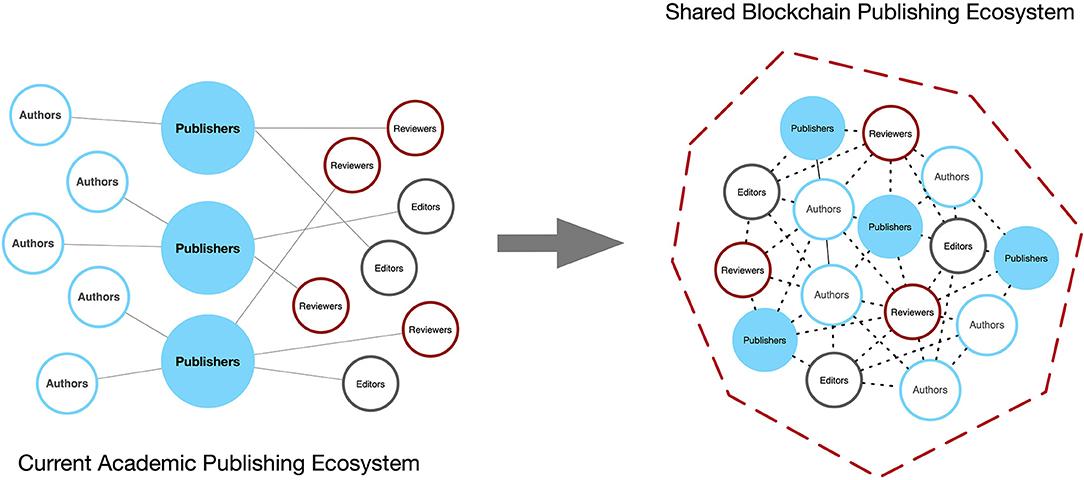
How Implementing Blockchain Transforms educational Institutions: Benefits & Practical Strategies
In today’s rapidly evolving digital landscape,educational institutions are seeking innovative solutions to enhance openness,improve security,and streamline administrative processes. One of the most groundbreaking technologies making waves in the academic sphere is blockchain. By harnessing the power of blockchain in education, schools, colleges, and universities are revolutionizing the way they store data, verify credentials, and foster trust among students, faculty, and employers. In this comprehensive guide, we’ll explore how implementing blockchain transforms educational institutions, the key benefits it delivers, and practical strategies for triumphant integration.
Table of Contents
- Understanding Blockchain in Education
- Key Benefits of Implementing Blockchain in Educational Institutions
- Case Studies: Real-World Blockchain Adoption in Education
- Practical Strategies for Implementing Blockchain in Educational Institutions
- Overcoming Challenges and key Considerations
- Conclusion
Understanding Blockchain in Education
Blockchain technology is a decentralized, immutable digital ledger that securely records transactions and data across a peer-to-peer network. In the context of education, blockchain can be leveraged to:
- Securely store and verify academic credentials
- Enhance transparency of student records
- Automate administrative processes and certification
- Prevent document fraud and data manipulation
By digitizing educational assets and operations on a blockchain, institutions can streamline workflows, improve collaboration, and instill greater trust in their processes among all stakeholders.
Key Benefits of Implementing Blockchain in Educational Institutions
The integration of blockchain in education delivers a multitude of advantages for students, educators, administrators, and employers. Here’s how educational institutions benefit from blockchain adoption:
1. Enhanced Data security and Privacy
- Immutability: Blockchain records are tamper-proof, reducing the risk of data breaches and unauthorized alterations.
- Privacy controls: Data can be shared securely with authorized parties, complying with regulations like GDPR.
2. Credential Verification and Authenticity
- Automated verification: Employers and institutions can instantly authenticate diplomas, certificates, and transcripts on the blockchain.
- Reduced fraud: Blockchain eliminates fake degrees and falsified records by providing verifiable digital credentials.
3. Streamlined administrative Operations
- Smart contracts can automate admissions, grading, and scholarship disbursement processes.
- Minimizes paperwork, reduces manual errors, and saves administrative costs.
4. Empowering Students with Ownership of Records
- Students have perpetual access and control over their learning achievements and qualifications.
- Easy transfer of academic credits across institutions and borders.
5. Encouraging Lifelong learning and Micro-Credentials
- Blockchain enables the issuance and tracking of micro-credentials, badges, and certificates for lifelong learning.
- Recognition of skills beyond conventional degrees through verified credentials.
6. Facilitating Collaboration and Global Recognition
-
Easier cross-border recognition of qualifications, supporting international student mobility.
-
collaborative projects between multiple institutions can be managed with transparency.
Case Studies: Real-World blockchain Adoption in Education
Numerous leading institutions are already realizing the potential of blockchain in education. Here are inspiring examples of successful blockchain implementation:
1. Massachusetts Institute of Technology (MIT)
- MIT pioneered digital diplomas on the blockchain, enabling graduates to share verifiable versions of their degree certificates with employers.
- This has dramatically reduced verification times and eliminated fake credentials.
2. university of Nicosia,Cyprus
- The first university worldwide to issue academic certificates permanently recorded on the blockchain.
- Students enjoy instant access to degrees, which can be automatically authenticated by third-parties.
3. Sony Global Education
- In collaboration with IBM, Sony launched a blockchain-based platform for securely managing and sharing student records across multiple institutions.
- This initiative enhances interoperability and streamlines the transfer of credits internationally.
Practical Strategies for Implementing Blockchain in Educational Institutions
To embrace the benefits of blockchain in education, institutions should adopt a practical, phased approach. Here’s a step-by-step strategy for successful blockchain integration:
-
Identify Key Areas for blockchain Adoption
- Focus on high-impact use cases like credentialing, payments, or student records management.
-
Assemble a Cross-Functional Implementation Team
- Include IT professionals, academic staff, legal advisors, and external blockchain experts to ensure holistic planning.
-
Select the Right Blockchain Platform
- Evaluate platforms such as Ethereum, hyperledger, or private consortium blockchains tailored for educational purposes.
-
Develop and Test pilot Projects
- Start with small-scale pilots (e.g., digital diplomas) to validate technical feasibility and user acceptance.
-
Ensure Regulatory and Data Compliance
- Align blockchain solutions with local, regional, and international regulations (such as GDPR, FERPA).
-
Educate Stakeholders and Build Awareness
- Conduct training and workshops for students, faculty, and administrators to foster adoption and digital literacy.
-
Measure Impact and Scale Gradually
- Assess the outcomes of pilot programs, gather feedback, and plan for broader implementation based on initial results.
Tip: Partner with leading edtech providers and blockchain-focused organizations to leverage best practices and minimize risks during the implementation process.
Overcoming Challenges and Key Considerations
While blockchain offers transformative potential, educational institutions should plan for the following challenges:
- Cost and Infrastructure: Initial setup costs and technical infrastructure investments can be significant, though they may be offset by long-term efficiency savings.
- Interoperability: Ensuring compatibility between legacy systems and new blockchain solutions is crucial for seamless integration.
- User Adoption: Success depends on the willingness of students, staff, and employers to embrace new digital processes.
- regulatory Uncertainty: Stay updated on evolving laws and compliance standards for data sovereignty, privacy, and digital identity.
Addressing these considerations early paves the way for a smoother transition and maximizes the benefits of blockchain in the education sector.
Conclusion
As educational institutions worldwide strive to modernize and build future-ready ecosystems, implementing blockchain technology stands out as a game changer. By ensuring trust, transparency, and security, blockchain in education can streamline operations, empower students, and foster global collaborations. The integration of blockchain is not just an upgrade—it is a strategic conversion that enhances academic integrity and future-proofs institutions against evolving challenges.
To begin your journey, start small, enlist the right expertise, and focus on outcomes that drive long-term value. Embrace blockchain for education, and position your institution at the forefront of digital innovation in academia.